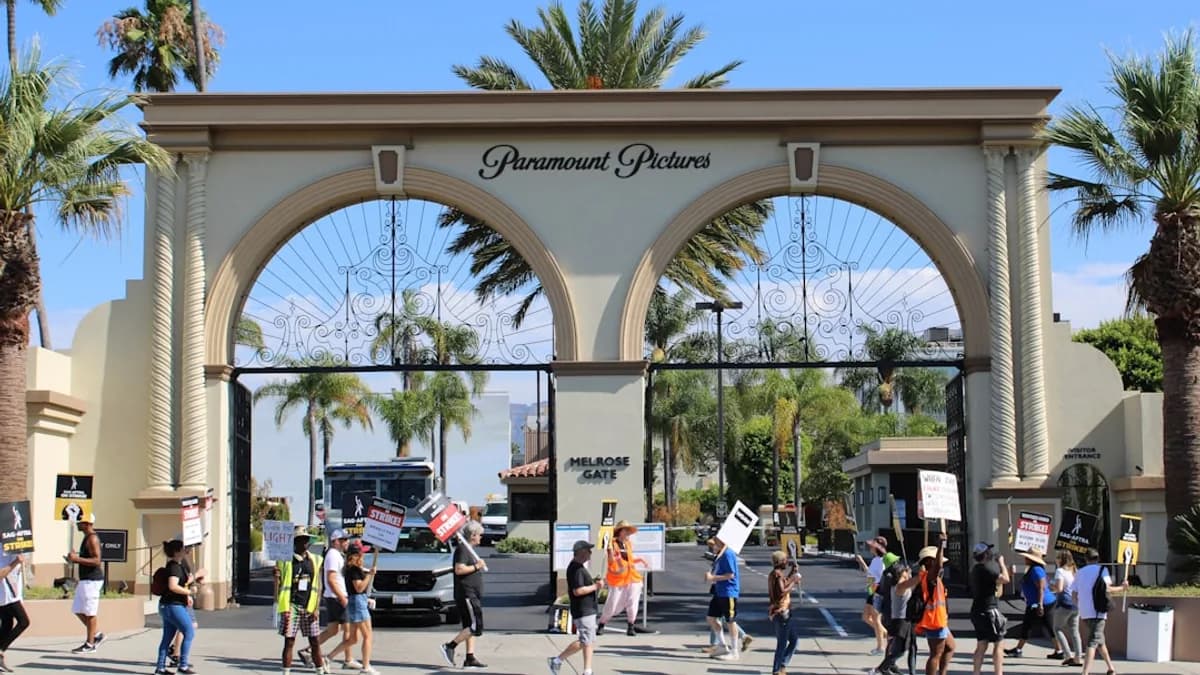
Introduction: The Paramount-Warner Bros Deal and Hollywood’s Response
The proposed merger between Paramount Global and Warner Bros. Discovery has sent shockwaves through the entertainment industry. In an unprecedented display of unity, over 1,000 prominent Hollywood figures—including actors, directors, writers, and producers—have signed an open letter expressing “unequivocal opposition” to the deal [Source: Source]. Their collective protest, publicized through major outlets, reflects deep concerns about the merger’s potential to reshape the industry in ways that could stifle creativity and competition. This level of pushback is rare, signaling just how high the stakes are for the future of Hollywood. As the entertainment world stands at a crossroads, the industry’s most influential voices are urging regulators and the public to consider the far-reaching consequences of further consolidation.
Understanding the Stakes: Why Hollywood is Concerned
At the heart of Hollywood’s protest is a fear that the Paramount-Warner Bros. merger could dramatically alter the creative ecosystem. Consolidation on this scale threatens to concentrate decision-making power within an even smaller group of executives, potentially narrowing the diversity of stories that reach audiences. With fewer major studios controlling an ever-larger share of content production and distribution, there is a real risk that unique and unconventional projects could be sidelined in favor of safer, high-revenue franchises.
The dominance of a combined Paramount-Warner Bros. entity could also have a chilling effect on creative freedom. When fewer gatekeepers control both the green-lighting and the distribution pipelines, the appetite for risk diminishes. This can lead to more homogenized content, as studios prioritize proven formulas over fresh voices and innovative ideas. For audiences, this means less variety and fewer chances to experience stories from different perspectives.
Furthermore, industry consolidation has historically made life more difficult for smaller studios and independent filmmakers. When giants like Paramount and Warner Bros. merge, they wield greater bargaining power with theaters, streaming platforms, and international distributors. This can edge out independent competitors, reducing opportunities for up-and-coming talent to break through. The open letter’s signatories—many of whom began their careers on the fringes of the industry—understand that such consolidation could lock out the next generation of storytellers [Source: Source].
The Power of Collective Action in Hollywood
The fact that over 1,000 industry heavyweights have united in opposition to this deal is remarkable in itself. Hollywood is not a monolith; it is a patchwork of competing interests, egos, and perspectives. Achieving consensus on any issue is challenging, but the merger has galvanized a rare sense of solidarity. This open letter is more than a symbolic gesture; it is a strategic move designed to influence both public opinion and regulatory scrutiny.
Historically, collective action in Hollywood has occasionally led to transformative outcomes. The writers’ and actors’ strikes of the past, for example, reshaped industry standards on compensation and creative rights. By speaking with one voice, Hollywood’s creative community can apply pressure not only on the studios involved but also on policymakers tasked with safeguarding the public interest. Whether this latest show of unity will sway regulators remains to be seen, but it has already succeeded in putting the issues front and center in the national conversation [Source: Source].
Regulatory Challenges and the UK Competition Probe
The Paramount-Warner Bros. merger faces significant regulatory hurdles, both in the United States and abroad. Notably, the deal is expected to attract close scrutiny from the UK’s competition authorities, who are tasked with preventing anticompetitive practices in the media landscape [Source: Source]. A formal investigation could delay or even derail the merger, depending on the findings.
Regulatory bodies play a crucial role in shaping the future of media consolidation. Their reviews often extend beyond simple market share calculations, considering the broader impact on consumer choice, content diversity, and industry innovation. The outcome of the UK probe—and any subsequent regulatory actions in other jurisdictions—could set important precedents for how future entertainment industry mergers are evaluated and approved.
Globally, the trend toward media consolidation has sparked debate about the balance between efficiency and diversity. While proponents argue that mergers enable studios to compete with tech giants and invest in premium content, critics warn that unchecked consolidation erodes the competitive landscape, undermines smaller players, and limits opportunities for diverse voices. The Paramount-Warner Bros. case may become a test for how regulators respond to these competing pressures in an evolving media environment.
Opinion: Why Protecting Competition and Creativity Matters
The entertainment industry thrives on competition and creative risk-taking. When multiple studios vie for audiences’ attention, they are incentivized to take chances on new voices, original stories, and bold artistic visions. This competitive dynamic has fueled Hollywood’s most innovative and memorable moments. If the industry consolidates further—reducing the number of major players—there is a tangible risk that this creative ferment will be replaced by cautious, formulaic content.
Homogenization is not a distant threat; it is already visible in the proliferation of sequels, reboots, and franchise-driven projects. While these can be lucrative, they rarely serve as vehicles for groundbreaking storytelling or diverse perspectives. The Paramount-Warner Bros. merger, if approved, would further tip the scales toward this model, making it even harder for original and unconventional projects to find support.
Moreover, the barriers facing independent filmmakers would only grow steeper. As mega-studios consolidate control over distribution channels and exhibition venues, smaller projects risk being squeezed out of theaters and streaming platforms alike. This not only harms creators but also impoverishes audiences, who are deprived of a wider array of stories and viewpoints.
Regulators must take a vigilant approach, recognizing that the health of the entertainment ecosystem depends on more than just economic efficiency. Cultural diversity, creative risk-taking, and opportunities for emerging talent are all at stake. By standing against the Paramount-Warner Bros. merger, Hollywood’s creative community is making a strong case for preserving the competitive spirit that has long been the industry’s engine of innovation.
Conclusion: The Future of Hollywood Hinges on This Moment
The open letter signed by over 1,000 Hollywood figures is a clarion call for regulators and the public to reconsider the wisdom of further industry consolidation. Their concerns—about diminished creativity, reduced competition, and the marginalization of new voices—are not just theoretical; they are grounded in the lived experience of those who have made Hollywood what it is today.
As regulatory bodies in the UK and beyond weigh the merits and risks of the Paramount-Warner Bros. merger, the choices they make will reverberate far beyond the boardrooms of two media giants. The future of Hollywood—its ability to innovate, to surprise, and to reflect the full diversity of human experience—depends on decisions being made right now. All stakeholders, from policymakers to audiences, must prioritize creativity and competition if Hollywood is to remain a vibrant and vital part of our cultural landscape.