Introduction: The Paramount-Warner Bros. Deal and Hollywood's Response
The proposed merger between Paramount Global and Warner Bros. Discovery marks a potential seismic shift in the entertainment industry, promising to reshape the landscape of Hollywood as we know it. Such a union would unite two storied studios with vast libraries, global distribution networks, and considerable influence over what audiences watch. However, this deal has sparked an extraordinary backlash from Hollywood’s creative community, with over 1,000 prominent actors, writers, directors, and producers signing an open letter expressing “unequivocal opposition” to the merger [Source: Source].
This collective action is unprecedented in both its scale and intensity. The open letter, signed by some of the industry’s most respected names, signals a deep anxiety about the future of creativity, diversity, and fair competition in entertainment. As regulators and executives weigh the merits of the deal, it is crucial to understand the motivations behind this opposition and the far-reaching implications for the industry and its audiences.
The Concerns Behind Hollywood’s Opposition
At the heart of Hollywood’s protest are concerns about the dangers of unchecked consolidation. Many signatories argue that a Paramount-Warner Bros. merger would create an entertainment behemoth with outsized control over what gets made, how it’s distributed, and who gets to participate. This concentration of power raises fears of monopolistic practices, where a handful of gatekeepers could dictate market terms, stifle competition, and limit opportunities for both established and emerging talent [Source: Source].
Creative freedom, long the lifeblood of Hollywood, is perceived to be at risk. When fewer companies control more of the market, the scope for diverse storytelling shrinks. Decision-making can become risk-averse, prioritizing proven franchises and mainstream appeal at the expense of originality and marginalized voices. Independent productions and smaller studios, already facing daunting odds, could be further sidelined. The open letter specifically warns that this merger could “reduce the range of stories told and the storytellers who tell them,” encapsulating broader fears about homogeneity and loss of artistic innovation [Source: Source].
Job security is another significant worry. Past industry consolidations have often led to layoffs, as overlapping divisions and redundant positions are slashed to cut costs. Writers, actors, crew members, and other professionals are understandably anxious about their livelihoods. Moreover, the bargaining power of talent and smaller studios could erode if a merged entity controls a disproportionate share of the market. With fewer buyers and platforms, negotiating leverage shifts toward the corporations, potentially leading to less favorable terms for creative workers and reduced investment in new projects.
Underlying all these concerns is an apprehension about the long-term vitality of the industry. Hollywood’s strength has always rested on a dynamic ecosystem—one that balances commercial imperatives with creative risk-taking. Many fear that further concentration will upset this delicate equilibrium, making it harder for fresh voices to break through and for audiences to enjoy a rich variety of content.
The Broader Implications for the Entertainment Industry
The Paramount-Warner Bros. deal is not occurring in a vacuum; it is part of a decades-long trend of media consolidation. From Disney’s acquisitions of Marvel, Lucasfilm, and 21st Century Fox to Comcast’s purchase of NBCUniversal, the industry has witnessed waves of mergers designed to achieve scale in an increasingly competitive landscape. Historically, such consolidations have often resulted in fewer, bigger players controlling more of what the public consumes [Source: Source].
For consumers, this can have mixed consequences. On one hand, mergers can create efficiencies, giving companies the resources to invest in higher-quality productions and innovative technology. On the other hand, they risk reducing content variety and driving up prices. When choices narrow, audiences may find fewer distinct voices and stories on their screens, and subscription costs for streaming services could rise as competition dwindles.
The ongoing “streaming wars” add another layer of complexity. The battle for subscribers among Netflix, Disney+, Amazon Prime Video, and others has already put pressure on studios to stockpile content and expand globally. A Paramount-Warner Bros. union would create a formidable player capable of challenging the current leaders, but it might also prompt further consolidation as competitors seek to keep pace. This could trigger a domino effect, leading to even fewer independent studios and an industry dominated by a handful of mega-corporations.
There is also the question of how such a merger would affect the creative marketplace. With more content under one corporate roof, executives may prioritize cross-promotion and franchise-building over nurturing original ideas. This risks homogenizing output and sidelining projects that don’t fit into a blockbuster formula. The cumulative effect could be a less vibrant, less diverse entertainment landscape—one that reflects corporate strategy more than creative ambition.
The Power and Influence of Hollywood Talent in Industry Decisions
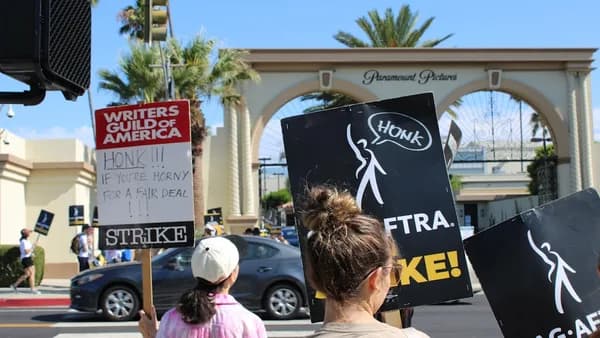
The sheer scale of Hollywood’s opposition to the Paramount-Warner Bros. merger is remarkable. That over 1,000 industry heavyweights—including A-list actors, Oscar-winning directors, and influential producers—have joined forces signals a collective recognition that their voices matter in shaping the industry’s future [Source: Source]. This is not merely an internal debate among executives and shareholders; it is a public reckoning over what kind of Hollywood will emerge from this era of consolidation.
Talent activism has proven influential in the past. The #MeToo movement, for example, reshaped industry norms and forced studios to adopt new policies around harassment and equity. High-profile advocacy around diversity and inclusion has led to concrete changes in hiring practices and on-screen representation. In some cases, public campaigns have even prompted regulators to scrutinize or block deals that might have otherwise sailed through.
By uniting in opposition, Hollywood’s creative community sends a clear message to corporate leaders and policymakers: industry decisions must account for the broader ecosystem, not just short-term shareholder value. Such public stands can galvanize regulatory scrutiny, as antitrust authorities weigh the potential impact on competition, jobs, and cultural diversity. They also remind the public that entertainment is not just a business, but a cultural force with real-world implications for creativity and expression.
Editorial Perspective: Why the Opposition Matters and What It Signals
The concerns raised by Hollywood’s creative community should not be dismissed as mere self-interest or resistance to change. On the contrary, their opposition highlights issues that regulators, audiences, and industry leaders ignore at their peril. If the Paramount-Warner Bros. merger proceeds without careful scrutiny, the industry risks trading long-term creative and economic health for short-term gains.
Preserving creative diversity and fair competition must remain core values for an industry that shapes global culture. When market power is concentrated in too few hands, it becomes harder for new voices to emerge and for unconventional ideas to find an audience. This is not just a loss for artists but for society at large, which benefits from a wide range of perspectives and stories. Regulators must consider these broader consequences as they evaluate the deal, weighing not just economic efficiency but also the health and vibrancy of the creative marketplace.
At the same time, the industry must find ways to balance growth ambitions with the need to protect artistic and economic interests. Scale can drive innovation and financial stability, but it should not come at the expense of competition or opportunity. Transparent dealmaking, robust antitrust oversight, and ongoing dialogue with talent are essential to ensuring that Hollywood remains a place where creativity thrives alongside business success.
The open letter from Hollywood’s luminaries is a clarion call for thoughtful stewardship of the industry’s future. Their collective action signals that the people who create the stories we cherish are not willing to cede control of their craft to corporate consolidation without a fight. In an era where content shapes culture and identity, that is a stance worth taking seriously.
Conclusion: Looking Ahead to the Future of Hollywood and Media Consolidation
The groundswell of opposition to the Paramount-Warner Bros. deal encapsulates deep-seated anxieties about the future of Hollywood amid relentless media consolidation. As more power concentrates in fewer hands, the stakes for creativity, competition, and cultural diversity have never been higher. This debate is not just about one merger, but about the direction of an entire industry and its role in society.
As regulators, executives, and audiences grapple with these issues, it is imperative that all stakeholders—especially the creative community—have a seat at the table. Only through open dialogue and rigorous oversight can Hollywood chart a path that preserves its vitality and ensures that the stories of tomorrow are as bold, diverse, and imaginative as those of its storied past.