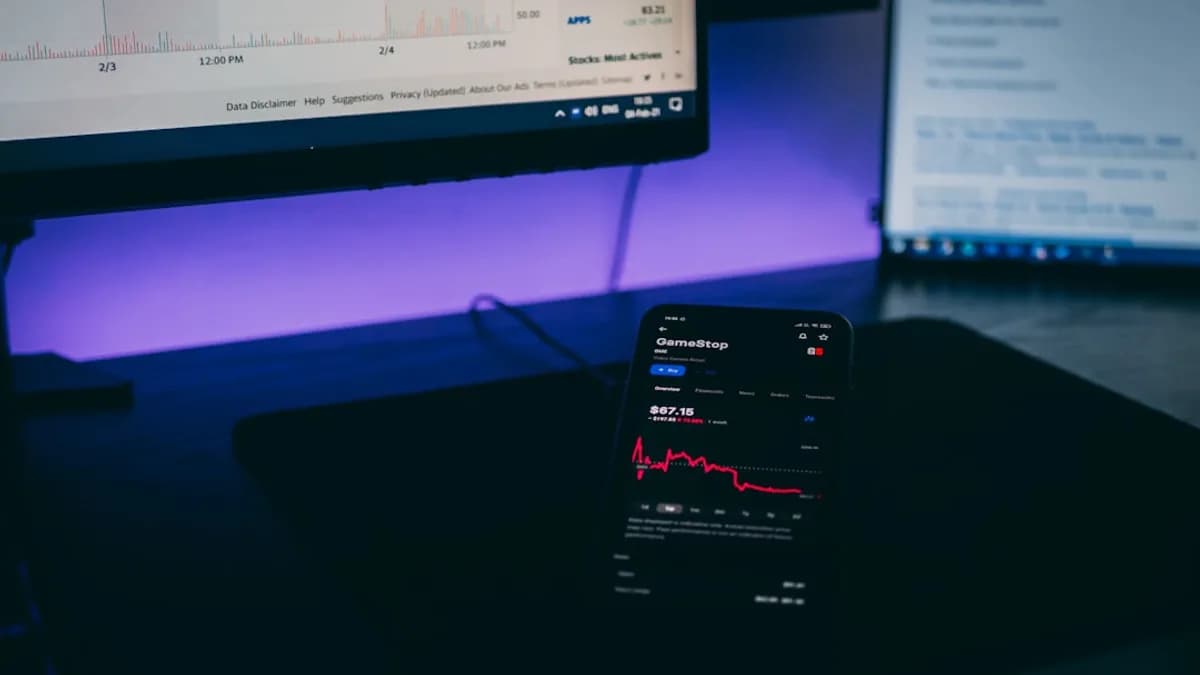
GameStop CEO Faces Scrutiny Over $56 Billion eBay Acquisition Financing
GameStop’s $56 billion offer to buy eBay rattled the Street, but CEO Ryan Cohen’s inability to clarify how he’d fund the deal sent shares sliding. Pressed by analysts in a Wednesday call, Cohen dodged specifics on debt, equity, or external partners, fueling doubts over whether the video game retailer can actually pull off the industry’s most audacious takeover this year, according to Yahoo Finance.
The company announced its all-cash bid late Tuesday, blindsiding investors and eBay’s board. Within hours, GameStop stock dropped 17% in after-hours trading, while eBay shares spiked 9% on buyout speculation. Cohen’s comments did little to calm nerves. “We have multiple financing options on the table,” he said, declining to elaborate. That vagueness left analysts questioning if this was a serious bid or a headline grab.
The timeline is aggressive: GameStop wants an answer from eBay’s board by the end of the month. But with no clear financing structure and a market cap under $10 billion, the math simply doesn’t add up. Investors punished the uncertainty, dumping GameStop as skepticism mounted across Wall Street.
Implications of Financing Ambiguities on GameStop's Market Position and Stakeholders
The unexplained financing casts a long shadow over GameStop’s credibility. Shares closed down 14% Wednesday, wiping nearly $1.2 billion in market value. Trading volume quadrupled the daily average as short sellers piled in. For a company still recovering from meme-stock volatility and a struggling retail core, the bid’s financing gap reignites old doubts about management’s long-term vision.
Analysts aren’t mincing words. “It’s hard to imagine GameStop convincing lenders or equity markets to back a $56 billion cash bid,” noted one senior M&A strategist at Jefferies. Most point to the company’s weak cash flow—just $250 million last year—and lack of hard assets to collateralize. The gap between ambition and balance sheet is cavernous.
eBay’s market cap hovers near $30 billion. GameStop’s offer, at nearly double, suggests a premium far above historical tech-retail deals. eBay shareholders welcomed the pop, but analysts flagged the risk of a failed transaction dragging eBay's price back down. The bid also reignited M&A chatter across a tech sector where mega-deals have stalled under regulatory scrutiny and higher interest rates.
If GameStop can’t spell out a plausible financing plan soon, expect both companies’ boards to face pressure from activist investors and institutions to clarify paths forward—or walk away.
Next Steps for GameStop’s Acquisition Attempt and What Investors Should Watch
GameStop has set a tight deadline for eBay’s response: June 30. In parallel, the company must convince both its own board and potential financiers that it can raise the necessary capital. With its junk-credit rating and limited cash reserves, GameStop’s options are thin. Private equity, strategic partners, or a massive secondary share offering could plug some gaps, but each comes with dilution or control risks.
Regulators will also scrutinize the deal. Antitrust hawks at the FTC and DOJ have blocked or delayed several large retail-tech deals since 2022. Even if financing materializes, approval is far from certain—especially with eBay’s dominant position in online auctions and GameStop’s own e-commerce ambitions.
Investors should watch for three signals in the coming weeks: any SEC filings revealing details on financing partners; board statements from eBay confirming or rejecting the bid; and share price volatility, especially in GameStop options markets. If financing details remain opaque past July, expect activist shareholders to demand changes at the top—or an outright withdrawal.
If the bid collapses, GameStop risks a further share price rout and long-term damage to management credibility. eBay, on the other hand, could face renewed pressure to find its own buyer—or announce new capital returns to placate investors burned by takeover whiplash.
Bottom line: Until Cohen proves he has the cash—or a credible plan—this deal remains a moonshot. And both companies’ fates hang in the balance.
The Bottom Line
- GameStop’s unclear financing for a massive acquisition raises serious doubts about management credibility.
- The bid triggered sharp volatility, wiping out $1.2 billion in GameStop’s value while boosting eBay shares.
- Analysts question whether GameStop can realistically secure the resources to close a $56 billion deal.