GameStop Proposes $56 Billion Acquisition to Take Over eBay
GameStop stunned Wall Street Monday by launching a $56 billion cash-and-stock bid to acquire eBay, signaling CEO Ryan Cohen’s intent to turn the legacy marketplace into a direct threat to Amazon. The offer landed without warning—eBay confirmed it had “no discussions with or outreach from GameStop” prior to receiving the proposal, and said its board will “carefully review” the unsolicited approach, according to The Verge.
Cohen isn’t hiding his ambition: he told the Wall Street Journal he wants to transform eBay into a “legit competitor to Amazon,” using GameStop as the launchpad. The deal would be funded in part by $9.4 billion from GameStop’s own balance sheet, up to $20 billion in debt financing from TD Securities, and a mix of third-party capital. But GameStop’s filing left a gaping question: how the company plans to cover the remaining $26 billion-plus needed to close.
Shockwaves hit both companies’ shares in pre-market trading, with eBay stock jumping 12% and GameStop slipping 7% on concerns over financing and strategic fit. Investors and analysts immediately questioned whether a struggling specialty retailer can swallow a marketplace eleven times its size.
Implications of GameStop’s Ambitious Bid for the Online Marketplace Landscape
If GameStop pulls this off, the e-commerce hierarchy could shift overnight. Amazon commands roughly 38% of U.S. e-commerce sales, with eBay trailing at around 4.7% according to eMarketer. Combining GameStop’s cult retail brand and eBay’s marketplace could give the new entity the scale and infrastructure to finally challenge Amazon’s supremacy—if Cohen’s execution matches his bravado.
This bid marks a radical pivot for GameStop, which has spent the past decade shrinking its brick-and-mortar gaming footprint. Under Cohen, the board has scrapped underperforming stores, flirted with NFT marketplaces, and chased digital transformation—none of which have closed the gap with e-commerce titans. Acquiring eBay would vault GameStop from meme stock sideshow to the center of American online retail, but it’s a swing that carries enormous risks.
Regulatory scrutiny looms as another obstacle. A $56 billion tie-up would likely attract attention from the FTC, especially as Washington grows more hostile to Big Tech consolidation. Financing isn’t a foregone conclusion either: with only $9.4 billion in cash and a market cap under $7 billion, GameStop will need to convince lenders—and possibly the public markets—to back a deal more than eight times its own size.
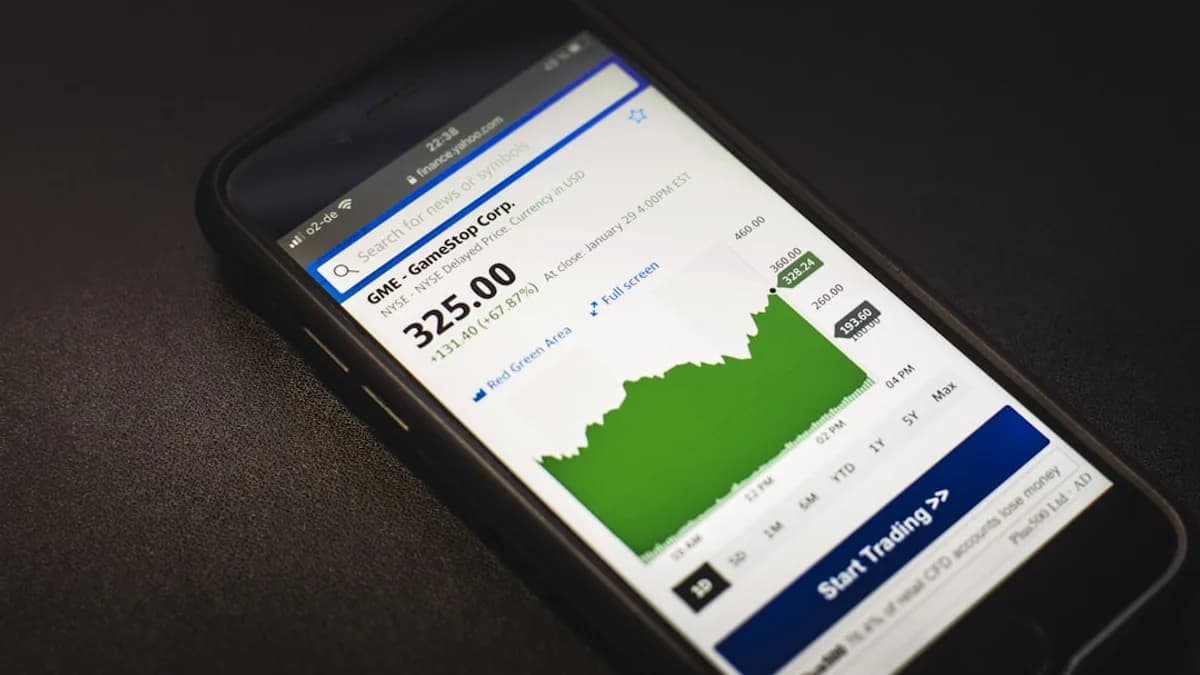
Investors are already skeptical. GameStop traded below $25 per share before the bid, a far cry from its meme-driven peaks above $400 in 2021. Analysts warn that any sign of overreach or financing shortfalls could spark a selloff, while eBay’s board faces pressure to extract maximum value or seek white-knight alternatives.
What to Expect Next in the GameStop-eBay Acquisition Saga
All eyes now turn to eBay’s board, which must weigh the credibility of GameStop’s offer and decide whether to open the books or stonewall the bid. The review could last weeks, as directors gauge not just the financial terms but Cohen’s strategic plan and ability to line up the missing billions. Hostile takeovers rarely play out smoothly—expect eBay to demand proof of financing, and rival bidders or activist investors to sniff for opportunity.
GameStop, meanwhile, has to deliver concrete commitments from lenders and possibly raise equity without tanking its own stock. Shareholder votes could become a battleground, especially if GameStop’s investor base—famous for its retail-driven volatility—loses confidence in Cohen’s vision. Any sign of hesitation from TD Securities or other financiers could kill momentum fast.
Industry insiders are watching for counteroffers, joint ventures, or aggressive defensive moves from eBay. The prospect of a GameStop-eBay juggernaut could also nudge Amazon, Walmart, or Alibaba off the sidelines, spurring a new wave of dealmaking in e-commerce and retail tech.
The next month will set the tone not just for these two companies but for the sector’s M&A appetite in a high-rate, uncertain market. If Cohen pulls it off, the deal could redraw the online marketplace map overnight. If it collapses, expect shareholders and rivals alike to demand a hard reset on ambition—and strategy.
The Bottom Line
- GameStop’s $56 billion bid for eBay could reshape the e-commerce landscape overnight.
- The deal raises major questions about financing and whether GameStop can compete with giants like Amazon.
- A successful merger would create a new challenger to Amazon’s dominance in U.S. online retail.