GameStop Proposes $56 Billion Acquisition of eBay Amid Financial Struggles
GameStop stunned markets Tuesday with a $56 billion offer to acquire eBay—despite shrinking sales, hundreds of store closures, and a market cap that barely cracks $5 billion. The company pitched the all-cash deal as a bold play to reinvent itself, promising to transform from a battered retailer into a top-tier e-commerce heavyweight, according to Ars Technica.
The math is staggering: eBay’s current market cap hovers near $44 billion, while GameStop’s revenue has cratered from $8.3 billion in 2021 to under $4 billion last year. Over the past 24 months, GameStop has shuttered more than 400 stores. The company’s liquidity is thin—its last quarterly filing showed under $900 million in cash. Executives refused to detail financing plans, sidestepping analyst questions with vague talk of “strategic alternatives” and “potential partners.”
The timing is eyebrow-raising. GameStop’s core business faces relentless pressure from digital downloads and big-box competitors. eBay, by contrast, has stabilized after a turbulent decade, generating consistent profits and cash flow. With this bid, GameStop isn’t just punching above its weight—it’s swinging at a company more than eight times its size.
Market Reacts to GameStop’s Ambitious Bid and Unclear Financing Strategy
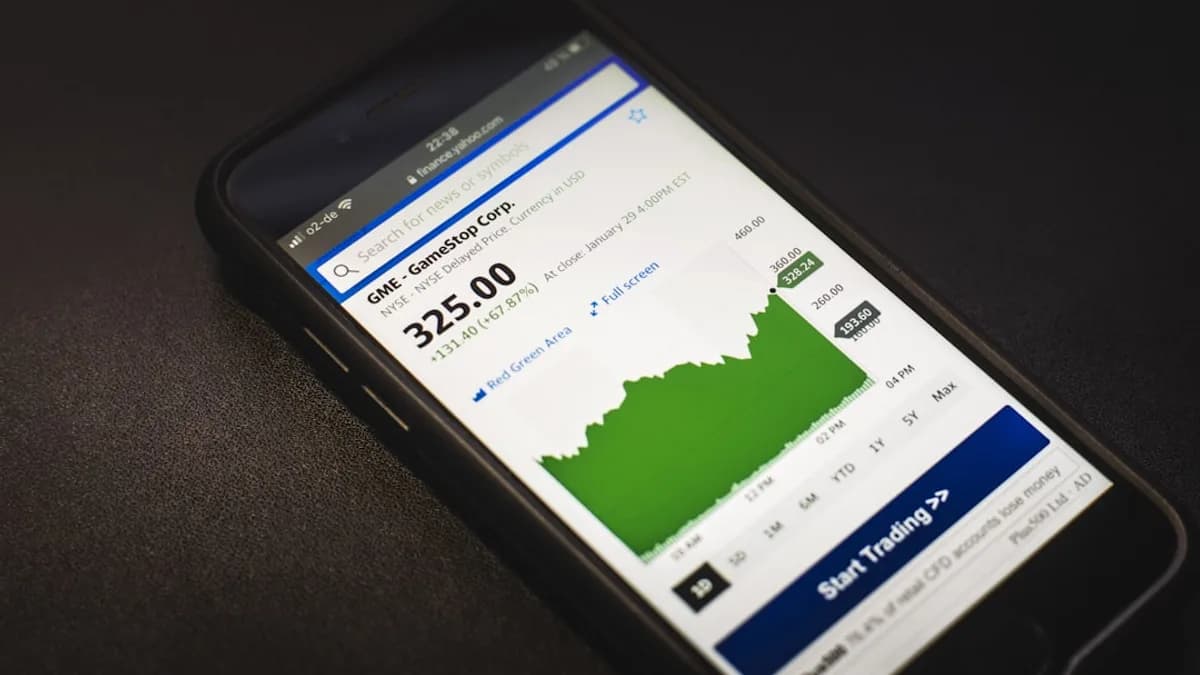
Wall Street recoiled. GameStop shares plunged 18% in after-hours trading, erasing nearly $900 million in value within minutes. eBay stock jumped 7%, reflecting skepticism that the deal will close—and optimism that any counterbid would come at a premium.
Analysts dismissed the offer as a “Hail Mary,” comparing it to Kodak’s failed crypto pivot or Sears’ doomed attempts at digital reinvention. “There’s zero chance GameStop can fund this out of pocket—or even with debt,” said a Jefferies retail analyst. The company’s junk-rated bonds already yield above 12%, and its EBITDA has been negative for three straight quarters.
Investors dissected the numbers: to pay $56 billion in cash, GameStop would need to raise more than ten times its current market cap. Even with a massive stock issuance, any acquirer would demand heavy dilution. The last time a company tried to buy a peer this far out of its league—SoftBank’s $32 billion ARM acquisition in 2016—it had a far stronger balance sheet and access to deep-pocketed sovereign funds.
For eBay, the offer is a distraction that could spark a bidding war or force management to publicly defend its strategy. Hedge funds holding eBay shares may push for a sale or breakup, betting that the interest could unlock value.
What’s Next for GameStop and eBay: Key Developments to Watch
eBay’s board is expected to reject the offer outright, barring an unexpected financing breakthrough. Insiders say management views GameStop’s bid as unserious, designed more to spark headlines than serious negotiations. Shareholders will likely demand to see firm commitments—bank letters, equity partners, or regulatory roadmaps—before treating any revised bid as real.
GameStop’s options are limited. Raising $56 billion through debt is off the table, given its junk status and cash burn. Private equity could play a role, but buyout giants like Apollo or Blackstone rarely back deals without hard assets or reliable cash flow. A strategic partner—perhaps a tech giant seeking e-commerce scale—remains a wildcard, but none have signaled interest.
Regulators would scrutinize the deal, though antitrust hurdles are less daunting than the financing gap. Still, the prospect of a distressed retailer swallowing an established marketplace would invite SEC attention and likely trigger lengthy reviews in the US and EU.
If the deal collapses, GameStop risks further shareholder flight and potential activist campaigns targeting leadership. For eBay, any bid—even a long shot—could pressure management to accelerate buybacks, spin off assets, or explore other M&A.
The broader e-commerce sector is watching for fallout. If GameStop’s gambit sparks real bidding or accelerates industry consolidation, rivals like Etsy, Shopify, and even Amazon could see renewed M&A speculation. If not, this saga will serve as a cautionary tale on the limits of ambition versus financial reality.
The Bottom Line
- GameStop’s bid highlights the extreme measures struggling retailers may take to survive.
- The deal’s financing gap underscores the risks of ambitious M&A without clear financial backing.
- Market reactions show how speculative moves can impact stock prices and investor confidence.