Introduction: Unpacking the Controversy Surrounding FBI Director Kash Patel
When allegations about a top federal official hit the headlines, the ripple effects reach far beyond a single reputation. This week, FBI Director Kash Patel filed a $250 million defamation lawsuit against The Atlantic, claiming the magazine published “false and malicious” reports about his alleged alcohol misuse and unexplained absences from work [Source: Source]. The Atlantic’s reporting asserted that Patel’s conduct was interfering with his ability to lead the nation’s premier law enforcement agency, raising immediate questions about transparency, accountability, and the press’s role in scrutinizing those at the highest levels of public service. The case lands at a fraught moment for public trust in law enforcement and media alike, forcing a national conversation about where the line falls between legitimate oversight and reputational harm. As this legal battle unfolds, its outcome could set new benchmarks for both journalistic responsibility and the standards of leadership expected in federal agencies.
Examining the Allegations: What The Atlantic Reported About Kash Patel
The Atlantic’s investigation painted a stark picture: according to its sources, Kash Patel was frequently absent from FBI headquarters, with the absences allegedly linked to problematic drinking. The report suggested that these behaviors compromised his job performance and raised concerns among colleagues about his fitness to lead [Source: Source]. The timing of the article was noteworthy, coming as the FBI faced mounting scrutiny over its handling of politically sensitive investigations and internal morale. In high-stakes environments like federal law enforcement, even the suggestion of impaired leadership can have profound operational and reputational consequences.
However, a closer look at the evidence presented in The Atlantic’s reporting reveals challenges that often dog investigative journalism. Much of the information appears to rely on anonymous sources, with few verifiable details made public. This leaves readers—and Patel’s legal team—questioning both the credibility and motivations behind the claims. While media outlets sometimes protect the identities of whistleblowers to shield them from retribution, such anonymity can also muddy the waters, especially when personal reputations are at stake. The specifics of what The Atlantic verified versus what remains unsubstantiated will almost certainly come under scrutiny as the lawsuit proceeds.
The Defamation Lawsuit: Legal and Public Relations Implications
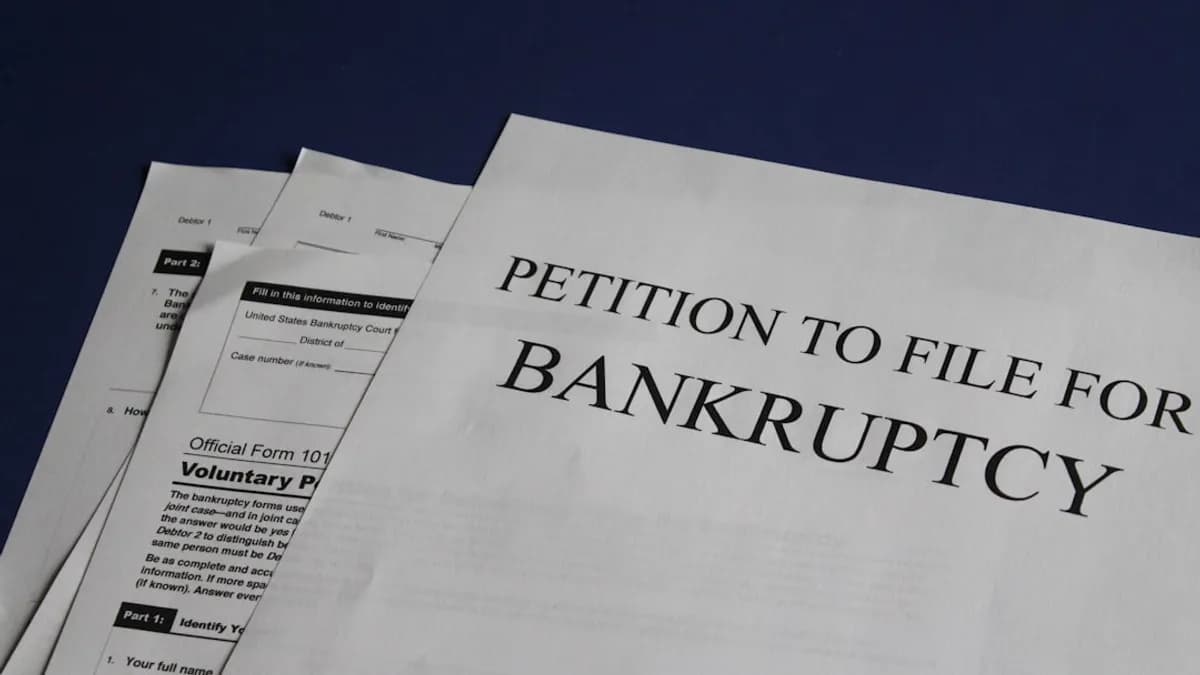
Patel’s response was swift and formidable: a $250 million defamation suit, one of the largest in recent memory for a public official. Legally, the case raises the bar for what Patel must prove. As a public figure, he faces the “actual malice” standard established in New York Times Co. v. Sullivan—meaning he must demonstrate that The Atlantic either knew its claims were false or acted with reckless disregard for the truth. This is a high hurdle, intentionally set to protect robust press freedom, but not insurmountable. Recent high-profile cases, such as the Dominion Voting Systems lawsuit against Fox News, have shown that media organizations can be held accountable for egregious failures in verification and editorial oversight.
Beyond the courtroom, the lawsuit is a public relations battle. For The Atlantic, a loss could undermine its standing as a trusted source of investigative journalism and chill future reporting on government misconduct. For Patel, the suit is a gamble: while it signals a vigorous defense of his character, it also risks prolonging public attention to the allegations and potentially revealing more damaging information if the case goes to discovery. Both sides understand that the stakes extend beyond money—this is about the boundaries of press scrutiny and the reputational capital of America’s most powerful institutions.
Industry experts are watching closely, as the outcome could influence how newsrooms handle stories based on confidential sources. News organizations may become more cautious, instituting more rigorous fact-checking and legal vetting processes, especially when reporting on public officials. Conversely, a legal defeat for Patel could embolden investigative journalists, reinforcing the protections afforded to the press under the First Amendment. Either way, the case could reshape the incentives for both media outlets and public figures navigating the increasingly contentious intersection of law, media, and politics.
The Role of Media in Holding Public Officials Accountable Versus Risks of Misinformation
Investigative journalism has long been a cornerstone of democratic accountability. From Watergate to the Pentagon Papers, the press has exposed abuses of power that might otherwise have remained hidden. But with great power comes great responsibility. When media outlets report on the personal conduct of public officials, especially based on anonymous sources, the risk of error—and the potential for lasting reputational harm—rises sharply.
In the current climate of hyper-partisanship and digital amplification, even a single unverified claim can spiral into a viral scandal, regardless of its factual basis. This dynamic places an extraordinary burden on news organizations to ensure their reporting is both accurate and fair. Transparency about sources, corroborating evidence, and editorial decision-making becomes vital, not only for the integrity of the story but also for public trust in journalism itself.
At the same time, public officials must recognize that their positions come with heightened scrutiny. Attempts to silence or intimidate the press can backfire, fueling perceptions of a cover-up or retaliatory overreach. The healthiest approach is a balance: journalists must rigorously fact-check and contextualize their findings, while officials must respond with openness and a willingness to address legitimate concerns.
For stories involving politically sensitive agencies like the FBI, the margin for error is slimmer still. Misinformation can undermine morale, damage ongoing investigations, and erode the credibility of the entire institution. The stakes are simply too high for sloppy reporting or defensive stonewalling. Ultimately, responsible journalism and responsive leadership are mutually reinforcing pillars of public confidence.
Broader Implications for Public Trust in Federal Law Enforcement Leadership
Controversies like the one embroiling Kash Patel and The Atlantic reverberate far beyond the individuals involved. For the FBI, an institution already under a microscope for its handling of high-profile cases and internal politics, further questions about leadership integrity threaten to deepen public skepticism. Polls have shown declining confidence in federal law enforcement over the past decade, driven in part by politicized leaks and leadership scandals.
When internal disputes spill into public view, they can distract from the agency’s mission and sap the morale of rank-and-file employees. The perception of instability at the top can embolden critics and complicate cooperation with other branches of government. In this environment, clear communication—both internal and external—and robust ethical standards are essential to maintaining credibility.
The Patel case underscores the need for transparency not just from the media, but from the agencies themselves. Proactive disclosure, regular performance audits, and clear accountability mechanisms can help inoculate institutions against the corrosive effects of rumor and innuendo. At a time when trust in government is fragile, these measures are more than just best practices; they are existential imperatives.
Conclusion: Navigating the Complex Intersection of Media, Law, and Leadership Accountability
The lawsuit between Kash Patel and The Atlantic is about more than the reputations of one director or one magazine. It encapsulates the challenges—and the responsibilities—of living in an age where information moves at the speed of the internet and trust in institutions is perpetually contested. As the case winds its way through the courts and the headlines, it should prompt a sober discussion about the standards we expect from both our journalists and our public officials.
A free press is indispensable to democracy, but so is the protection of individual reputations against baseless or careless reporting. The answer is not to muzzle the media, nor to grant public figures blanket immunity from scrutiny, but to demand transparency, rigor, and integrity from all parties. In the end, the health of our democracy depends on it—and so does the future of agencies like the FBI, which rely on public confidence to carry out their vital work. The coming months will reveal not just the merits of Patel’s case, but the evolving rules of engagement between the Fourth Estate and the stewards of public power.