Introduction to Eli Lilly’s Strategic Acquisition of Kelonia Therapeutics
In a move poised to reshape the landscape of cancer therapeutics, Eli Lilly has announced its acquisition of Kelonia Therapeutics, a biotechnology innovator specializing in in vivo CAR-T cell therapies. The deal, valued at up to $7 billion, underscores Lilly’s aggressive push into next-generation oncology treatments and marks one of the sector’s most significant bets on cell therapy to date. Under the agreement, Eli Lilly will pay $3.25 billion upfront, with the remainder tied to future development and commercial milestones—a structure that reflects both the promise and risk inherent in pioneering new modalities [Source: Source]. Kelonia, though not yet a household name, has built a reputation for its cutting-edge work on direct, in-body reprogramming of immune cells to target cancer. This acquisition not only signals Eli Lilly’s confidence in Kelonia’s technology but also its strategic intent to stay at the forefront of oncology innovation amid intensifying competition.
Understanding In Vivo CAR-T Cell Therapies and Their Potential
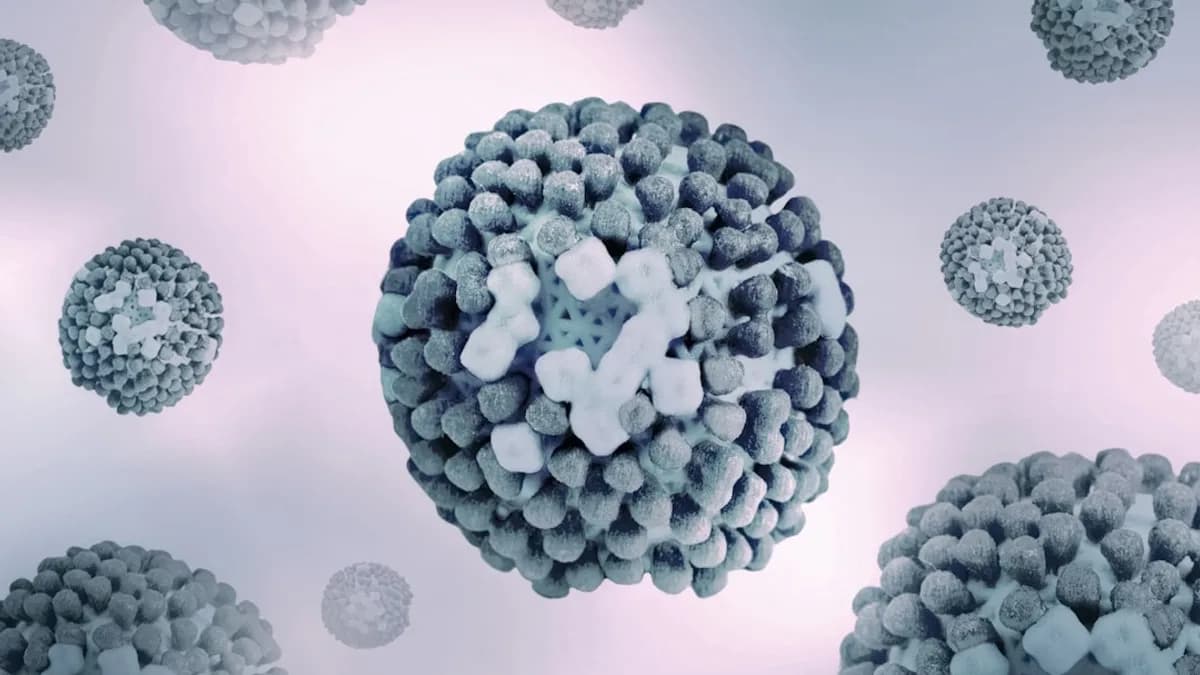
CAR-T cell therapy represents one of the most transformative advances in cancer treatment over the past decade. Traditional CAR-T approaches involve extracting a patient’s T cells, genetically engineering them in a lab to recognize and attack cancer cells, and then infusing them back into the patient—a complex, time-consuming, and expensive process. In vivo CAR-T therapies, in contrast, aim to eliminate these logistical hurdles by delivering genetic instructions directly into the patient’s body, prompting their immune system to generate cancer-fighting CAR-T cells on the spot.
This distinction is more than academic. In vivo methods could dramatically broaden access, reduce costs, and accelerate treatment timelines—an especially meaningful shift for patients with aggressive or late-stage cancers. Kelonia’s proprietary platform uses targeted viral vectors to deliver CAR genes to T cells within the patient, sidestepping the need for labor-intensive cell harvesting and manufacturing [Source: Source]. Early preclinical data suggest this technology could streamline the process while maintaining, or even enhancing, efficacy and safety profiles.
The CAR-T field, however, is not without its challenges. Approved therapies to date, such as Novartis’ Kymriah and Gilead’s Yescarta, have shown remarkable results in certain blood cancers but have struggled with solid tumors and severe side effects like cytokine release syndrome. Manufacturing bottlenecks and high price tags (often exceeding $400,000 per treatment) remain barriers to widespread adoption. In vivo approaches like Kelonia’s promise to address these pain points, but will need to demonstrate clear clinical benefit and scalability to realize their full market potential.
Details and Financial Implications of the $7 Billion Acquisition Deal
The financial contours of the Eli Lilly-Kelonia transaction are noteworthy both for their scale and structure. The initial $3.25 billion cash payment reflects high conviction in Kelonia’s technology, while the additional $3.75 billion in milestone-based payouts introduces a degree of risk-sharing should the pipeline fail to meet developmental or commercial expectations [Source: Source]. This blend of upfront and contingent payments has become standard in high-stakes biotech deals, balancing reward with prudence.
Market reaction has been largely positive, with Eli Lilly’s stock holding steady despite the hefty price tag—a sign investors see strategic value rather than overreach [Source: Source]. Analysts point out that the deal dwarfs many recent oncology acquisitions, such as Gilead’s $4.9 billion purchase of Immunomedics in 2020 or Pfizer’s $43 billion acquisition of Seagen in 2023, though those focused on more mature assets. Lilly’s willingness to pay a premium for platform technology rather than late-stage products signals a shift in big pharma’s appetite for early innovation.
For Eli Lilly, the acquisition could be a game-changer. Its oncology portfolio, while robust, has lacked a marquee presence in cell therapy—a gap this deal squarely addresses. The company’s bet on Kelonia positions it to compete not just with established CAR-T leaders, but with a new wave of biotech startups pushing the boundaries of in vivo gene editing and immune-oncology.
Strategic Benefits for Eli Lilly: Expanding Oncology and Cell Therapy Capabilities
This acquisition aligns seamlessly with Eli Lilly’s long-term strategy to dominate in oncology and next-generation therapeutics. The company has been steadily building its cancer franchise, but until now, it lacked a proprietary cell therapy platform. Kelonia’s in vivo CAR-T technology offers a leapfrog opportunity—allowing Lilly to bypass the logistical and commercial headaches of ex vivo therapies while opening doors to new indications, including solid tumors where current CAR-Ts have struggled.
Potential synergies abound. Eli Lilly’s global scale, regulatory expertise, and commercial reach can accelerate Kelonia’s early-stage assets through clinical trials and, ultimately, to market. Integrating Kelonia’s scientists and technology into Lilly’s R&D engine could unlock faster innovation cycles and enable combination approaches with existing drugs in Lilly’s pipeline.
The integration timeline will be closely watched. Industry observers expect initial clinical trials leveraging Kelonia’s technology to begin within 12-24 months, with pivotal data likely several years away. Still, the acquisition immediately strengthens Lilly’s competitive positioning. In a sector where speed, scalability, and scientific depth are paramount, this move signals that Lilly is willing to invest heavily to stay ahead of rivals such as Novartis, Gilead, and emerging disruptors.
Industry Context: The Growing Importance of CAR-T Therapies in Cancer Treatment
CAR-T therapies have rapidly moved from experimental science to clinical mainstay in hematologic cancers, generating both medical breakthroughs and blockbuster revenues. The global CAR-T market, valued at $2.6 billion in 2022, is projected to reach over $13 billion by 2030 as new indications and technologies drive adoption [Source: Source]. The field, however, is in flux—traditional autologous CAR-Ts are giving way to allogeneic (off-the-shelf) and now in vivo approaches with the potential to democratize access and reduce costs.
The past two years have seen a flurry of activity as big pharma seeks to secure its place in this evolving landscape. Companies like Bristol Myers Squibb, Roche, and AstraZeneca have all struck major deals to acquire or partner with cell and gene therapy innovators. Regulatory agencies, meanwhile, are working to adapt frameworks for these complex therapies, balancing safety with the urgency of unmet patient needs.
Eli Lilly’s acquisition of Kelonia comes at a moment when the industry is pivoting toward more scalable, patient-friendly solutions. In vivo CAR-Ts represent the next frontier—offering not just incremental improvements, but a potential paradigm shift in how cell therapies are delivered and who can benefit. For Lilly, this is a calculated risk, but one that positions it at the vanguard of oncology innovation as the sector barrels toward a more personalized, accessible future.
Conclusion: What Eli Lilly’s Acquisition of Kelonia Means for the Future of Cancer Therapy
Eli Lilly’s $7 billion bet on Kelonia Therapeutics is more than a headline-grabbing acquisition—it’s a strategic move that could redefine the company’s role in oncology and accelerate the broader adoption of in vivo CAR-T therapies. If successful, this deal could pave the way for more scalable, cost-effective, and accessible cancer treatments, especially for patients who currently have limited options. For investors and patients alike, the acquisition is a clear signal that Lilly is doubling down on innovation, even as competition intensifies and the regulatory landscape evolves. As the race to develop next-generation cell therapies heats up, Lilly’s bold move could well set the pace for the industry, heralding a new era in the fight against cancer.