Introduction: Tim Cook’s Historic Tenure and Leadership Transition at Apple
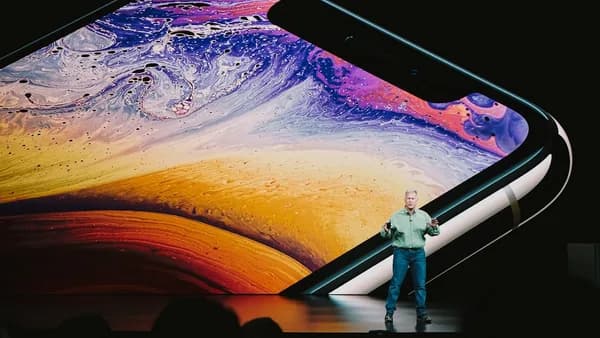
After more than a decade at the helm, Tim Cook has announced his decision to step down as Apple’s Chief Executive Officer, marking the end of a transformative era for the world’s most valuable company. John Ternus, Apple’s Senior Vice President of Hardware Engineering, will succeed Cook as CEO. Cook isn’t leaving entirely—he will transition to the role of Executive Chairman, ensuring continuity at the top as Apple enters a new chapter [Source: Source]. This transition is far more than a routine succession. It comes at a moment when Apple stands at the crossroads of unprecedented technological evolution, particularly in artificial intelligence (AI), and faces intensifying scrutiny from regulators, investors, and rivals alike. The choice of Ternus, an Apple veteran with deep hardware roots, signals both continuity and subtle recalibration as the company prepares for its next leap forward.
Tim Cook’s Legacy: Transforming Apple into a $4 Trillion Powerhouse
Tim Cook’s tenure as CEO began in 2011, following the passing of Apple co-founder Steve Jobs—a daunting succession by any standard. Yet Cook not only stabilized Apple during a period of uncertainty but steered the company to historic heights. Under his leadership, Apple’s market valuation soared from around $350 billion to over $4 trillion, making it the most valuable publicly traded company in history [Source: Source]. Cook’s legacy is defined by a series of strategic choices that broadened Apple’s reach and deepened its customer loyalty.
During Cook’s era, Apple launched a string of blockbuster products—the Apple Watch, AirPods, and multiple generations of the iPhone and iPad—while transforming the Mac from a niche computer into a mainstream powerhouse. Perhaps most significantly, Cook oversaw Apple’s pivot to services, launching Apple Music, Apple TV+, and a robust ecosystem around the App Store and iCloud. This diversification insulated Apple from the cyclical nature of hardware sales and created new, recurring revenue streams.
Cook’s operational mastery was equally pivotal. He leveraged Apple’s supply chain prowess, honed during his years as Chief Operating Officer, to weather global disruptions and deliver products at an unmatched scale and efficiency. This operational discipline drove margins higher—even as Apple invested heavily in sustainability, privacy, and global expansion.
Investor confidence in Cook’s stewardship has been unwavering. The company’s stock price multiplied more than tenfold, buoyed by consistent earnings growth and strategic capital return programs. Cook’s Apple outpaced rivals by marrying hardware, software, and services into a seamless ecosystem—a feat few competitors have managed to replicate. His leadership is often cited as the gold standard for balancing innovation, financial discipline, and social responsibility in the tech sector.
John Ternus: The Right Leader for Apple’s Next Chapter in the AI Era
John Ternus’s ascent to CEO is a testament to his deep expertise and influential role within Apple’s product organization. Having joined Apple in 2001, Ternus steadily rose through the ranks, eventually becoming Senior Vice President of Hardware Engineering. He has overseen the development of critical products, including the iPhone, iPad, and Mac, and was instrumental in Apple’s transition to its own M-series silicon—a move that redefined performance benchmarks in the PC industry [Source: Source].
Ternus is widely regarded as a pragmatic innovator, capable of delivering evolutionary improvements while occasionally championing bold departures—such as the all-new MacBook Pro and the modular Mac Pro. His reputation within Apple is that of a collaborative leader who bridges engineering disciplines, ensuring that hardware, software, and services coalesce seamlessly.
Crucially, Ternus’s appointment comes at a time when AI is rapidly reshaping the technology landscape. Apple, historically cautious about hyped technology trends, now faces mounting pressure to accelerate its AI strategy both in consumer products and behind the scenes. Ternus’s track record suggests he understands the nuances of integrating new technologies without sacrificing Apple’s hallmark focus on user experience and privacy. As the company races to embed AI more deeply in its devices, services, and developer platforms, Ternus’s technical acumen and operational steadiness make him a logical choice to lead Apple through this inflection point.
Industry observers expect Ternus to build on Cook’s foundation while imprinting his own priorities: pushing the envelope in device intelligence, doubling down on custom silicon, and perhaps reimagining product categories in ways that only Apple can. His leadership style is expected to be hands-on and engineering-driven, yet attuned to the broader business imperatives that shape Apple’s future.
Strategic Implications of the Leadership Change for Apple’s Future
Apple’s leadership transition is poised to influence not just internal dynamics but the company’s entire product and innovation roadmap. With Ternus at the helm, industry analysts anticipate a sharper focus on hardware-software integration and the rapid scaling of AI features across the Apple ecosystem. The recent introduction of Apple Intelligence—a suite of AI-powered capabilities for iOS, macOS, and iPadOS—signals where Ternus may concentrate early efforts, seeking to differentiate Apple devices not just through design but through smarter, context-aware experiences.
Cook’s move to Executive Chairman is more than ceremonial. He will likely play an active advisory role, guiding long-term strategy, championing sustainability, and acting as a bridge with key stakeholders, including regulators and global partners. This dual-leadership structure could help Apple balance continuity and innovation—preserving institutional knowledge while empowering Ternus to make bold moves.
Investor sentiment is likely to remain positive, given Ternus’s track record and Cook’s ongoing involvement. However, Apple faces significant challenges: slowing smartphone growth, intensifying antitrust scrutiny, and the need to find its “next big thing.” The company’s cautious approach to generative AI has drawn criticism for lagging behind rivals like Google and Microsoft. Ternus must now accelerate AI integration without compromising Apple’s commitment to privacy—a delicate balancing act with high stakes.
Opportunities abound as well. Apple has a unique advantage in controlling both hardware and software, positioning it to deliver AI features optimized for power efficiency, security, and simplicity. The rumored expansion into mixed reality, health technology, and automotive underscores Apple’s ambitions beyond traditional devices. Ternus’s engineering background may help Apple move faster in these emerging areas, fostering a culture of calculated risk-taking while maintaining the discipline that has underpinned its success.
Ultimately, the leadership change will test Apple’s ability to innovate at scale, fend off competitive threats, and retain the brand loyalty that has made its products cultural touchstones. The company’s ability to navigate regulatory, technological, and market headwinds will define its next decade.
Broader Industry Context: What Apple’s CEO Transition Means for Tech and AI
Apple’s CEO transition echoes similar moments at other tech giants, where leadership changes have often signaled strategic pivots. Consider Microsoft’s handover from Steve Ballmer to Satya Nadella—a move that catalyzed Microsoft’s cloud and AI transformation. Or Google’s transition from Eric Schmidt to Sundar Pichai, which corresponded with a renewed emphasis on machine learning and cloud infrastructure. These examples illustrate how new leadership can realign company priorities and unlock fresh growth [Source: Source].
In the AI era, leadership agility is paramount. The pace of innovation is relentless, and the stakes for getting AI right—ethically, securely, and at scale—are enormous. Apple’s methodical approach to new technologies has served it well, but the company now faces a more crowded, faster-moving field. The Ternus-Cook model may offer Apple a competitive edge: combining veteran oversight with a forward-thinking, engineering-centric mindset.
Apple’s transition also reflects broader trends in corporate governance. More technology firms are adopting dual-leadership structures, with former CEOs stepping into advisory roles to ensure continuity and mentorship. This approach can ease investor concerns about abrupt cultural shifts, while giving new CEOs space to set their own agenda.
For the global tech ecosystem, Apple’s next moves will have ripple effects. The company’s decisions on AI, privacy, and new product categories often set industry benchmarks. Competitors will watch closely to see if Apple’s new leadership accelerates its entry into generative AI, augmented reality, or other frontier technologies. The outcome will shape not just Apple’s trajectory, but the broader direction of consumer technology.
Conclusion: Navigating Apple’s Future with New Leadership and Continued Vision
Tim Cook’s departure as CEO marks the end of an extraordinary era—one that saw Apple cement its dominance in technology and business. John Ternus now inherits the mantle at a pivotal moment, tasked with leading Apple through the complexities of the AI age while sustaining its culture of excellence [Source: Source]. With Cook as Executive Chairman and Ternus as CEO, Apple is betting on a blend of stability and rejuvenation.
The company’s strategic direction remains clear: double down on AI, bolster hardware-software synergy, and explore new frontiers beyond smartphones. Yet the risks are real, and the path ahead will demand both technical mastery and visionary leadership. As Apple adapts to an AI-driven world and rising global challenges, the true measure of its leadership transition will be its ability to deliver the next wave of innovation—while staying true to the values that have made Apple iconic.
For investors, customers, and competitors alike, Apple’s next chapter is one to watch closely. The decisions made in the coming months will not just define Apple’s future—they may well shape the direction of the entire technology sector.