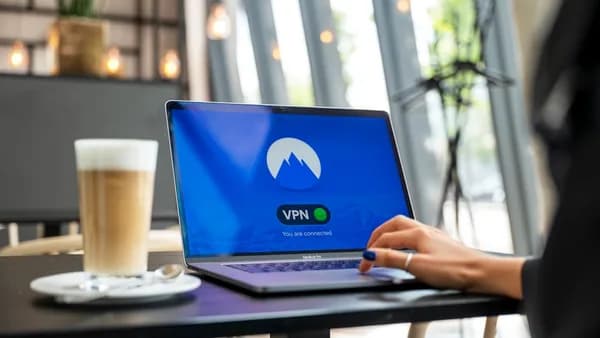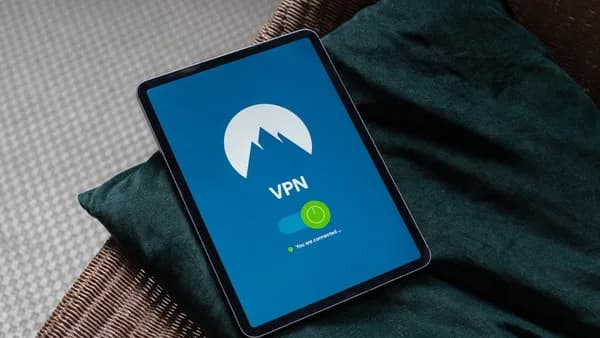
In 2026, securing your online life means more than just having unique passwords or browsing behind a VPN. True privacy comes from layering your defenses—combining a robust password manager with a reliable VPN. This guide delivers a concrete, step-by-step walkthrough to help you setup VPN password manager privacy for maximum protection, grounded in the latest research and real product features. Whether you’re a privacy veteran or just starting out, following these steps will help you lock down your digital footprint against data breaches, hackers, and intrusive surveillance.
Why Combine VPN and Password Manager for Privacy
Today’s threat landscape is more complex than ever. Using a VPN or a password manager alone is a good start, but integrating both delivers exponential gains in privacy and security.
- Password managers protect your credentials by generating, storing, and autofilling strong, unique passwords for each account—removing the risk of password reuse and making mass account compromise nearly impossible (privacysavvy.com).
- VPNs (Virtual Private Networks) encrypt your internet connection, hiding your IP and browsing activity from ISPs, governments, and hackers (privacysavvy.com).
“The integration of Virtual Private Networks (VPNs) with password managers represents a significant advancement in personal cybersecurity. This combination enhances online privacy and security by encrypting internet traffic while securely storing and managing complex passwords.”
— PrivacyEffort
Combining the two tools means:
- Your credentials are safe even if one site is breached.
- Your online activity is shielded from eavesdropping—even on public Wi-Fi.
- You minimize the risk of fragmented security and user error (privacyeffort.com).
Choosing the Right VPN and Password Manager
Not all VPNs and password managers are created equal—especially when privacy is your top priority. Some services bundle both tools in one subscription, offering convenience and a unified interface.
Top Services Offering Both VPN and Password Manager (2026)
| Service | VPN Included | Password Manager Features | Notable Pros/Cons |
|---|---|---|---|
| NordPass/NordVPN | Yes | Unlimited storage, easy navigation | Multi-device, unlimited passwords |
| Dashlane | Yes | VPN, 30-day money-back guarantee | Privacy bundle, easy setup |
| Bitwarden | Yes | Multi-platform, 2FA, free tier | Excellent encryption, free option |
| Bitdefender | Yes | Password strength advisor, protocols | Budget-friendly, strong security |
| Avira | Yes | Simple setup, good security | Lacks password sharing, basic 2FA |
Source: privacysavvy.com
What to Look For
- Zero-knowledge encryption and independent security audits (dev.to).
- Strong MFA support (preferably with security keys like FIDO2/WebAuthn).
- Device sync and offline access for reliable use, even with spotty VPN connections.
- Operational fit: browser extension reliability, mobile autofill, and easy search/edit.
- Data portability: easy export/import in case you switch providers.
- Don’t pick a password manager just because it’s bundled with your VPN—evaluate features and usability independently.
“A solid rule: don’t choose a password manager just because it’s in the same billing portal as your VPN.”
— dev.to
Installing and Configuring Your VPN
Once you’ve selected a service, it’s time to set up your VPN. The process is broadly similar across major providers.
Step-by-Step VPN Installation
- Download the VPN app from the official provider’s website or your device’s app store.
- Install and run the application.
- Log in using your account credentials.
- Choose a server location—for general privacy, select one geographically close for better speed. For region-specific content, pick a server in your desired country.
- Connect—most apps have a big “Connect” button to start the encrypted tunnel.
Example: NordVPN Setup
- Multi-device compatibility: Use on Windows, Mac, Android, iOS, and Linux (privacysavvy.com).
- Unlimited bandwidth and storage: No limits on usage for password storage or VPN data with premium plans.
Setting Up Secure VPN Protocols and Kill Switch
Secure Protocols
Different VPNs offer protocols like OpenVPN, WireGuard, or proprietary options. Use the most secure, audited protocol available in your app’s settings.
- OpenVPN/WireGuard: Both are modern, secure choices (privacysavvy.com).
- Default settings: Most reputable VPNs use secure defaults, but check your provider’s documentation.
Enable Kill Switch
A kill switch blocks all internet traffic if the VPN connection drops, preventing accidental data leaks.
To activate:
- Open your VPN app’s settings.
- Find the “Kill Switch” or “Network Lock” feature.
- Toggle it ON.
“Weak VPN connections and random disconnects at the wrong moment are a digital minefield. A kill switch prevents data leaks if your connection drops.”
— PrivacyEffort
Installing and Configuring Your Password Manager
With your VPN running, move on to your password manager setup. This ensures the initial sync and vault creation happen over an encrypted connection.
Password Manager Setup Steps
- Download and install the app or browser extension from the official source.
- Create a master password: Make it long, unique, and memorable—it’s the only one you’ll need to remember.
- Enable multi-factor authentication (MFA): Choose the strongest option available (security key > TOTP > SMS).
- Configure device sync: Allow vault access on all your devices (phone, laptop, tablet).
Example: Bitwarden Setup
- Multi-platform: Available on all major operating systems and browsers.
- 2FA support: Options for TOTP and security keys.
- Free tier: Core features available at no cost.
Importing and Organizing Passwords Securely
Importing Existing Passwords
Most managers allow you to import passwords from browsers, CSV files, or other managers.
- Export old data: From your browser or previous manager.
- Use the import function in your new manager.
- Verify each entry: Make sure no credentials are missing or duplicated.
Organizing for Security
- Folders or tags: Group logins by category (work, personal, banking).
- Audit for duplicates or weak passwords: Most managers offer password health checks.
- Rotate reused or weak passwords: Use the built-in generator; see below for a manual (offline) method:
import secrets
import string
alphabet = string.ascii_letters + string.digits + "!@#$%^&*()-_=+[]{};:,.? "
def new_password(length=24):
    return "".join(secrets.choice(alphabet) for _ in range(length))
print(new_password())
Source: dev.to
Best Practices for Using Both Tools Together
Seamless Workflow
- Always enable your VPN before entering sensitive credentials.
- Autofill with care: Only on trusted sites; double-check URLs.
- Use separate, unique passwords for every account.
- Sync across devices: Keep vaults up-to-date, especially when traveling or switching hardware.
Avoiding Common Pitfalls
- Don’t turn off your VPN to fix password manager sync issues: Choose tools that work well together.
- Enable breach monitoring: Use your manager’s alerts for exposed logins (supplementary to unique passwords).
- Share passwords securely: Use built-in sharing features, not chat or email.
| Pitfall | Solution |
|---|---|
| Password reuse | Always generate unique passwords |
| VPN drops connection | Use kill switch, choose reliable provider |
| Sync issues | Use managers with robust device sync |
| Integration friction | Test workflow before committing |
Testing Your Setup for Privacy Leaks
No setup is complete without rigorous testing.
How to Test Your Privacy Tools
- VPN Leak Test: Use online tools to check for DNS, IP, and WebRTC leaks (search for “VPN leak test”).
- Password Manager Audit: Run built-in security checks for weak/reused passwords.
- MFA Test: Attempt logins from new devices to verify 2FA prompts.
- Autofill Test: Ensure browser extensions and mobile autofill work reliably with your VPN connected.
“If a product is ‘secure’ but you hate using it, you’ll bypass it—and bypass is the enemy.”
— dev.to
Maintaining and Updating Your Security Tools
Keep Everything Up to Date
- Enable automatic updates for both VPN and password manager apps.
- Regularly review security settings: Look for new features or protocols.
- Rotate master password periodically: Especially after any breach alerts.
Backup and Recovery
- Backup your vault: Use encrypted export options if supported.
- Store recovery codes: For both your password manager and VPN accounts, in a secure location.
Conclusion: Staying Protected in 2026 and Beyond
Combining a VPN with a password manager remains the gold standard for personal privacy in 2026. This setup, when properly configured and maintained, shields you from the majority of common online threats—data interception, password reuse, phishing, and account takeover.
“With this combo, you’ll be protecting yourself on two fronts…from cyberattacks and data breaches, and safeguarding your privacy from surveillance and unreliable ISPs.”
— privacysavvy.com
Stay vigilant: review your setup periodically, test for leaks, and keep your software up to date. The investment in a streamlined, layered security stack pays off every time you log in or browse the web with peace of mind.
FAQ
Q1: Do I need both a VPN and a password manager for privacy?
A1: While not strictly required, using both together significantly enhances your security and privacy. A VPN encrypts your network traffic, while a password manager ensures all your accounts have strong, unique credentials (privacysavvy.com).
Q2: Are bundled VPN and password manager services as secure as standalone options?
A2: Bundled services can offer convenience, but always evaluate features, usability, and audit transparency independently. Don’t choose a password manager just because it’s bundled with your VPN (dev.to).
Q3: What’s the most important security feature for a password manager?
A3: Zero-knowledge encryption, strong MFA support, reliable device sync, and regular independent security audits are key (dev.to).
Q4: How do I test if my VPN is protecting my privacy?
A4: Use online VPN leak test tools to check for DNS, IP, and WebRTC leaks while connected (privacysavvy.com).
Q5: Can I use free versions of these tools?
A5: Some password managers like Bitwarden offer robust free versions, but advanced features (like VPN or premium security options) may require a subscription (privacysavvy.com).
Q6: What should I do if my password manager or VPN is not syncing?
A6: First, ensure both tools are updated. Sync issues can occur if your VPN blocks certain connections; choose tools known for compatibility and test thoroughly (privacyeffort.com).
Bottom Line
Setting up a VPN and password manager for privacy in 2026 is no longer just for tech experts—it’s a critical step for anyone valuing digital safety. Choose reputable, audited tools with strong security fundamentals, configure them carefully, and test your setup. Most importantly, use both tools consistently as part of your daily routine. This layered approach is your best defense against evolving cyber threats, keeping your credentials and your online activity private—where they belong.