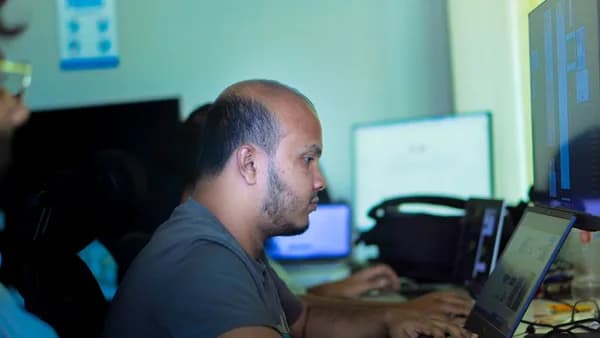
The shift to remote work has revolutionized the way tech professionals build their careers. In 2026, more tech roles than ever are available remotely or in hybrid forms, offering flexibility and global opportunities. If you're aiming to build a tech career working remotely, understanding the required skills, optimal setups, and best practices will set you apart in a competitive, evolving landscape.
The Rise of Remote Work in Tech Careers
Remote work is now a defining characteristic of the tech industry. According to data from Built In's Best Remote Tech Jobs 2026, top tech employers such as Airwallex, Wasabi Technologies, Sprinter Health, Snyk, and General Motors are actively hiring for remote or hybrid positions across the United States and globally. These roles range from Software Engineer (with salaries from $104K-$145K) to Staff Data Scientist and Technical Success Manager (with salaries up to $149K), reflecting both diversity and depth in remote opportunities.
Key insight: “Remote or Hybrid” is now the default for many senior and mid-level tech positions, especially in fields like Artificial Intelligence, Cloud, Fintech, Healthtech, Cybersecurity, and Big Data.
The availability of these roles means that tech professionals can advance their careers from anywhere, provided they have the right skills and mindset. Let’s explore how to leverage this landscape to build a successful tech career while working remotely.
Essential Skills for Remote Tech Professionals
To build a tech career working remotely, you need more than just technical know-how. Employers emphasize a blend of hard and soft skills, as shown in job postings from Built In:
| Job Title | Top Technical Skills | Soft/Remote Skills Highlighted |
|---|---|---|
| Product Director, Financial Markets | AI, Financial Platforms, Payments | Collaboration, Team Leadership |
| Staff Solutions Engineer | Java, JavaScript, PHP, Python, Restful APIs, Ruby | Effective API Integration, Stakeholder Engagement |
| Staff Data Scientist | Python, R, SQL | Cross-functional Collaboration, Insights Delivery |
| Software Engineer (S3) | Go, gRPC, Kubernetes, NATS, REST, Swagger | Scalability Focus, Efficiency, Teamwork |
| Technical Success Manager | Git, Jenkins, JIRA, VS Code | Customer Engagement, Relationship Building |
| Patient Care Coordinator | EHR Systems, Google Workspace, macOS, Slack, Zoom | Patient Communication, Documentation |
Top Hard Skills in Demand
- Programming Languages: Python, Go, Java, JavaScript, PHP, Ruby, R, SQL
- Frameworks & Platforms: Kubernetes, gRPC, RESTful APIs, Swagger, VS Code
- Cloud & DevOps: Cloud storage platforms, Git, Jenkins
- Data Science & AI: Statistical and machine learning models
Critical Soft Skills
- Collaboration: Working across time zones and teams
- Communication: Clear documentation, virtual meetings, stakeholder updates
- Adaptability: Thriving in distributed, asynchronous environments
- Initiative: Proactively driving projects and problem-solving
Expert warning: Employers are increasingly screening for remote collaboration skills, not just technical chops.
Setting Up an Effective Remote Work Environment
A productive remote work environment is essential for both performance and well-being. While the sources do not detail hardware specs, remote job listings on Built In emphasize proficiency with collaboration tools and maintaining secure, efficient workflows.
Core Elements of a Remote Setup
- Collaboration Tools: Slack, Zoom, Google Workspace, macOS, VS Code, Jira
- Secure Access: Employers expect familiarity with secure platforms and good digital hygiene
- Customization: Just as players in BuildNow GG can customize controls and graphics for optimal performance, tech professionals should tailor their digital workspace for comfort and efficiency
Actionable tips:
- Optimize your workspace for video calls and focus work, minimizing distractions.
- Regularly update software and use secure passwords, especially for cloud and data roles.
- Customize your workflow with tools and shortcuts, similar to how BuildNow GG allows full key mapping and settings adjustment for peak performance.
Networking and Building Relationships Virtually
Building relationships is more challenging remotely, but also more crucial. Source data from Built In highlights roles where cross-functional collaboration and stakeholder engagement are essential, such as Product Director and Technical Success Manager.
How to Build Your Remote Network
- Leverage collaboration platforms: Engage actively in Slack channels, Zoom meetings, and project management tools like Jira.
- Attend virtual industry events: Many tech communities and conferences now have remote options.
- Contribute to online communities: Platforms like Build It encourage sharing and collaboration. Sharing your work and insights in relevant online forums can help you connect with peers and mentors.
Pro tip: “Fostering relationships with technical leaders” is a key responsibility in many senior remote roles—be proactive in reaching out and offering value.
Continuous Learning and Certification Opportunities
The tech landscape evolves quickly, so continuous learning is non-negotiable. Built In’s job data shows strong demand for up-to-date skills in AI, DevOps, and Fintech, but does not list specific certification providers or courses. However, it is clear that:
- Certifications in Cloud, AI, or Security can help you stand out, especially for roles involving Kubernetes, REST, or cloud storage.
- Self-directed learning: Like the “Aim Training” mode in BuildNow GG, allocate time to practice and refine skills, whether through online courses or side projects.
Steps to stay current:
- Set aside weekly learning hours—block your calendar as you would for work.
- Pursue role-relevant certifications—look for credentials in the tech stacks mentioned in job listings (e.g., Kubernetes, Python, AI/ML).
- Practice with hands-on projects—use platforms like Build It to showcase and sharpen your abilities.
Time Management and Avoiding Burnout
Remote work offers flexibility, but can blur boundaries between work and home life, risking burnout. Source data from Built In implies expectations for efficiency and documentation, especially in roles such as Patient Care Coordinator or Software Engineer.
Strategies for Managing Time and Energy
- Set clear working hours: Define your start and end times to prevent overwork.
- Prioritize tasks: Use tools like Jira or Google Workspace for effective tracking.
- Take regular breaks: Just as BuildNow GG has distinct game modes and focus areas, structure your day with focused sprints and rest periods.
- Watch for warning signs: If you notice declining productivity or engagement, address it early—burnout can be harder to spot remotely.
Critical warning: Employers value “timely processing” and “exceptional experience”—burnout undermines both.
Leveraging Online Platforms for Job Searching and Freelancing
Finding and landing remote tech jobs is much easier with the right platforms. According to Built In, their job board features hundreds of remote and hybrid roles, with filters by skill, experience, and industry.
| Platform | Features | Notable Job Types |
|---|---|---|
| Built In | Remote/hybrid filters, skill/industry search | Software Engineer, Data Scientist, Product Director |
| Company Careers | Direct application, hybrid/remote options | Various |
| Niche Boards | Often focus on freelance or contract opportunities | Not specified in source |
How to Maximize Your Search
- Filter by “Remote” or “Hybrid”: As seen on Built In, always use these filters to target fully remote roles.
- Tailor your applications: Highlight remote-relevant skills and previous distributed work experience.
- Set job alerts: Platforms like Built In allow you to save searches and get notified of new postings.
Freelancing note: While the sources do not specifically address freelancing, these same platforms often list contract opportunities. Always check the job type and clarify expectations up front.
Showcasing Your Work and Building a Remote Portfolio
Demonstrating your skills is vital when working remotely. While the source data does not mention portfolio platforms by name, lessons can be drawn from Build It and BuildNow GG:
- Share your projects publicly: On Build It, users share their creations using hashtags and community posts. Similarly, tech professionals can share code on GitHub, contribute to open source, or write technical blog posts.
- Customize your “profile”: Just as BuildNow GG allows key mapping and visual customization, ensure your online presence (LinkedIn, portfolio site) reflects your skills and unique value.
- Document your process: Employers value clear documentation—showcase not just finished work, but how you solved problems and collaborated remotely.
Navigating Remote Work Challenges and Solutions
Remote work comes with unique challenges, from communication hurdles to feelings of isolation. Built In’s job descriptions highlight the need for:
- Effective virtual communication (Slack, Zoom)
- Robust documentation and process management (Google Workspace, Jira)
- Proactive engagement with colleagues and stakeholders
Common Challenges & Solutions
| Challenge | Solution |
|---|---|
| Communication gaps | Schedule regular check-ins, use clear written updates |
| Isolation | Join virtual events, be active in chat groups |
| Unclear expectations | Clarify deliverables, use project tracking tools |
| Tech issues | Regularly update and test your setup, use reliable platforms |
Expert insight: The most successful remote professionals are those who “drive innovation and improve user experiences” by actively seeking feedback and adapting quickly.
Conclusion: Long-Term Career Growth Strategies in Remote Tech Roles
Building a tech career working remotely in 2026 means mastering both technical and interpersonal skills, investing in continuous learning, and proactively engaging with the broader tech community. The most in-demand roles—across AI, Cloud, Fintech, Healthtech, and more—require not just coding ability but also collaboration, communication, and adaptability.
Long-term strategies:
- Continuously upskill in emerging technologies and remote collaboration tools
- Document and share your achievements through a robust online portfolio
- Build and nurture your network with regular virtual engagement
- Prioritize well-being and sustainable work habits to avoid burnout
Remote tech careers offer immense flexibility and opportunity for growth—when approached strategically.
FAQ: Building a Tech Career Working Remotely
Q1: What are the most in-demand remote tech roles in 2026?
A: According to Built In, top remote roles include Software Engineer, Product Director, Staff Data Scientist, Technical Success Manager, and various healthtech and fintech positions.
Q2: What core technical skills do I need for remote tech jobs?
A: Skills in Python, Go, Java, JavaScript, PHP, Ruby, R, SQL, and frameworks like Kubernetes, REST, gRPC, and platforms such as Git, Jenkins, VS Code are frequently mentioned in remote job postings.
Q3: How can I stand out to remote tech employers?
A: Beyond technical skills, emphasize remote collaboration, effective communication, and initiative, as these are highlighted in job requirements for senior and mid-level roles.
Q4: What tools should I master for remote tech work?
A: Commonly required tools include Slack, Zoom, Google Workspace, Jira, VS Code, and cloud platforms. Familiarity with these is often a job prerequisite.
Q5: How do I avoid burnout while working remotely?
A: Set boundaries, use project management tools to organize tasks, and take regular breaks. Employers value both productivity and balance.
Q6: How can I network and build relationships remotely?
A: Engage in virtual events, contribute to online communities, and proactively connect with colleagues via collaboration platforms.
Bottom Line
The research shows that to build a tech career working remotely in 2026, professionals must combine cutting-edge technical skills with strong remote collaboration abilities. Top employers are hiring for a wide range of remote roles and value adaptability, continuous learning, and proactive communication. By investing in the right skills, creating a productive work environment, and engaging actively in the virtual tech community, you can advance and thrive in your remote tech career.