What Happened
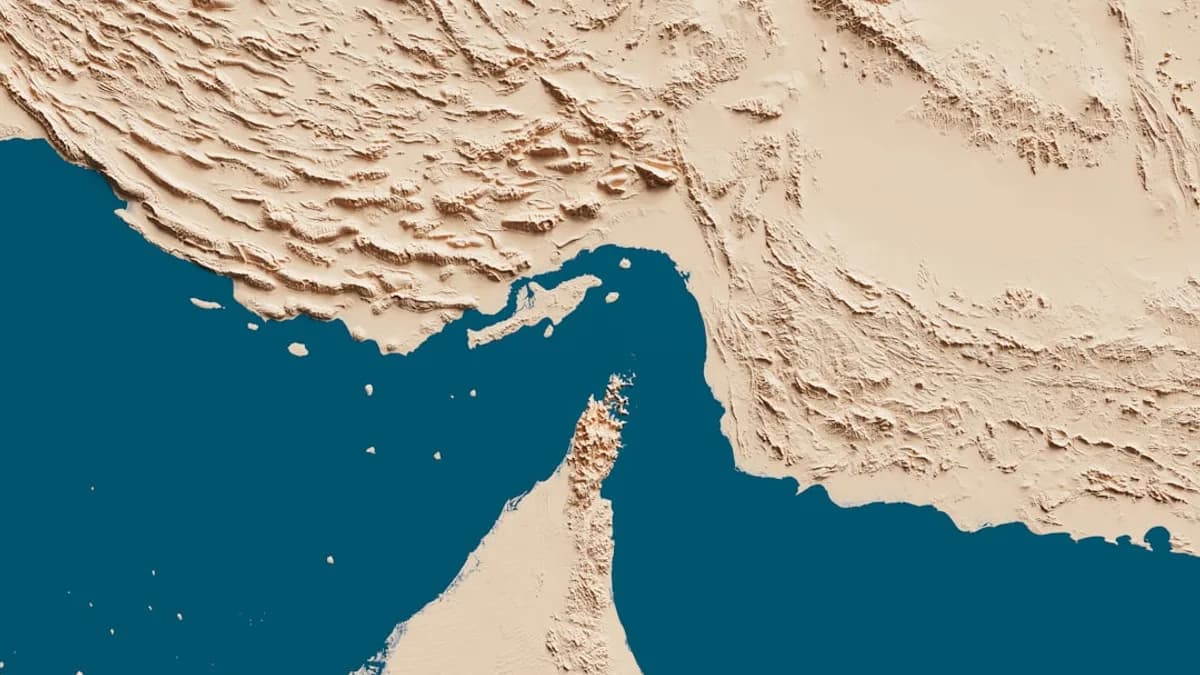
On June 8, 2024, the United States announced its intention to impose a naval blockade on Iranian ports and initiate a partial blockade of the Strait of Hormuz, marking a dramatic escalation following failed peace negotiations between the two countries. President Trump’s administration declared the blockade after talks collapsed, with the U.S. Navy preparing to halt all maritime traffic to and from Iran’s key ports. The move also includes sweeping operations in the Strait of Hormuz—a crucial narrow waterway through which about one-fifth of the world’s oil passes daily [Source: CBS News].
The event unfolded rapidly: first, the U.S. military signaled its readiness to enforce the blockade, then Dow futures plunged by over 500 points amid fears of global economic disruption. Oil prices spiked above $100 per barrel as traders anticipated supply shocks. Iran responded by warning that any U.S. blockade would violate ceasefire agreements and threatened retaliation against ports in the broader Middle East, including those in the Persian Gulf and Sea of Oman [Source: The Guardian, AP News].
This unfolding crisis is not limited to a military standoff. The economic and geopolitical consequences are immediate, with global markets reacting to the threat of disrupted oil shipments, potential military confrontation, and the risk of escalation into wider regional conflict.
Why It Matters
The Strategic Importance of the Strait of Hormuz
The Strait of Hormuz is arguably the most important chokepoint for global energy flows. Approximately 21 million barrels of oil transit daily through this narrow passage, representing around 21% of global petroleum consumption [Source: U.S. Energy Information Administration]. Any disruption threatens to destabilize the energy markets, spike prices, and strain economies worldwide.
A U.S. blockade of Iranian ports is a significant escalation. Historically, the U.S. has relied on economic sanctions and diplomatic pressure, but a naval blockade is tantamount to an act of war under international law, potentially triggering direct military confrontation [Source: WSJ]. Iran has previously threatened to close the Strait of Hormuz in response to sanctions, but the current scenario sees the U.S. preempting such moves and risking open clashes.
Economic Impacts
The immediate aftermath saw Dow futures drop 500 points, reflecting investor anxiety. Oil prices surged above $100/barrel for the first time in years, raising concerns about inflation, supply chain disruptions, and renewed recession risks [Source: CNBC]. The ripple effects will extend to transportation, manufacturing, and consumer goods, as higher energy costs feed into production and logistics.
Financial markets are reacting to both the practical implications—such as restricted oil flow—and the uncertainty surrounding potential military escalation. The risk premium on oil is rising, and safe-haven assets (e.g., gold, U.S. Treasuries) are gaining as investors seek shelter from volatility.
Geopolitical Risks
A blockade risks drawing in regional and international actors. Iran has threatened retaliatory strikes against ports in the Persian Gulf and Sea of Oman, signaling that escalation could spread beyond the immediate U.S.-Iran confrontation [Source: AP News]. U.S. allies in the Gulf, such as Saudi Arabia and the UAE, are exposed to Iranian threats, while global powers like China and Russia—major buyers of Iranian oil—may be compelled to respond.
The move also jeopardizes existing ceasefire agreements and diplomatic efforts, potentially undermining stability across the Middle East. The risk of accidental clashes, mine warfare, or attacks on commercial shipping is rising.
Legal and Humanitarian Concerns
Under international law, blockades are acts of war. The U.S. is risking a breach of UN conventions, raising the prospect of condemnation or countermeasures from the international community. Humanitarian consequences may include restricted access to food, medicine, and essential goods for the Iranian population. The blockade also endangers civilian shipping and could trigger a refugee crisis if port cities face shortages or attacks.
Who's Affected
Global Energy Markets and Consumers
The most immediate impact is on the global oil market. With over 20% of oil passing through the Strait of Hormuz, any disruption affects producers, refiners, and consumers worldwide. Oil-importing countries—especially in Asia (Japan, China, South Korea, India)—face higher costs and supply uncertainties. Energy-intensive industries and transportation sectors will feel the pinch as prices rise.
Financial Markets
Stock markets, particularly those with exposure to oil, energy, and transport, are already reacting. The Dow’s drop underscores how interconnected global finance is with geopolitical stability. Investors in commodities, equities, and bonds are adjusting portfolios to hedge against volatility and potential downside risks.
Middle Eastern States
Regional states are highly exposed. The Gulf Cooperation Council (GCC) countries—Saudi Arabia, UAE, Kuwait, Bahrain, Qatar, Oman—rely on open sea lanes for both oil exports and imports of goods. Iranian threats to retaliate against ports widen the conflict’s scope. Civilian populations in coastal cities face heightened risk of attack, economic hardship, and displacement.
U.S. and Allied Military Forces
Deploying a naval blockade is a major logistical and military undertaking. U.S. forces, as well as allied navies (e.g., UK, France), will be stretched to patrol the vast region, sweep mines, and protect shipping. Personnel face risk from Iranian missile, drone, and mine operations. The likelihood of skirmishes, accidental escalation, or loss of life is rising.
Iranian Population
Iranians will suffer from restricted trade, shortages of essential goods, and economic pain. Ports are vital for imports of food, medicine, and consumer products. The blockade will exacerbate inflation, unemployment, and hardship, potentially fueling domestic unrest.
International Shipping and Logistics
Commercial shipping companies face the risk of attack, delays, higher insurance premiums, and disrupted supply chains. The ripple effects could extend globally, affecting everything from raw materials to finished goods.
Industry Reactions
Oil and Energy Sector
Oil traders and energy companies are scrambling to assess exposure. Futures prices surged as traders locked in supplies and hedged against further instability. Major oil companies with operations in the region—such as Chevron, ExxonMobil, BP—are reviewing contingency plans and adjusting production forecasts [Source: CNBC].
Shipping insurers have declared the Strait of Hormuz a “war zone,” raising premiums and imposing new safety protocols. Some tankers are rerouting or delaying voyages until the situation stabilizes [Source: WSJ].
Financial Markets
Wall Street responded with volatility: the Dow Jones dropped 500 points, then partially recovered as investors processed the news. Analysts warn of ongoing turbulence, with the risk of “contagion” spreading to other asset classes and global markets. Investment banks are advising clients to brace for higher energy costs and inflation [Source: CNBC].
Military and Defense Analysts
Experts note that a naval blockade is a major operational challenge. The U.S. Navy would need to patrol over 2,000 miles of coastline, sweep mines, and monitor hundreds of vessels daily. Iran’s asymmetric capabilities—mines, missile boats, drones—could complicate operations and heighten risk [Source: CNN, Reuters].
Defense contractors are monitoring the situation, anticipating increased demand for naval assets, surveillance, and mine-sweeping technology.
Diplomatic and Political Responses
The United Nations and European Union have called for restraint, urging both sides to return to negotiations. China and Russia, as major buyers of Iranian oil, have criticized the U.S. blockade and indicated support for diplomatic resolution. Gulf states are on high alert, coordinating military and civil defense preparations [Source: The Guardian].
Human rights organizations warn of humanitarian consequences for the Iranian population, urging the U.S. to ensure access to food and medicine.
Predictions & Next Steps
Short-Term Outlook
- Volatility in Oil and Financial Markets: Expect continued turbulence in oil prices, with potential spikes above $120/barrel if hostilities escalate or shipping is disrupted. Stock markets will remain volatile, with safe-haven assets gaining.
- Military Posturing and Skirmishes: The U.S. Navy will deploy additional assets to enforce the blockade. Iran may respond with mine warfare, missile launches, or drone attacks on shipping and coastal targets. Skirmishes are likely, with the risk of accidental escalation.
- Diplomatic Efforts: International actors (UN, EU, China, Russia) will push for de-escalation, likely proposing emergency talks or mediation. Humanitarian corridors may be negotiated to allow essential goods into Iran.
Medium-Term Implications
- Supply Chain Disruptions: Global supply chains will face delays, higher costs, and risk of shortages—especially in energy, manufacturing, and transportation sectors. Insurance premiums for shipping will rise, and some routes may be suspended.
- Regional Instability: If Iran retaliates against ports in the Gulf or Sea of Oman, regional conflict could widen. Neighboring states may be drawn in, and refugee flows could increase.
- Economic Fallout: Higher energy costs will feed into inflation globally, further challenging central banks and consumers.
Long-Term Scenarios
- Negotiated Settlement: Diplomatic pressure may eventually lead to a negotiated settlement, possibly involving partial lifting of sanctions or reduced blockade in exchange for concessions on Iran’s nuclear program or regional activity.
- Prolonged Standoff: If neither side backs down, the blockade could persist for months, causing sustained disruption to oil flows, regional economies, and global markets.
- Escalation to Wider Conflict: Worst-case scenario involves open warfare, with attacks on ports, shipping, and infrastructure across the region, drawing in U.S. allies and potentially wider international involvement.
What to Watch
- U.S. naval deployments and operational updates
- Iranian military responses, including mine-laying and missile tests
- Oil price movements and market volatility
- Diplomatic initiatives from the UN, EU, China, and Russia
- Humanitarian developments in Iranian port cities
Conclusion
The U.S. decision to blockade Iranian ports and the Strait of Hormuz is a high-impact event with profound consequences for global energy, finance, and security. The immediate market reactions underscore the world’s dependence on stable maritime trade and the risks inherent in geopolitical conflict. Stakeholders—from governments to consumers—must brace for continued volatility, potential escalation, and far-reaching ripple effects.
As the crisis develops, the key will be balancing military posturing with diplomatic efforts, ensuring humanitarian access, and maintaining global economic stability. The situation remains fluid and unpredictable, demanding careful monitoring and adaptive strategies from all involved [Source: CNN, WSJ, CNBC, The Guardian].