U.S.–Iran Tanker Clash and Political Maneuvering Drive Search Spikes
Escalating military confrontation between the U.S. and Iran—specifically, American forces firing on two Iran-flagged oil tankers—has surged to the top of trending topics across news and search platforms. Real-time coverage from outlets such as CBS News and The New York Times indicates a sharp uptick in search volume and online discussion, as the incident collides with a high-stakes deadline for Tehran’s formal response to a U.S.-backed peace proposal. The situation’s complexity is amplified by public remarks from U.S. Senator Marco Rubio, who openly stated that Washington expects Iran’s answer within the day.
These triggers have pulled in not just geopolitical analysts but also investors, energy traders, and policy watchers, driving a spike in related terms like “Iran war updates,” “U.S. tanker attack,” and “Tehran peace deal” according to CBS News. The clustering of at least four major news items and the presence of live updates has kept the story at the forefront of algorithmically-driven news feeds.
Military Action, Political Messaging, and a Bottleneck for Oil
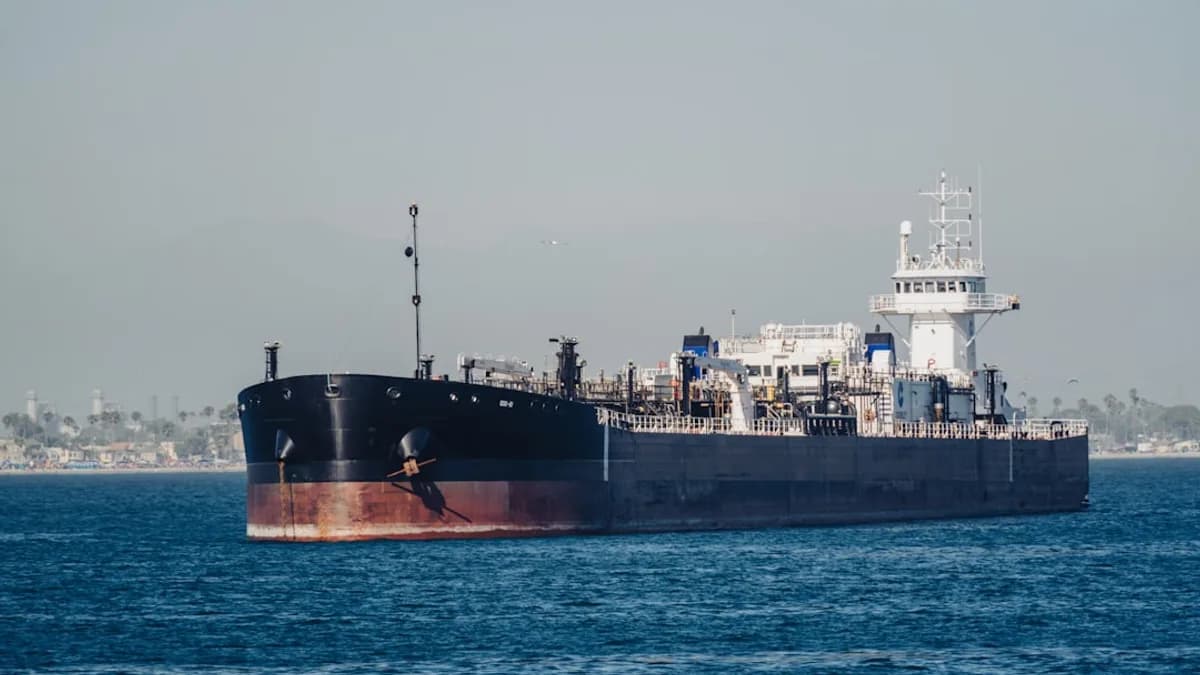
The core development is tactical and symbolic: U.S. forces—including F/A-18 Super Hornets—dropped munitions directly down the smokestacks of Iran-flagged tankers suspected of running a U.S. blockade according to The War Zone. This direct action signals a willingness by Washington to escalate enforcement at sea, marking a departure from prior reticence to use force against commercial vessels—especially with Tehran accusing the U.S. of "reckless" attacks.
The timing is not accidental. The flare-up coincides with a diplomatic bottleneck: the U.S. is awaiting Iran's official response to a peace proposal, with Rubio confirming the administration expects an answer within hours. The U.S. Navy’s action on the tankers, therefore, functions as both a military maneuver and a high-stakes diplomatic signal. Political analysts and energy traders recognize that this level of brinkmanship can disrupt oil supply chains, spike insurance rates for shipping, and rattle regional partners.
Key Players: U.S. Military, Iranian Commanders, and Washington’s Political Class
The most direct actors are the U.S. Navy’s operational units—specifically, the carrier-based F/A-18 squadrons tasked with enforcing the blockade. Tehran’s naval forces have also been engaged, with reports of a “clash” at sea and official statements denouncing U.S. actions as aggressive provocations according to The Times of Israel.
On the political side, Rubio has emerged as a messaging conduit for the administration, amplifying expectations and framing the window for Iranian response. The Pentagon, meanwhile, has not released full operational details, keeping the broader strategic calculus opaque.
Tehran’s top brass have so far responded through state media and diplomatic channels rather than direct escalation, but their rhetoric frames the U.S. action as a deliberate attempt to derail negotiations.
Short-Term Fallout: Energy Markets and Diplomatic Chess
Blockade enforcement and direct attacks on flagged tankers can spike volatility in oil futures, reroute shipping traffic, and prompt rapid risk repricing by global insurers. The decision to strike tankers—rather than more ambiguous targets—raises the cost for Iran to defy the U.S. at sea, but also increases the odds of retaliation or miscalculation.
Diplomatically, the use of force during a negotiation window is a double-edged sword: it can pressure Tehran to respond but risks public blowback if the peace process collapses. The episode has already drawn condemnation from Iranian officials and muted statements from European allies, according to the latest reporting.
What to Track as the Situation Evolves
The next 12 months hinge on two immediate variables: Tehran’s formal response to the U.S. proposal and whether either side escalates or de-escalates naval operations in the Persian Gulf and beyond. Absence of rapid de-escalation could trigger a cycle of retaliatory strikes, disrupting global shipping patterns and energy flows.
Watch for evidence of:
- Official Iranian statements signaling acceptance, rejection, or demands for new terms.
- Additional U.S. or allied military deployments to the region.
- Any shift in tanker traffic, insurance rates, or oil futures pricing in the wake of the incident.
- Statements from third-party actors (Russia, China, EU) that could alter the diplomatic calculus.
If Tehran signals willingness to negotiate or pause maritime operations, the market impact could fade. If either side doubles down, expect sustained volatility and possible policy responses from energy-consuming nations. For now, the facts point to an active and unresolved standoff—one that remains at the mercy of political decision-making in Washington and Tehran as tracked by The New York Times.