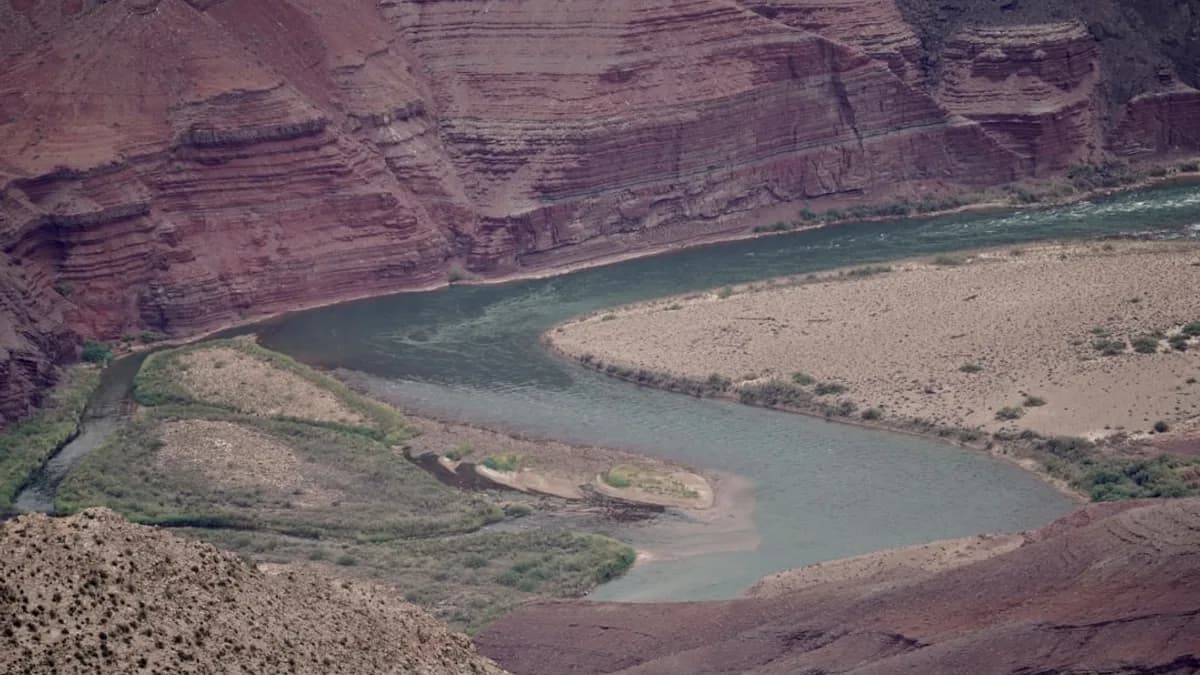
Colorado River Crisis Triggers Policy Scramble in the American Southwest
The Colorado River’s water crisis has re-emerged as a top national story, fueled by a cluster of high-impact moves from southwestern states and headline-grabbing proposals for deeper cuts to water usage. This issue is dominating news cycles, with four major outlets reporting new developments, surging public attention, and policy reaction according to The Washington Post.
The trigger: California, Nevada, and Arizona have announced a temporary plan to curb water withdrawals from the Colorado River, while Arizona leaders are pushing for even deeper reductions to shore up supply. The crisis is not abstract—Lake Powell, a critical reservoir, has been granted only a temporary lifeline, and the impact of these interventions could remain visible for years as Newsweek reports.
Policy Actions and Water Cuts: The Real Magnitude
This summer, the Colorado River crisis is no longer theoretical. California, Nevada, and Arizona have moved from negotiations to policy execution, announcing a temporary plan to reduce withdrawals from the river. Arizona is not satisfied with the status quo—its leaders are advocating for deeper, more permanent cuts to ensure the region’s water supply can withstand ongoing drought conditions as covered by AZ Family.
Lake Powell, a lynchpin for water storage and hydropower generation in the region, has been given a short-term reprieve, but the underlying supply-demand imbalance remains unresolved. These policy interventions signal an admission that even the most optimistic management plans are failing to keep up with persistent aridification and population pressure.
Temporary Fixes, Long-Term Risks
While the current agreement between California, Nevada, and Arizona buys time, the sources repeatedly stress its temporary nature. Water conservation targets are unlikely to be met without more aggressive regulatory and technological solutions. The crisis is not limited to local headlines: national outlets are now treating the American water crisis as a direct, immediate threat to public safety and economic stability according to grist.org.
Power Players and Their Calculus
Three states—California, Nevada, and Arizona—are driving immediate action. Their water agencies and state leaders have negotiated a plan that involves both voluntary and mandatory water use reductions. Arizona’s stance is the most hawkish, with its leadership calling for deeper cuts than those currently on the table. This signals concern that even the new measures will not be enough to stabilize the system.
Lake Powell’s status is a central focus. The federal Bureau of Reclamation, which manages the reservoir, is reacting to record-low water levels by coordinating with state governments on emergency releases—a move that could have ripple effects on downstream users and hydroelectric generation capacity.
The Role of Federal and State Coordination
The crisis response exposes the limits of state-by-state negotiation. Only coordinated, multi-state management—potentially with more federal intervention—can address the scale of systemic shortages. The repeated reference to "temporary" solutions in coverage underscores a lack of durable policy consensus.
Market and Industry Fallout: Water Scarcity as Economic Risk
The direct implication for the Southwest’s economy is clear: water scarcity now carries real, quantifiable risks for agriculture, energy, and urban development. The agricultural sector, a major water consumer, faces mounting uncertainty over allocation and cost. Hydropower output from Lake Powell is also at risk, with potential knock-on effects for energy prices and grid reliability.
Urban growth in cities like Phoenix and Las Vegas could slow as water access becomes a constraint on new development. This is no longer a theoretical threat—policy response is now tied directly to economic outcomes, and market participants will need to reassess long-term risk profiles for the region.
Water Management Technology: Unmet Potential
Coverage does not highlight new technological breakthroughs in water management, underlining that current solutions—conservation, rationing, and negotiated cuts—are tactical, not strategic. Without innovation in desalination, recycling, or demand management, the Southwest’s water crisis will remain a recurring headline.
The Next 12 Months: Flashpoints to Monitor
The sources agree: the current set of water cuts and emergency releases is a stopgap. Over the coming year, watch for:
- Escalating negotiations among California, Nevada, and Arizona as temporary measures expire.
- Federal intervention if voluntary state actions fall short of targets.
- Lake Powell’s water level as a barometer of risk to hydropower and water security.
- Signs of economic drag in sectors dependent on assured water supply, including agriculture and real estate.
Coverage is silent on breakthrough solutions or permanent policy shifts. The biggest unknown: whether political will can coalesce around more aggressive, systemic reforms before the next drought cycle worsens.
For now, the Colorado River crisis is no longer a slow-moving background story. It is a live test of American infrastructure resilience, policy agility, and regional cooperation as tracked by The Washington Post, AP News, and Newsweek. The test is ongoing, and the stakes for the Southwest’s economy and population are rising by the month.