Search for Kristin Smart’s Remains Ends Without Closure, Fueling Renewed Public Interest
Thirty years after Kristin Smart vanished, California authorities concluded their latest search of Susan Flores’ Arroyo Grande property without discovering her remains. This development has triggered a surge in search and media activity, as documented by a cluster of coverage from outlets including The New York Times, CNN, AP News, and the San Luis Obispo Tribune. The story’s resurgence is driven by a new forensic push—soil tests at the property showed signs of human decomposition, intensifying speculation and hope for a resolution in a case that has gripped the public since 1996 according to The New York Times. Social media and news platforms have amplified renewed calls for justice and closure, keeping the Smart case at the top of trending topics in the US.
Forensics, Not Finality: What the New Evidence Actually Shows
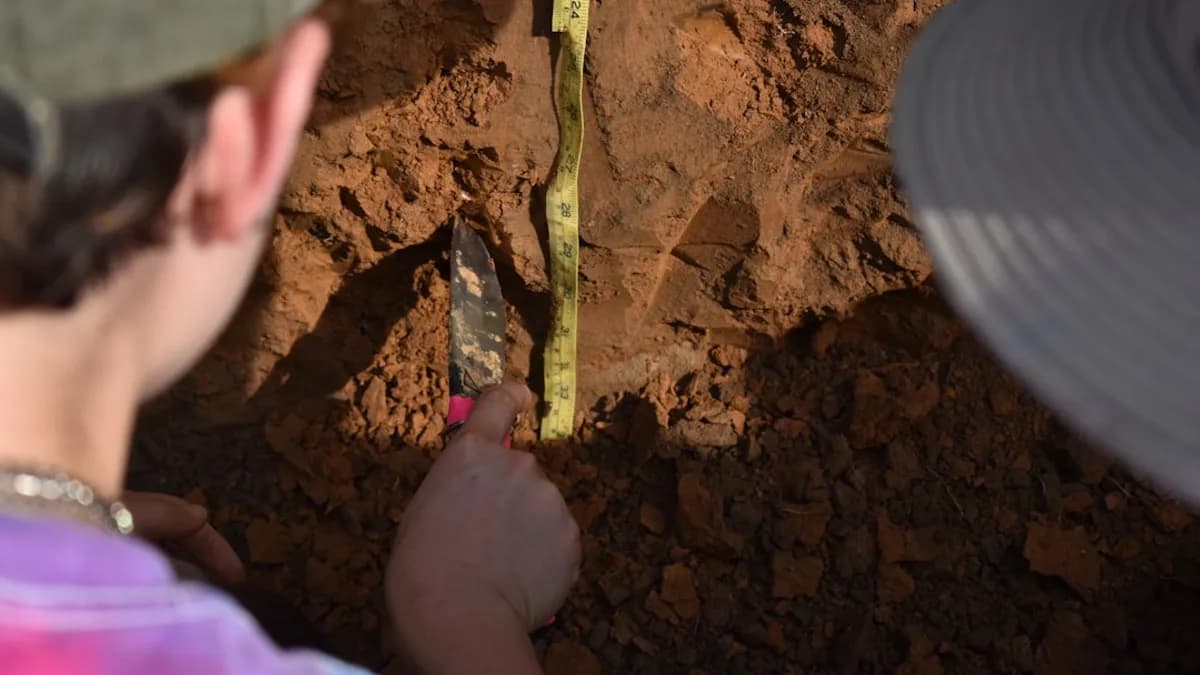
Despite the headlines, the latest search ended without the recovery of Kristin Smart’s remains. However, forensic teams found that soil samples under Susan Flores’ home indicated the presence of human decomposition. This finding, while tantalizing, is not conclusive evidence of Smart’s burial at the site. The search’s inconclusive outcome highlights the limits of current forensic technology and the challenges of working decades after a disappearance.
Law enforcement has not released quantitative details about the decomposition signals or their specificity. The absence of remains means the physical evidence falls short of what’s needed for closure or new charges. The renewed search underscores both persistent public demand for answers and the daunting technical barriers to solving cold cases—even with advanced forensic methods as detailed in CNN’s reporting.
Law Enforcement, Families, and Forensic Specialists: The Relentless Stakeholders
San Luis Obispo County Sheriff’s Office continues to drive the investigation, supported by external forensic consultants. The Flores family, particularly Susan Flores, remains at the center of scrutiny due to the search of their property. Kristin Smart’s family has publicly advocated for continued investigation, using renewed media attention to pressure authorities and keep the case in the public eye.
Forensic teams brought in for this search used soil analysis—an increasingly standard but still imperfect method for detecting historical human remains. The lack of remains despite positive decomposition signals places technical experts at the center of the narrative, as the public and media dissect both the science and the investigative process according to the San Luis Obispo Tribune.
Cold Case Fatigue and the Limits of Forensic Hype
The market for true crime media and forensic technology is vast, and cases like Kristin Smart’s illustrate both the public’s appetite and the limitations of forensic breakthroughs. Every surge in media attention brings new scrutiny of law enforcement’s methods, but also raises expectations that technology can deliver justice decades later. In reality, soil analysis and decomposition testing often yield ambiguous results, especially in cases spanning generations.
This renewed search may boost short-term trust in law enforcement transparency and the value of ongoing forensic investment. Yet, the inability to deliver clear answers risks increasing public frustration and skepticism about the efficacy of cold case investigations. The tension between scientific promise and evidentiary reality is palpable in both the public narrative and law enforcement communications.
Evidence to Watch as the Search for Closure Continues
The most immediate question is whether further forensic analysis of the collected soil samples will yield actionable evidence—either by clarifying the decomposition signals or by leading to additional searches. The Flores property may remain a focal point, but absent new discoveries, the investigation risks sliding back into limbo.
Key indicators to monitor over the next year:
- Any announcement of additional searches or forensic tests at the Arroyo Grande property or other locations.
- Public disclosure of more detailed forensic findings from the soil samples.
- Renewed media efforts or advocacy by the Smart family to keep the case active.
- Shifts in law enforcement strategy or public communication, signaling either a winding down or escalation of the investigation.
The Smart case demonstrates the enduring challenge of cold cases—where technology and tenacity collide, but closure remains just out of reach as covered by AP News.