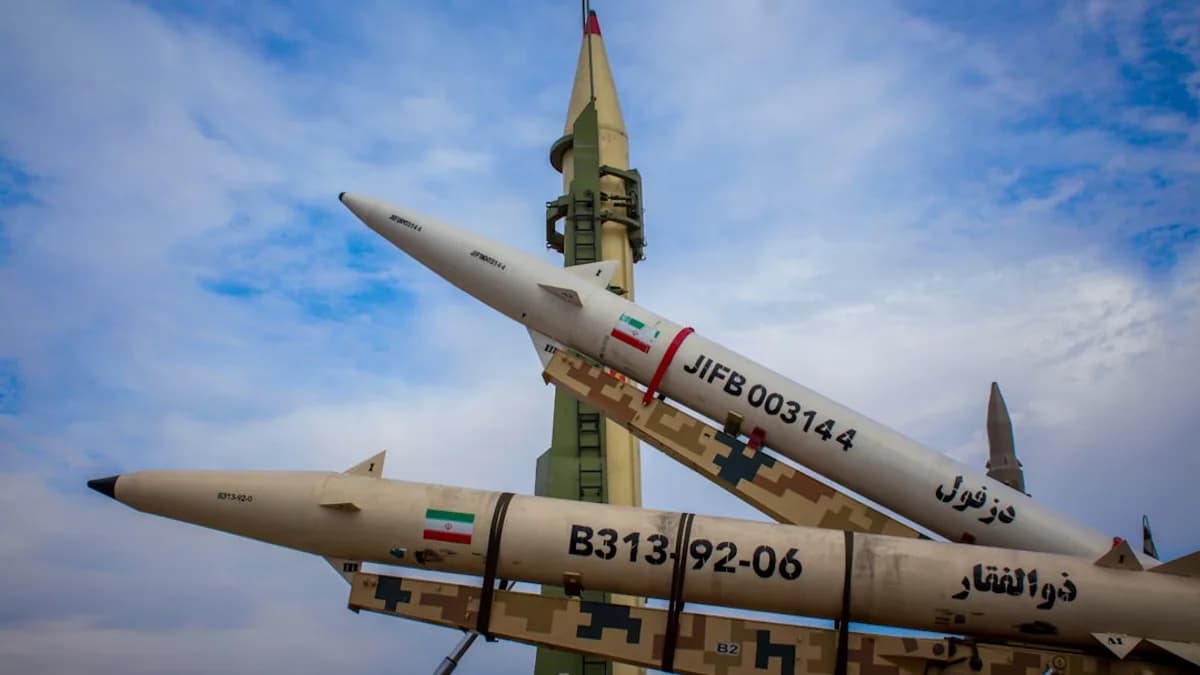
Iran-UAE Missile Barrage Pushes Ceasefire to the Brink
Iran’s drone and missile attacks targeting the UAE have reignited fears of broader regional escalation, shattering the fragile confidence in an Iran war ceasefire. The attacks, reported by UAE authorities and covered by outlets including NPR, come as the United States “awaits Iran’s response” and signals that the ceasefire is hanging by a thread. The surge in search and news volume is driven by concerns over global energy security and the risk of renewed conflict in a region critical to oil flows. As reported by the Wall Street Journal, the attack on Fujairah—a key port for oil exports—immediately reverberated through energy markets.
Underlying Geopolitical Risks and Energy Market Exposure
The latest wave of Iranian drone and missile attacks thrusts the UAE’s defensive capabilities and the region’s energy infrastructure into the spotlight. The UAE reported that air defenses were actively engaged, with The Guardian confirming ongoing interception efforts. No concrete casualty or infrastructure damage data has emerged, but the repeated targeting of Fujairah underlines its significance: the port handles a substantial portion of global oil shipping outside the Strait of Hormuz, making it a strategic vulnerability.
Energy traders are watching closely, as any sustained threat to Gulf oil terminals could drive up prices and destabilize supply chains. The attack’s timing—after U.S.-Iran exchanges of fire—shows both sides testing red lines without escalating to all-out war. The lack of immediate, large-scale retaliation from the U.S. or direct Iranian claims of responsibility has created a climate of uncertainty, with both state and non-state actors probing for leverage.
Key Actors: Iran, UAE, and U.S. Responses
Iran’s Calculated Pressure Campaign
Iran’s selection of drones and missiles for the attack fits its established strategy: maximize regional pressure while preserving plausible deniability. The absence of explicit Iranian statements claiming the attack, noted by AP News, is consistent with prior incidents designed to send warnings to Gulf states and the U.S. without triggering direct confrontation.
UAE’s Defensive Posture and Domestic Messaging
The UAE’s rapid public disclosure of the attacks and emphasis on air defense engagement suggests a dual strategy: reassure domestic audiences and international investors, while signaling resilience to adversaries. The country’s ability to intercept or mitigate such attacks will be scrutinized, particularly by energy market participants and insurers.
U.S. Strategic Ambiguity
The U.S. “awaiting Iran’s response” signals a pause to assess whether further escalation is imminent. Washington’s restraint, documented in NPR coverage, is in line with efforts to avoid a spiraling regional conflict that could disrupt global energy flows and unsettle financial markets.
Energy and Security Markets Face Renewed Volatility
The Fujairah attack’s immediate consequence is heightened volatility in energy and security markets. Traders and risk managers are recalibrating exposure to Gulf infrastructure. Insurance premiums for shipping and energy assets in the region are likely to rise if attacks persist or escalate. The symbolic targeting of Fujairah adds pressure to oil prices—and while no hard numbers are yet available on price movements, the strategic intent is clear: Iran can unsettle global markets without formally breaking the ceasefire.
Market participants are also reassessing the effectiveness of Gulf air defenses. Repeated attacks test the limits of intercept capabilities and raise questions about supply chain continuity for critical sectors, from energy to logistics. Investors seeking stability in the region’s infrastructure, logistics, and energy sectors will demand higher risk premiums unless the threat environment subsides.
Next Steps: Signals to Watch in the Coming Year
Will Attacks Escalate or Remain Contained?
The next twelve months hinge on whether Iran and the UAE settle into a pattern of occasional, contained attacks or spiral into tit-for-tat escalation. Signals to monitor include: frequency and intensity of further strikes, any direct claims of responsibility, and U.S. policy shifts or military deployments in the region. If Fujairah or other Gulf energy hubs suffer significant damage, expect a sharper and more sustained market reaction.
Air Defense Effectiveness and Policy Response
Another critical variable: the UAE’s ability to intercept future attacks. If air defense systems prove consistently effective, market anxiety may ease despite ongoing threats. Conversely, failures or high-profile breaches would amplify concerns. Watch for public and private investments in air defense technology and infrastructure hardening across the Gulf states.
Global Energy Supply Chain Adjustments
Energy buyers and logistics firms may diversify routes or increase inventories to buffer against Gulf volatility. Any visible rerouting of oil flows or new insurance requirements would signal sustained risk perception.
U.S. and International Diplomatic Moves
Diplomatic efforts to revive or reinforce the ceasefire will be crucial. Track statements or visits by U.S., EU, or regional diplomats for signs of new negotiation rounds or security arrangements.
In summary, the Iran-UAE missile attacks have shifted risk perceptions for the Gulf’s energy, security, and investment climate. Whether this event marks a temporary spike in volatility or the start of a new escalation cycle depends on the next moves from Tehran, Abu Dhabi, and Washington. Evidence—not speculation—will guide market and policy recalibration.