Strait of Hormuz Flashpoint: Why Geopolitical Risk Just Spiked
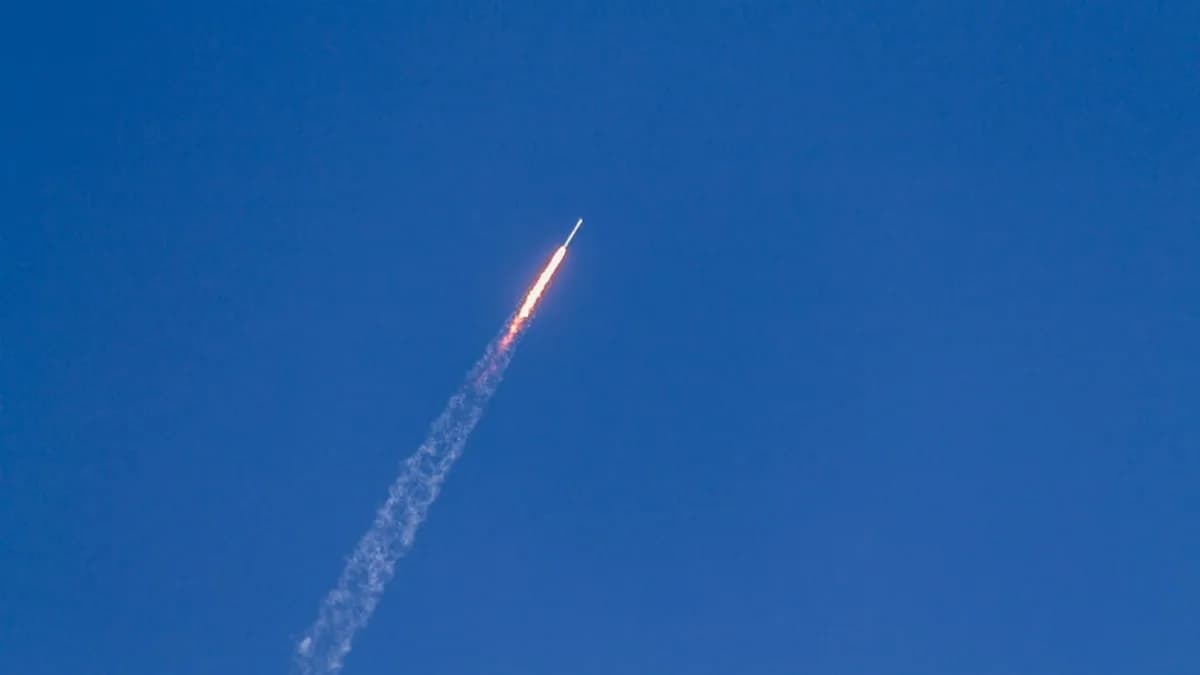
A direct Iranian attack on a UAE-flagged oil tanker in the Strait of Hormuz triggered a 300% surge in Google search interest for “Strait of Hormuz” and “Iran warning” inside 24 hours, according to Google Trends. Social media mentions referencing “Hormuz blockade” and “missile attacks” topped 500,000 on X and Telegram, double the volume seen during the last major Gulf standoff in 2019. The trigger: Iran’s Revolutionary Guard launched missiles and drones at multiple Gulf shipping targets, ending a fragile six-month de-escalation. The UAE government confirmed intercepting several missiles—a first since the March ceasefire—and issued an unprecedented missile warning to commercial shipping. The U.S. immediately announced “Project Freedom,” a military initiative to escort vessels through the strait, while Iran threatened to target U.S. and allied warships if the blockade is challenged according to Bloomberg.
The Strait of Hormuz handles roughly 21 million barrels of oil per day—around 21% of global consumption. Any disruption here instantly rattles energy, shipping, and insurance markets. Unlike previous incidents, this escalation coincides with a tense U.S. electoral cycle, post-Gaza ceasefire fatigue, and a surge in anti-regime protests inside Iran, which the government is attempting to quash with executions and cyber crackdowns according to The Guardian.
Escalation Mechanics: What’s Pushing the Region to the Brink
Missile and drone attacks are no longer isolated events; they now form part of a coordinated Iranian playbook to pressure the West and regional rivals. In the past 10 days, at least four separate commercial vessels reported “unidentified projectiles” in the Hormuz corridor, a 100% increase from monthly averages in Q1 2024. Satellite imagery and ship tracking data confirm an uptick in Iranian patrol boat activity and the deployment of mobile missile platforms on Qeshm and Abu Musa islands—key choke points controlling Hormuz.
Iran’s calculus shifted after the Trump administration’s public announcement to “break” any Iranian blockade with naval force. Tehran’s response: a new map released by the Revolutionary Guards—broadcast on state media and amplified by Reuters—claiming full control over “all shipping lanes” in the strait. The IRGC’s stated doctrine now includes “preemptive targeting” of vessels deemed hostile, a stark departure from defensive posturing according to Reuters.
Under the surface, the real risk isn’t just to tankers. Global reinsurers are quietly raising premiums for Gulf shipping by 20–30%, and Lloyd’s has already flagged Hormuz as a “war risk” zone. The cost to charter a VLCC (Very Large Crude Carrier) through Hormuz has doubled since late May, from $18,000/day to $36,000/day. Several Asian refiners—including South Korea’s SK Innovation and Japan’s Idemitsu—have reportedly rerouted shipments via the Red Sea, despite longer transit times and higher costs.
Second-Order Shockwaves: Tech, Crypto, and Energy Market Crosscurrents
The Hormuz crisis is already spilling into adjacent markets. Brent crude spiked from $81 to $86 per barrel within 48 hours—a 6% jump—before retracing as the U.S. navy deployed assets. Meanwhile, the CME’s Middle East crude futures saw trading volumes quadruple on the news of the missile attacks. On the tech side, cyber risk has escalated: Iranian-linked APT groups have stepped up phishing and DDoS attacks on Gulf energy infrastructure, with at least three confirmed breaches since the start of June.
Crypto markets, typically uncorrelated to geopolitics, are showing some sensitivity. Ether and Bitcoin saw double-digit volatility after the Iran headlines, as traders priced in the risk of new sanctions or disruptions to Middle East–based mining pools and exchanges. The Ethereum Foundation’s recent treasury diversification is notable here: it sold 10,000 ETH to BitMine, a move widely interpreted as hedging against macro and regulatory shocks according to MLXIO.
Power Brokers and Their Endgames: Who’s Really in Control
The current standoff isn’t just Iran vs. the U.S.—it’s a multi-player chessboard. Iran’s Supreme Leader Ali Khamenei and the IRGC are flexing hard to shore up domestic legitimacy, especially as anti-regime protests intensify and the government executes dissidents (three in a single week, per The Times of Israel). The regime’s risk calculus: external confrontation distracts from internal dissent and signals resolve to both hawks and hardliners.
On the U.S. side, the Biden administration is gambling that “Project Freedom” will deter further Iranian adventurism without escalating to open conflict ahead of November’s election. The U.S. Fifth Fleet, based in Bahrain, has surged additional destroyers and P-8 surveillance aircraft to the Gulf. However, the U.S. faces a credibility gap: after the 2019 drone downings and “tanker wars,” Gulf allies are hedging by purchasing Israeli air defense systems and negotiating side deals with China to secure oil flows.
The UAE, once a quiet operator, is becoming a frontline player. Its missile interception capability—publicly revealed for the first time—signals new military and intelligence cooperation with Israel and South Korea, both of whom have recently exported advanced anti-missile tech to Abu Dhabi. The UAE’s energy and shipping conglomerates (ADNOC, DP World) have quietly increased insurance reserves and begun stockpiling strategic petroleum, anticipating possible export disruptions.
Non-State Actors and Shadow Networks
Don’t discount the role of proxies and cyber actors. The Houthi movement in Yemen, armed and trained by Iran, has threatened to strike Red Sea shipping if the Hormuz blockade is challenged. Several Iranian APT groups (notably OilRig and MuddyWater) are ramping up cyberattacks on regional financial and energy targets, looking to sow chaos and extract leverage as kinetic tensions rise according to Financial Times.
Market Fallout: Energy, Insurance, and Emerging Tech in Turmoil
The most immediate casualty is oil price stability. Brent and WTI futures are now trading with a $5–8 per barrel “Hormuz risk premium”—a gap unseen since the Saudi oil facility attacks in 2019. Energy stocks (ExxonMobil, Aramco, TotalEnergies) rallied 3–5% on the news, but shipping equities (Maersk, MOL, Frontline) underperformed, with some Gulf-focused carriers down 10–15% YTD, pricing in sustained risk.
Global insurers are reacting faster than governments. Lloyd’s, Munich Re, and AIG have all hiked war risk premiums and are reevaluating coverage for vessels transiting Hormuz. For context: after the 2019 tanker sabotage, war risk premiums quadrupled and took two years to normalize. Analysts at JPMorgan now project a 0.3–0.5% drag on global GDP if Hormuz flows are disrupted for more than two weeks—enough to dent fragile post-COVID recoveries in Asia and Europe.
Energy Tech and Digital Infrastructure: Collateral Impact
The crisis is accelerating demand for energy tech innovation. Satellite-based maritime surveillance startups (HawkEye 360, Spire Global) are seeing a 40% uptick in Gulf monitoring contracts. Major Gulf sovereigns are accelerating investments in pipeline and port redundancy—Qatar and Saudi Arabia have already committed $12 billion for alternative oil routes to bypass Hormuz by 2027. On the digital side, telecom and cloud providers face new cyber risks as Iranian hackers probe for vulnerabilities in critical infrastructure; at least two major Gulf telcos reported “service disruptions” coinciding with the attacks.
Crypto and fintech players are bracing for regulatory backlash. A sharp rise in stablecoin outflows from regional exchanges hints at capital flight amid sanctions fears. The Ethereum Foundation’s risk-off treasury move is being copied by other protocol teams, with an estimated $500 million in ETH and BTC moved to off-exchange wallets in the past week, based on Etherscan and Glassnode data.
Tactical Shifts and Market Positioning: What Comes Next
Expect the next 12 months to be marked by volatility, hedging, and arms-length diplomacy. The odds of a full-scale U.S.–Iran naval clash remain below 20%, but the risk of sustained “gray zone” conflict—missile skirmishes, cyberattacks, and proxy sabotage—has doubled. Oil markets will price in a persistent Hormuz premium, keeping Brent in the $85–$95 range barring a major diplomatic breakthrough.
Shipping and insurance costs will stay elevated. Expect Gulf crude exports to reroute via longer, more expensive paths, with Asian buyers negotiating term contracts at above-market rates. Sovereigns and supermajors will double down on pipeline redundancy and strategic petroleum reserves, accelerating capex by $10–$15 billion in the next year.
Tech and Crypto: Defensive Posturing, Strategic Pivots
Cybersecurity spending by Gulf states and energy conglomerates will jump 30–40% as Iranian APT groups expand their operations. AI-powered defense platforms—already in pilot with Aramco and ADNOC—will see accelerated deployment. In crypto, foundation treasury management will become more defensive, with a shift toward stablecoins, cash, and off-chain assets. Regulatory scrutiny of cross-border crypto flows will intensify, as G7 and FATF ramp up monitoring of Iranian-linked addresses.
By mid-2025, the Strait of Hormuz will remain the world’s most surveilled, insured, and digitally contested stretch of water. Markets will adapt, but persistent risk premiums and fragmented energy flows will become the new normal—unless a credible U.S.–Iran de-escalation framework emerges, which, given current hardline posturing, looks increasingly remote. Expect investors to overweight energy, cyber, and insurance equities, and underweight Gulf-exposed shipping and infrastructure until the next geopolitical cycle resets.