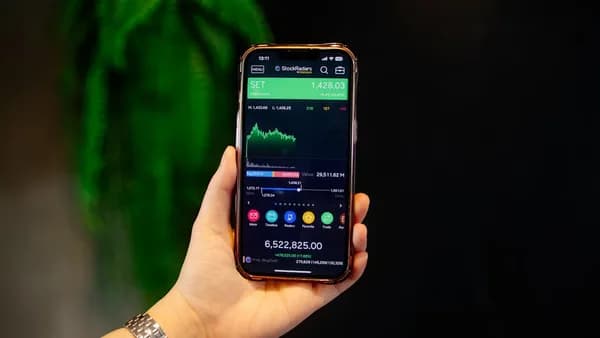
Navigating the world of investments as a beginner in 2026 can be overwhelming, especially with the wide array of platforms vying for your attention. Whether you’re looking to buy your first stock, start a diversified ETF portfolio, or explore digital assets, choosing the right investment platform is crucial. This comprehensive investment platforms beginners comparison will break down the leading brokers and apps, focusing on fees, features, educational resources, account minimums, and user experience—all grounded in the latest data from trusted sources.
Why Choosing the Right Investment Platform Matters for Beginners
For those new to investing, your platform choice can dramatically influence your early experiences and long-term success. The right investment platform doesn’t just execute trades—it:
- Offers educational resources to help you learn at your own pace
- Provides a simple, intuitive interface so you don’t get lost or make costly mistakes
- Keeps fees transparent and low, so more of your money can grow
- Allows you to start with little or no minimum deposit
“When you’re a beginner investor, the right broker is more than a platform for buying stocks—it should also offer investing educational resources, be easy to use, and allow you to practice before you make real-world trades if you want to.”
— NerdWallet, Best Brokers for Beginner Investors 2026
A well-chosen platform supports your growth from novice to confident investor, minimizing frustration and maximizing value.
Overview of Popular Investment Platforms in 2026
The investment landscape in 2026 is both broad and competitive. According to expert analyses from NerdWallet and Change, the following platforms are especially popular and accessible for beginners:
| Platform | NerdWallet Rating | Trading Fees | Account Minimum | Notable Promo/Feature |
|---|---|---|---|---|
| Fidelity | 5.0/5 | $0 per trade (US stock, ETF) | $0 | No promotion (2026) |
| Charles Schwab | 4.8/5 | $0 per online equity trade | $0 | Up to $500 with qualifying deposit |
| E*TRADE | 4.5/5 | $0 per trade (stocks/ETFs) | $0 | Up to $1,500 with qualifying deposit |
| Robinhood | 4.5/5 | $0 (stocks, ETFs, options) | $0 | 1 free stock (value $5-$200) |
| Vanguard | 4.2/5 | $0 (stocks, ETFs, funds) | $0 | No promotion |
| Change | Not rated by NerdWallet | Not specified | Not specified | Mobile-first, user-friendly |
| Trading 212 | Not rated by NerdWallet | Not specified | Not specified | Small investments enabled |
These platforms represent a mix of established brokers and modern investment apps, each tailored to make investing easier for beginners.
Fee Structures: Commissions, Management Fees, and Hidden Costs
Understanding costs is a vital step in any investment platforms beginners comparison. Even seemingly small fees can eat into your returns over time.
Commission and Trading Fees
All major platforms highlighted by NerdWallet now offer $0 commissions on online U.S. stock and ETF trades, including:
- Fidelity: $0 per trade for online U.S. stocks and ETFs
- Charles Schwab: $0 per online equity trade
- E*TRADE: $0 per trade (stocks, ETFs)
- Robinhood: $0 (stocks, ETFs, options)
- Vanguard: $0 per trade for online stocks, ETFs, and Vanguard funds
“Commission-free stock, options and ETF online US trades.”
— NerdWallet on Fidelity, 2026
Other Fees and Costs
While trading commissions are $0, be aware of:
- Other fees: Options contracts, wire transfers, and certain account activities may incur additional costs (exact details vary; check each broker’s fee schedule).
- Fund Expenses: Many brokers offer “expense-ratio-free” index funds, greatly reducing ongoing costs for fund investors.
- Bid/Ask Spread: For ETFs, you may face a small “spread” between buy and sell prices.
“ETFs usually come with some level of built-in diversification... ETFs generally charge lower fees than a similar type of investment fund called a mutual fund.”
— Fidelity, 2026
Hidden Costs
At the time of writing, no platform explicitly highlighted in the sources charges hidden platform or inactivity fees for basic accounts, but always consult up-to-date fee disclosures before you sign up.
Educational Tools and Resources for New Investors
Learning is a priority for most beginners, and platforms differ in the quality and depth of their educational offerings.
Top Educational Features
- Fidelity: “The educational support offered is truly exceptional, making it easy for novices to learn about every facet of investing.” Their platform includes broad research tools, detailed guides, and resources for every skill level.
- Charles Schwab: Offers a variety of educational resources and tools for learning about the markets.
- E*TRADE: Known for a robust library of articles, videos, and webinars aimed at beginners.
- Robinhood: Provides basic in-app explanations and learning content, though less comprehensive than traditional brokers.
- Change: According to Change, a key selection factor for their list is “tools or resources that help you understand what you're investing in,” suggesting educational elements are present.
Paper Trading and Practice Accounts
- Paper Trading: Some platforms offer “paper trading”—simulated investing with virtual money. Platform-specific details on paper trading (such as limits or features) were not specified in the research, so confirm with the provider if practicing without risking real money is important to you.
“We consider... What resources are available to help people learn and understand investing?... Is paper trading free?”
— NerdWallet, 2026
Minimum Account Requirements and Funding Options
The ability to start investing with a small amount is essential for beginners.
Account Minimums
| Platform | Account Minimum |
|---|---|
| Fidelity | $0 |
| Charles Schwab | $0 |
| E*TRADE | $0 |
| Robinhood | $0 |
| Vanguard | $0 |
| Change | Not specified |
| Trading 212 | Not specified |
All of the major U.S. brokers in the comparison allow you to open and fund an account with no minimum deposit.
Funding Options
Most platforms enable users to fund accounts via:
- Bank transfer (ACH)
- Wire transfer
- Mobile check deposit (varies by broker)
Small Investments: “Some investing apps let you start with as little as a few dollars, making investing accessible for everyone.”
— Change, 2026
User Interface and Mobile App Usability
A beginner-friendly interface can make the difference between confident investing and costly errors.
App Ratings and Usability
- Fidelity: “Highly rated mobile app.” Recognized by NerdWallet as the “Best App for Investing” in 2026.
- E*TRADE: Also features a well-regarded mobile app, praised for ease of navigation.
- Robinhood: Built its brand on a clean, simple, mobile-first interface, making it especially easy for new investors.
- Change, Trading 212: Highlighted by Change as leaders in usability, emphasizing intuitive design and fast setup.
| Platform | Mobile App Rating | Usability Notes |
|---|---|---|
| Fidelity | Top-rated | Best App for Investing (2026) |
| E*TRADE | High | User-friendly, quick trades |
| Robinhood | High | Simple, mobile-first design |
| Change | Not rated | Emphasizes “user-friendly” approach |
| Trading 212 | Not rated | Known for easy navigation |
“User-friendly interface. Look for an app that's intuitive and easy to navigate, especially if you're a beginner.”
— Change, 2026
Customer Support and Community Features
Support quality can be a major differentiator for beginners, especially if you need help with your first trades or have questions about your account.
Customer Support
- Fidelity: “Strong customer service,” according to NerdWallet’s hands-on testing.
- Charles Schwab: Offers customer support via phone, chat, and email.
- E*TRADE: Provides live support and a help center for new investors.
- Robinhood: Offers online support, but some users have noted limited access to human advisors.
- Change: The platform’s support experience is not described in detail in the available source data.
Community Features
At the time of writing, specific details about community features (forums, social trading, etc.) are not highlighted in the source material for the listed platforms. Some apps may offer community resources, but this should be verified directly with the provider if important to you.
Security Measures and Regulatory Compliance
Security is non-negotiable when it comes to your money. All major U.S. brokers—Fidelity, Charles Schwab, E*TRADE, Vanguard, Robinhood—are regulated by authorities such as FINRA and SIPC, providing insurance on brokerage accounts up to specified limits.
“Look for apps that use strong security measures and operate under recognized financial authorities.”
— Change, 2026
- Two-factor authentication and encryption are standard for most platforms.
- Change, Trading 212: The source notes the importance of strong security and regulatory oversight, but does not provide specifics for these apps.
Before opening an account, always confirm the platform’s regulatory status and security policies.
Pros and Cons of Each Platform
Below is a side-by-side summary based on concrete features and ratings from the sources.
| Platform | Pros | Cons |
|---|---|---|
| Fidelity | $0 commissions, best-in-class education, no account minimum, strong support, highly rated apps, expense-ratio-free index funds | No paper trading platform specified |
| Charles Schwab | $0 trading, no minimum, educational resources, strong brand | No detailed educational or app ratings in sources |
| E*TRADE | $0 trading, robust education, no minimum, high app usability | Limited details on index fund expenses |
| Robinhood | $0 trading, mobile-first, instant account setup, free stock promo | Less comprehensive education, support limitations |
| Vanguard | $0 commissions, no minimum, leading fund selection | Less focus on app/mobile usability, no promotion |
| Change | Emphasizes ease of use, mobile-first, small investments | No detailed fee or support info in sources |
| Trading 212 | Easy navigation, small investment options | No fee or regulatory info in sources |
Final Verdict: Best Platforms for Beginner Investors
After reviewing the top contenders from multiple authoritative sources, here’s how the best investment platforms beginners comparison shakes out:
- Fidelity emerges as the best all-around choice for beginners in 2026. With $0 trading fees, no account minimums, exceptional educational resources, and a top-rated mobile app, it stands out for both new and growing investors.
- Charles Schwab and E*TRADE are close behind, offering $0 commissions, strong support, and straightforward platforms.
- Robinhood is an appealing option for those prioritizing a mobile-first experience and instant account access, but it may lack the depth of educational resources found on larger platforms.
- Change and Trading 212 are highlighted as modern, user-friendly apps that allow you to start with very small investments, though details on fees and support are less specific in the current data.
“Fidelity is NerdWallet's pick for the best online broker for beginning investors and the best app for investing.”
— NerdWallet, 2026
FAQ: Investment Platforms for Beginners
Q1: What is the best investment platform for beginners in 2026?
A: According to NerdWallet, Fidelity is the top pick thanks to its $0 trading fees, no account minimums, robust educational resources, and highly rated mobile app.
Q2: Are there any platforms with no account minimums?
A: Yes. Fidelity, Charles Schwab, E*TRADE, Vanguard, and Robinhood all allow you to open an account with $0 minimum.
Q3: Do these platforms offer commission-free trades?
A: All the major U.S. brokers reviewed—Fidelity, Charles Schwab, E*TRADE, Robinhood, and Vanguard—offer commission-free trading for online U.S. stocks and ETFs.
Q4: Which platforms are best for learning about investing?
A: Fidelity stands out for its exceptional educational support. E*TRADE and Charles Schwab also provide robust resources for beginners.
Q5: Can I practice investing without risking real money?
A: Some platforms may offer paper trading or practice accounts, but specific details should be confirmed on the provider’s website, as not all brokers offer this feature.
Q6: What kinds of investments can I access on these platforms?
A: All major brokers let you buy stocks, ETFs, and mutual funds. Some (like Fidelity and Change) also provide access to bonds and, in the case of Change and similar apps, cryptocurrencies.
Bottom Line
The best investment platforms for beginners in 2026 blend zero-commission trading, intuitive interfaces, outstanding educational support, and no account minimums. Fidelity stands out as the top choice, but Charles Schwab, E*TRADE, Robinhood, and modern apps like Change and Trading 212 all make strong cases depending on your priorities. Always consider fees, platform usability, educational resources, and security before you invest—and start small as you build your investing confidence.