Best for advanced traders
Interactive Brokers
Broad market access, order controls, and professional tooling make it strongest for advanced users.
Source
Decision Shortlist
Best for advanced traders
Broad market access, order controls, and professional tooling make it strongest for advanced users.
SourceBest long-term investor platform
Research, retirement tools, and broad account support make Fidelity a strong fit for long-term investors.
SourceBest charting workflow
TradingView is strongest when charting, watchlists, indicators, and community workflows matter most.
SourceBest simple mobile path
Robinhood is easiest for mobile-first users, though advanced traders should review limits and tradeoffs.
SourceCompare First
Best for: Advanced traders and globally oriented investors who need broad market access and order control
Best for: Long-term investors who want research, retirement accounts, funds, and broad brokerage support
Best for: Investors who want a large brokerage ecosystem, research, education, and active trading tools
Best for: Users who prioritize charts, watchlists, indicators, alerts, and broker-connected workflows
Best for: Mobile-first users who want a simple app for basic stocks, ETFs, options, and crypto access
| Feature | Interactive Brokers | Fidelity | Charles Schwab | TradingView | Robinhood |
|---|---|---|---|---|---|
| bestUse | Professional and active trading workflows | Long-term investing and account consolidation | Investors who want both research and trading depth | Analysis-first trading workflows | Simple self-directed trading |
| workflow | Advanced platform and web/mobile tools | Research and portfolio management | Brokerage, research, and active trading tools | Charting, alerts, indicators, Pine Script | Mobile-first brokerage app |
| marketAccess | Global stocks, options, futures, forex, bonds, funds, and more by eligibility | Stocks, ETFs, options, mutual funds, fixed income, retirement accounts | Stocks, ETFs, options, futures access, funds, fixed income | Charts across stocks, crypto, forex, futures, and more | Stocks, ETFs, options, crypto, and retirement products by eligibility |
Details That Matter
A long-term investor, an options trader, a crypto trader, and a chart-heavy technical analyst need different tools. MLXIO ranks trading platforms by workflow fit instead of pretending one interface is best for every type of risk.
Commission-free trading does not mean cost-free trading. Users should check spreads, margin rates, options fees, crypto spreads, subscription costs, payment-for-order-flow disclosures, and transfer or account fees.
Trading platforms can make risky products easy to access. Good platform selection should include account security, options permissions, margin controls, educational warnings, and whether the user can avoid products they do not understand.
This page compares software, brokerage workflows, costs, and platform fit. It does not recommend any investment, security, crypto asset, trading strategy, or leverage use.
Source Notes
Interactive Brokers provides the advanced-trader reference point for market access, order control, and professional workflows.
Read sourceFidelity is useful for long-term investor workflows, research, account breadth, and portfolio management.
Read sourceCharles Schwab gives a broad brokerage benchmark with investor education and active trading tooling.
Read sourceTradingView anchors the charting and analysis workflow rather than the brokerage account itself.
Read sourceRobinhood is the simple mobile-first benchmark for low-friction self-directed trading.
Read sourceEditorial Context
The best trading platform depends on market access, cost, research depth, order control, and how much complexity the user can safely handle.
FAQ
No. It compares platform features, fees, tools, and risk controls. It does not recommend buying, selling, or trading any asset.
Robinhood is simplest for mobile-first beginners, while Fidelity and Schwab are stronger for users who want more research, account types, and long-term investing tools.
Interactive Brokers is the strongest advanced-trader pick because of market access, order controls, and professional tooling.
No. A better platform can improve workflow and transparency, but it cannot remove market, liquidity, leverage, options, crypto, or user-behavior risk.

Written by
Algorithmic Research & Human Oversight
Powered by advanced algorithmic research and perfected by human oversight. The Insights Team delivers highly structured, cross-verified analysis on emerging tech trends and digital shifts, filtering out the fluff to give you high-fidelity value.
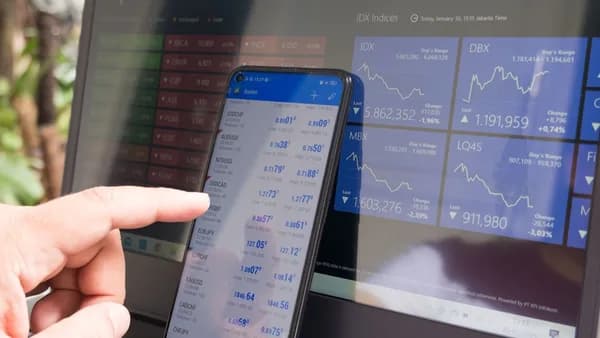
The best options trading apps in 2026 crush risk with advanced tools like scenario modeling and stress tests to protect your trades and optimize strategies.
12 min read
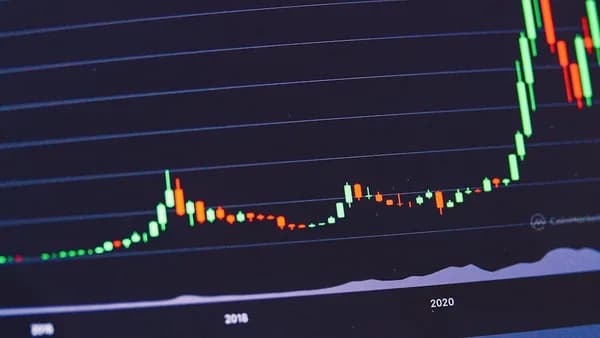
Fast, reliable charting tools with real-time data are essential to mastering stock trading platforms in 2026’s competitive market.
9 min read
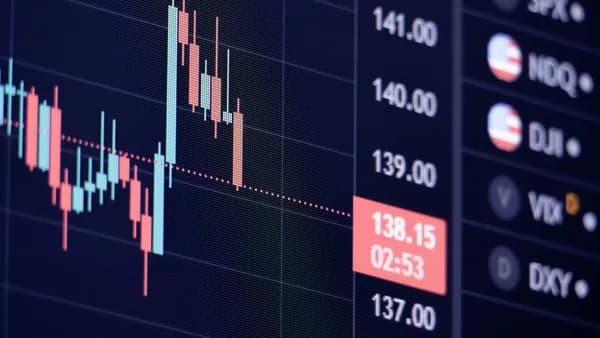
In 2026, choose copy trading for hands-off ease or algorithmic trading for full control—match your style, risk, and skills to the right platform.
12 min read
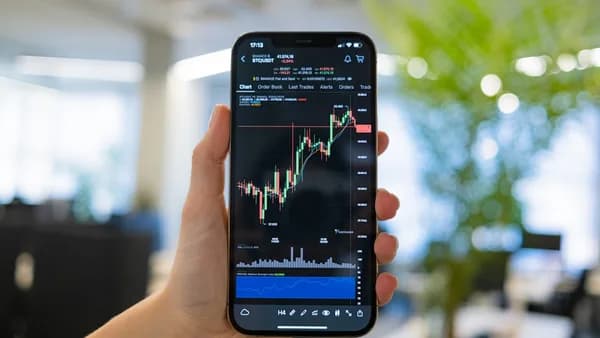
Options trading apps deliver stronger passive income potential than copy trading platforms in 2026, though risks and user roles vary significantly.
11 min read
In 2026, picking between options trading apps and algorithmic tools can define your trading success or failure.
11 min read

A powered-on Fold 8 Ultra leak shows a nearly invisible crease, but Samsung has not confirmed the phone, specs, or launch.
6 min read

TTArtisan’s $89 full-frame 50mm f/1.8 Neo brings autofocus but strips out aperture and focus rings.
7 min read
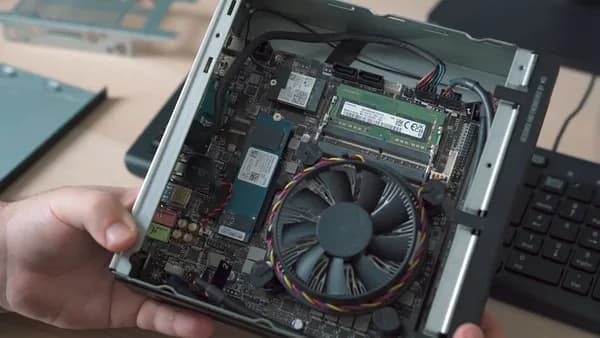
$147 buys a barebone Beelink ME Pro NAS with 68TB support, reframing home storage as a compact mini PC-style purchase.
7 min read

Notion is axing Mail after a year and launching Agents for iPhone, betting AI will become the new front door for work.
8 min read

AI peer-review tools can be gamed with polish—or fake experiments—raising fears that machine scores may reward weak science.
7 min read