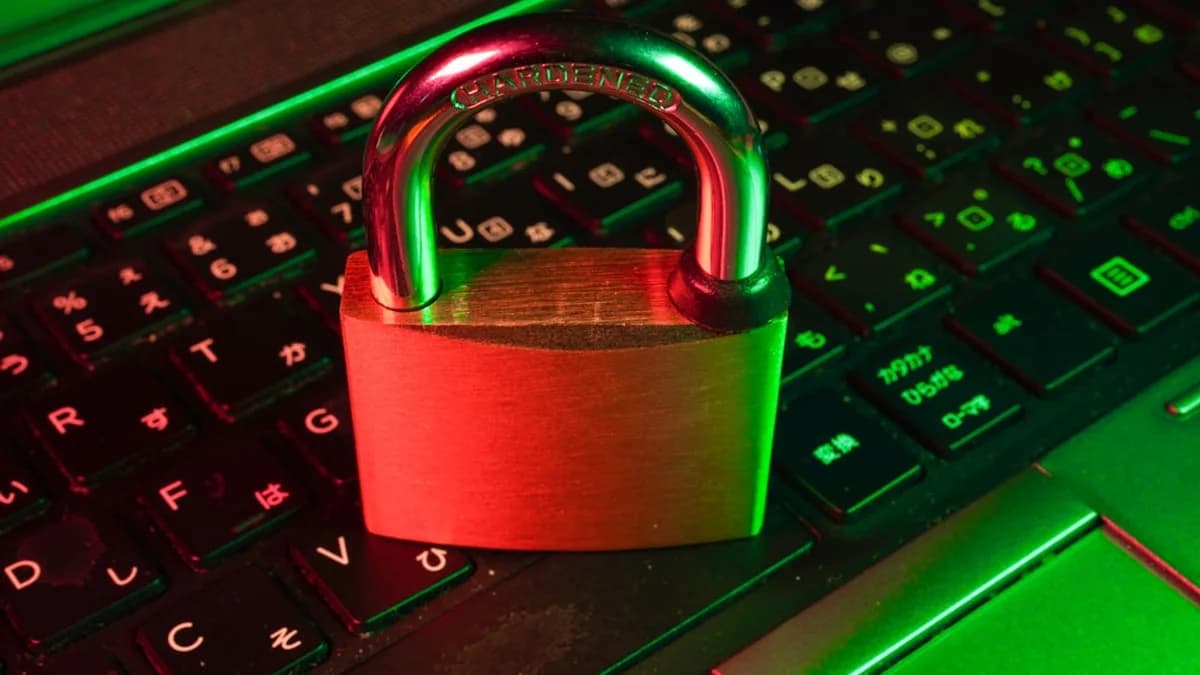
In 2026, the landscape of privacy tools for online identity protection has never been more complex—or more critical. The proliferation of smart devices, advanced data analytics, and AI-driven surveillance has fundamentally changed how personal information is collected, processed, and potentially exploited. If you’re seeking to defend your online identity from constant tracking, data breaches, and surveillance, it’s essential to understand not only the available privacy tools but also how to use them effectively and ethically.
Let’s break down the core risks, the types of privacy tools you need to know, expert recommendations for 2026, and actionable steps to build your own privacy toolkit.
Understanding Online Identity and Privacy Risks
The definition of privacy has evolved dramatically. According to the Stanford Encyclopedia of Philosophy, privacy is not a single, static concept but a complex and historically contingent set of boundaries between public and private life. In 2026, the lines between these realms are more fluid than ever, primarily due to technological advancements.
Key Risks to Online Identity:
- Data Profiling: Smart devices and internet platforms collect vast quantities of data to build detailed profiles, influencing not just what ads you see, but potentially shaping your opinions and behavior.
- Surveillance: Modern surveillance tools can observe, listen, and track your digital activities and physical location.
- Policy Changes: Privacy policies change frequently, and it’s challenging for users to keep up with how their data is being handled. Tools like ASML’s Transparency Hub (highlighted by the Berkman Klein Center) now allow users to track and compare these changes over time.
- Identity Theft: The consequences of breached personal data range from financial loss to reputational damage. Identity theft protection services remain essential, as ranked by U.S. News in their 2026 guide.
“Recent technology has led to previously unimagined ways of obtaining information about people, for observing them, listening in on their conversations, monitoring their activities and locating their whereabouts.”
— Stanford Encyclopedia of Philosophy
Types of Privacy Tools: VPNs, Browsers, Extensions, and More
The market for privacy tools online identity protection is diverse, with several categories of tools designed to address specific threats.
VPNs (Virtual Private Networks)
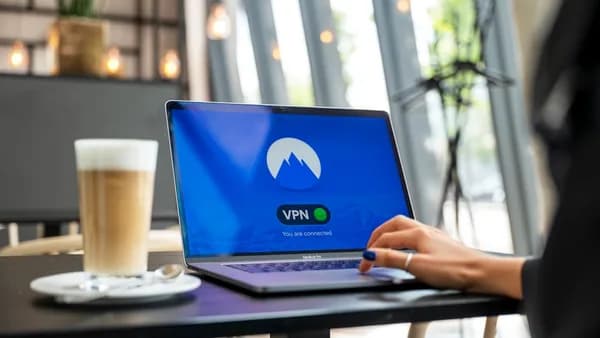
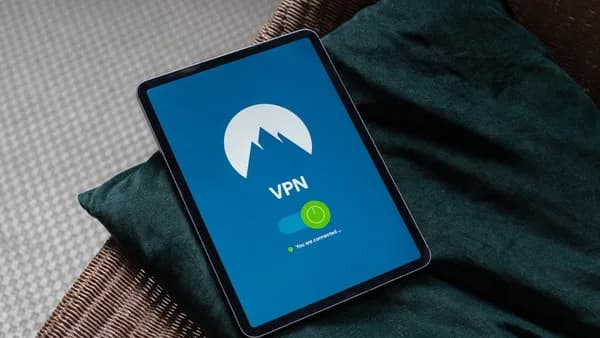
A VPN encrypts your internet connection and masks your IP address, helping prevent tracking by websites and ISPs.
- Primary Function: Encrypts network traffic, hides IP address
- Use Cases: Secure browsing on public Wi-Fi, geo-unblocking, reducing online profiling
Privacy-Focused Browsers
These browsers come with built-in features to block trackers, ads, and fingerprinting scripts.
- Primary Function: Prevents tracking, blocks cookies and scripts
- Use Cases: Everyday browsing with enhanced privacy
Browser Extensions
Add-ons that supplement browsers by blocking ads, enforcing HTTPS, or controlling script execution.
- Primary Function: Customizable privacy and security enhancements
- Use Cases: Blocking third-party trackers, managing cookies
Encrypted Messaging Apps
End-to-end encryption ensures that only the sender and recipient can read the contents of messages.
- Primary Function: Secure communication
- Use Cases: Personal and professional conversations
Identity Theft Protection Services
These monitor your personal data for suspicious activity and offer recovery assistance if your identity is compromised.
- Primary Function: Monitoring, alerts, and recovery services
- Use Cases: Guarding against financial fraud and data breaches
| Tool Type | Primary Benefit | Common Features |
|---|---|---|
| VPN | Network encryption | IP masking, no-log policies |
| Private Browser | Tracker/ad blocking | Anti-fingerprinting, HTTPS only |
| Browser Extension | Ad/tracker blocking | Script control, cookie management |
| Encrypted Messaging App | Secure communication | E2E encryption, disappearing msgs |
| Identity Theft Protection | Data breach monitoring | Credit monitoring, alerts, recovery |
Evaluating Effectiveness: Encryption, Anonymity, and Data Control
When considering privacy tools online identity protection, it’s essential to focus on three pillars: encryption, anonymity, and data control.
Encryption
- VPNs and encrypted messaging apps provide strong encryption for data in transit.
- Modern privacy regulations and best practices increasingly recommend end-to-end encryption, especially for sensitive communications.
Anonymity
- Tools that mask your IP address or prevent browser fingerprinting raise barriers for advertisers and data harvesters.
- True anonymity is challenging; even the best tools cannot guarantee it against a highly motivated adversary.
Data Control
- The Berkman Klein Center emphasizes that existing regulatory and privacy practices are not sufficient: users must proactively manage their data.
- Tools like ASML’s Transparency Hub help users understand and track changes in privacy policies, providing greater control over how personal information is handled.
“Existing regulatory requirements and privacy practices in common use are not sufficient to address the risks associated with long-term, large-scale data activities.”
— Berkman Klein Center
Top Privacy Tools Recommended for 2026
While no single tool offers complete protection, a combination of best-in-class solutions can significantly reduce your risk. Based on 2026 industry coverage and authoritative rankings, here are the most recommended categories and services:
1. Identity Theft Protection Services
The U.S. News 2026 Identity Theft Protection Rankings highlight services that offer:
- Credit monitoring
- Dark web surveillance
- Fraud alerts
- Identity restoration support
| Service Feature | Description |
|---|---|
| Credit Monitoring | Alerts for suspicious activity on accounts |
| Dark Web Surveillance | Checks if personal data is being sold |
| Fraud Alerts | Notifications of potential ID theft |
| Restoration Support | Assistance in recovering compromised identity |
2. VPNs
While the exact brands and pricing are not detailed in the 2026 sources, VPNs remain a core privacy defense.
- Free Tier: Some VPNs offer basic usage limits
- Encryption: Industry-standard protocols (e.g., WireGuard, OpenVPN)
- No-log Policies: Essential for privacy
3. Privacy Browsers and Extensions
Browsers with built-in tracker blocking and privacy extensions are critical for day-to-day use.
- Tracker Blocking: Prevents most advertising and analytics tracking
- Script Control: Blocks malicious or invasive scripts
4. Encrypted Messaging Apps
Secure messaging is highlighted as crucial for maintaining private communications, especially given the rise in AI-powered surveillance and monitoring.
- End-to-End Encryption: Only sender and recipient can read messages
- Disappearing Messages: Optional for added security
“Our contemporary debates about cybersecurity, surveillance and the law are steeped in 21st century technology, but the problem of interception is not new.”
— Berkman Klein Center
How to Combine Multiple Tools for Maximum Protection
No individual privacy tool can cover every threat vector. The most robust online identity protection strategy involves layering multiple tools.
Step-by-Step Approach
- Start with a VPN: Secure all network traffic, especially on public Wi-Fi.
- Adopt a Privacy Browser: Use for everyday browsing to minimize tracking.
- Install Browser Extensions: Add tracker blockers and script managers.
- Use Encrypted Messaging: Communicate sensitive information only via secure apps.
- Subscribe to Identity Theft Protection: Monitor for data breaches and respond rapidly.
| Layer | Tool Category | Main Benefit |
|---|---|---|
| 1 | VPN | Network encryption |
| 2 | Privacy Browser | Blocks trackers/scripts |
| 3 | Browser Extensions | Custom privacy controls |
| 4 | Encrypted Messaging | Private communication |
| 5 | ID Theft Protection | Breach monitoring/alerts |
Combining tools increases your resilience against both targeted and broad-spectrum privacy threats.
Common Pitfalls and How to Avoid Them
Even the best privacy tools online identity protection strategies can be undermined by common mistakes.
- Overreliance on One Tool: No single solution is foolproof. Always use a layered approach.
- Ignoring Policy Changes: Companies frequently update their privacy policies. Use platforms like ASML’s Transparency Hub to stay informed.
- Complacency: Privacy threats evolve rapidly. Tools must be updated and used correctly.
- Misconfigured Tools: Failing to enable encryption, or not updating software, exposes vulnerabilities.
- Assuming Anonymity: Most tools raise barriers but do not guarantee total anonymity, especially against sophisticated surveillance.
“Existing regulatory requirements and privacy practices in common use are not sufficient to address the risks associated with long-term, large-scale data activities.”
— Berkman Klein Center
Legal and Ethical Considerations in Privacy Protection
The right to privacy is recognized as both a moral and legal interest, but definitions and protections vary.
- Legal Protections: As per the Stanford Encyclopedia of Philosophy, privacy laws differ across jurisdictions and are shaped by political and social factors.
- Ethical Use: Protecting your own privacy should not come at the expense of others. Avoid tools or tactics that compromise the privacy or rights of others.
- Transparency: Leveraging resources like ASML’s Transparency Hub supports ethical engagement by clarifying how your data is handled.
“The question of whether privacy has to be protected as a conventional interest, a moral right, or a legal right, has been contested for a long time.”
— Stanford Encyclopedia of Philosophy
User Guides for Setting Up Privacy Tools
Setting up privacy tools online identity protection does not require advanced technical skills.
VPN Setup
# Example setup steps (generic, as specific brands are not listed in sources)
1. Download the VPN app from the provider's website.
2. Install and launch the app.
3. Choose a secure server location.
4. Enable kill switch and auto-connect features.
Privacy Browser Configuration
- Download a privacy-focused browser.
- Enable tracking protection and anti-fingerprinting features.
- Update browser regularly for latest security patches.
Browser Extension Installation
- Search the extension marketplace for reputable privacy add-ons.
- Install tracker blockers, ad blockers, and HTTPS enforcement extensions.
- Review permissions before enabling any extension.
Encrypted Messaging App
- Download from an official source.
- Verify that end-to-end encryption is enabled by default.
- Enable disappearing messages for sensitive conversations.
Identity Theft Protection Service
- Sign up on the provider’s website.
- Link your credit accounts and personal identifiers.
- Set up alert preferences for suspicious activity.
- Monitor dashboards and respond quickly to notifications.
Maintaining Privacy Over Time: Updates and Best Practices
Online privacy is an ongoing commitment. The landscape—and the threats—change constantly.
- Regular Updates: Keep all tools and devices up to date.
- Review Privacy Policies: Use tools like ASML’s Transparency Hub to track changes in company policies.
- Monitor Accounts: Regularly check for unauthorized activity.
- Stay Informed: Follow reputable privacy and security news sources.
“What can we do when the rules that shape our lives online become too complicated to keep track? Transparency Hub is a resource designed to help people explore, compare, and better understand these changes.”
— Berkman Klein Center
Conclusion: Building a Personal Privacy Toolkit
The essential privacy tools for online identity protection in 2026 reflect a multi-layered, proactive approach. No single product or service can fully safeguard your identity. Instead:
- Combine VPNs, privacy browsers, secure messaging, and identity theft protection services.
- Stay vigilant about changing privacy policies and threat landscapes.
- Use transparency tools to remain informed and empowered.
Grounded in the latest research and authoritative recommendations, these steps will help you reclaim control over your online identity amid ever-evolving risks.
FAQ: Privacy Tools Online Identity Protection in 2026
Q1: Are VPNs alone enough to protect my online identity?
No. VPNs are a critical layer but should be combined with privacy browsers, secure messaging, and identity theft protection for comprehensive security.
Q2: How can I keep track of changes in privacy policies?
Platforms like ASML’s Transparency Hub enable you to compare and monitor updates to privacy policies across hundreds of companies.
Q3: What is the most important feature in identity theft protection services?
According to U.S. News, look for credit monitoring, dark web surveillance, and identity restoration support.
Q4: Do encrypted messaging apps guarantee complete privacy?
While end-to-end encryption provides strong protection, no tool can guarantee total privacy against highly sophisticated adversaries.
Q5: Are privacy tools legal to use in all countries?
Legal protections and restrictions vary by jurisdiction. It’s important to understand local laws before deploying certain privacy technologies.
Q6: How often should I update my privacy tools?
Regularly—enable automatic updates where possible and periodically review each tool’s settings and features.
Bottom Line
Protecting your online identity in 2026 requires diligent use of layered privacy tools, constant vigilance regarding policy changes, and an understanding of both legal and ethical frameworks. By following expert recommendations and leveraging resources like ASML’s Transparency Hub, you can maximize your online privacy in an era of unprecedented digital risks.