Iranian De-Escalation Sparks Global Risk Rally as AMD Surges on AI Data Center Demand
Stock futures snapped higher overnight as diplomatic signals from Beijing and Tehran hinted at de-escalation in the Persian Gulf, just as AMD posted a 15% post-earnings surge on AI-driven data center growth. S&P 500 E-mini futures rallied 1.2% to 5,250, Nasdaq futures gained 1.5% above 18,000, and WTI crude fell nearly 3% to $79.10 as traders rotated back into risk assets on hopes of an Iran deal and Middle East peace moves according to CNBC. AMD’s Q1 revenue jumped 17% YoY, beating consensus by $310 million, as AI server sales eclipsed $2.3 billion for the quarter.
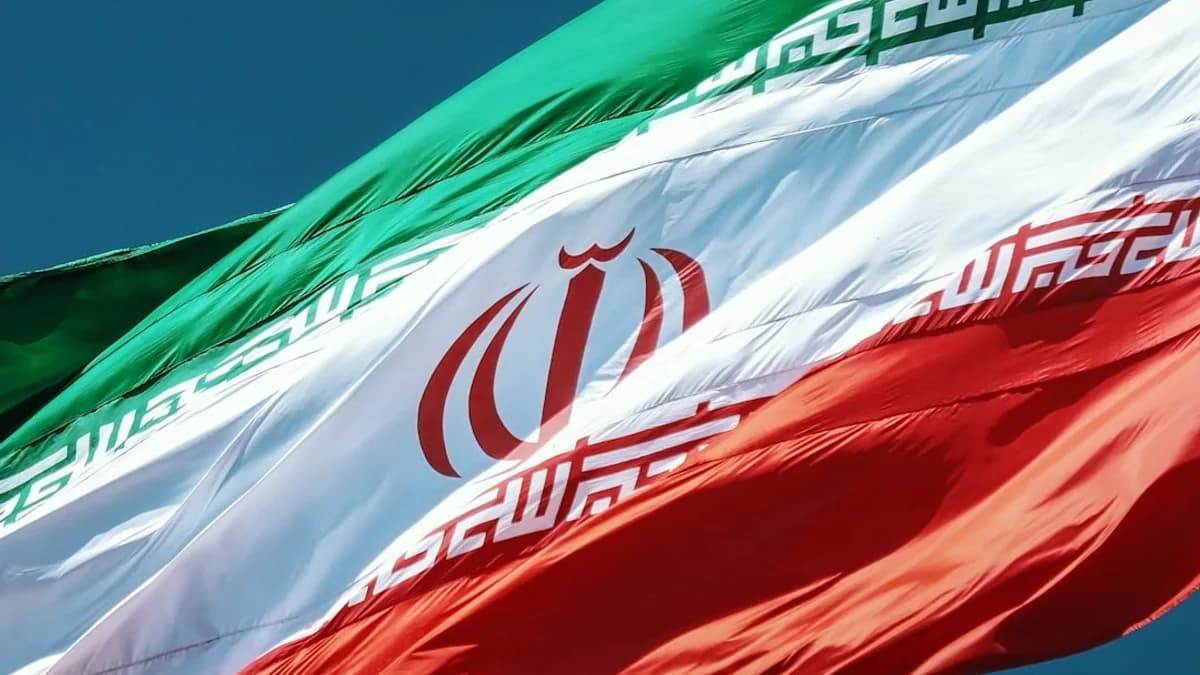
On the geopolitical front, Iran’s top diplomat met with China’s Wang Yi in Beijing, with China publicly pressing for a “comprehensive ceasefire” and reopening the Strait of Hormuz. This comes days ahead of a planned Trump-Xi summit, raising odds of coordinated U.S.-China pressure on Iran to avoid escalation as reported by Bloomberg.
De-Escalation Moves: This Isn’t 2019’s Tanker Crisis
Diplomatic headlines have triggered strong rallies before, but the scale and speed of this move rival the July 2019 tanker crisis, when S&P 500 futures swung 2.6% in 48 hours on Strait of Hormuz shutdown fears. This week’s 1.2% overnight jump on Iran-China talks and Trump’s Hormuz pause is outsized—by comparison, the S&P 500 typically averages a 0.3% move on major Middle East headlines, based on 2012-2023 data.
Crude’s 3% drop is the sharpest post-diplomacy unwind since the 2016 Iran nuclear deal headlines, when WTI fell 2.7% intraday. The difference: Today’s move comes with China explicitly warning Iran against renewed conflict, which was absent in both 2019 and 2016. In 2019, all eyes were on U.S. warship deployments. Now, Beijing is leveraging its economic ties (Iran is China’s third-largest oil supplier, with $12.5B in annual trade) to extract diplomatic concessions source: WSJ.
Tech’s reaction adds another historical wrinkle. AMD’s surge mirrors the 2023 post-Nvidia earnings rally (+24% in a day) but with a sector rotation twist: Intel failed to participate, up just 3% on sympathetic buying, while Palantir shed 7% after guidance disappointed.
Key Technical Levels: S&P 500 and AMD Enter Inflection Zones
The S&P 500’s 5,250 resistance—tested three times in April—now faces a fourth assault. Bulls point to a breakout above 5,310 (March highs) as confirmation for a renewed trend, while 5,120 remains key support. Nasdaq futures clearing 18,000 is technically significant, capping a four-week sideways range and opening room to retest all-time highs at 18,464.
Crude’s breakdown below $80 unclogs a two-month congestion zone. If de-escalation sticks, next support sits at $76.80, the 200-day moving average. But a reversal on renewed headlines could snap prices back above $82 in hours.
AMD’s 15% post-earnings spike stops just shy of the $166 resistance set in March. A clean break would target $179 (2023 highs), but options data show heavy call open interest at $170, suggesting potential for a gamma squeeze if momentum funds pile in. On the downside, $145 is firm support, with last week’s gap-fill at $139 as a final line in the sand.
Technical Patterns to Watch
- S&P 500: Triple-top formation at 5,310, but positive RSI divergence suggests buying pressure building.
- Nasdaq: Bullish engulfing candle on futures; next stop is 18,464 if 18,000 holds.
- Crude: Descending triangle breakdown, but volume profile hints at buyers from $77 down.
- AMD: Bullish cup-and-handle pattern; $170 is the breakout trigger, but volatility is 60% above its 6-month average.
What’s Driving the Move: AI, Geopolitics, and Cross-Border Capital Flows
This rally isn’t just about peace headlines. AMD’s guidance beat—driven by AI data center revenue surging 44% YoY—underscored Wall Street’s conviction that generative AI capex is neither cyclical nor niche. Management guided Q2 revenue to $6.5B-$6.7B (midpoint 8% above consensus), citing hyperscale cloud demand and new Epyc server wins according to Barron's.
China’s diplomatic push comes as the country faces its own economic soft patch, with Q1 GDP slowing to 4.3% annualized and exports down 2.8% YoY. Beijing’s public warning to Iran is as much about energy price stability as regional peace: a $5 drop in oil saves China $3.8B per month in import costs.
Trump’s pause of the Hormuz mission signals the White House is seeking de-escalation ahead of the Beijing summit, with U.S. Treasury yields falling 8 bps as safe haven flows reverse source: Reuters. The S&P 500’s risk-on rotation saw financials and tech lead, while defense stocks like Lockheed Martin dropped 4% on reduced war premium.
Cross-Asset Flows
- U.S. 10Y: Yields drop from 4.49% to 4.41% in 24 hours.
- VIX: Volatility index falls from 17.9 to 15.4, lowest since March.
- Gold: Slips $42 to $2,261/oz as haven demand fades.
Bulls vs. Bears: What Matters from Here
Bull Case: S&P 500 at 5,500, AMD at $180, Crude Stuck Below $80
Bulls argue that coordinated China-U.S. diplomacy will keep Iran in check, reopening the Strait of Hormuz and crushing the war premium in energy markets. If oil holds below $80, U.S. CPI prints should surprise on the downside, giving the Fed room to cut rates by September. Tech earnings momentum continues, with AMD and Nvidia driving AI capex and S&P 500 EPS growth above 9% for Q2.
This scenario implies S&P 500 at 5,500 by late Q2, Nasdaq at all-time highs, and AMD breaking $180 as cloud providers accelerate AI server orders. Capital inflows into EMs like India and Korea could accelerate as oil-importing economies benefit from energy relief.
Bear Case: False Dawn—Volatility Returns, Risk Reverses
Bears warn that Iran diplomacy could unravel fast—Tehran’s hardliners remain hostile, and China’s leverage has limits. A single incident in the Gulf could spike crude above $85, reigniting stagflation fears. If AMD’s AI server guidance proves over-optimistic, a tech-led momentum unwind could drag the Nasdaq back to 17,250 and S&P 500 to 5,000.
On the macro side, sticky U.S. wage inflation or a hawkish Fed minutes could puncture the “Fed pivot” narrative. In that scenario, gold rebounds above $2,350 and VIX retests 20. For AMD, a failed breakout below $145 could see shares back to $130, retracing the entire post-earnings move.
Prediction: Diplomatic Momentum Holds—For Now, but Volatility Isn’t Dead
The sheer scale of diplomatic and earnings catalysts points to a sustained risk-on rally in the short term. With China and the U.S. both pressing for Strait of Hormuz de-escalation, odds favor continued pressure on oil and a bid for high-beta tech. S&P 500 should break above 5,310 in the next week, with AMD testing $170-175 by Friday if data center orders stay firm.
But the rally’s durability will hinge on follow-through from the Trump-Xi summit and any hard data on Hormuz shipping. Volatility will return on the first sign of deal slippage or AI capex disappointment. Until then, this is a trader’s market: momentum is back, but so is the headline risk.
Long-term investors should watch for new flows into energy-importing emerging markets, and monitor whether AI-driven earnings justify tech’s stretched multiples.
Bottom line: Diplomatic headlines and AI megatrends have aligned to spark a powerful risk rally, but history says to expect sharp reversals if peace or profits stumble. Stay nimble—this tape rewards speed, not complacency.