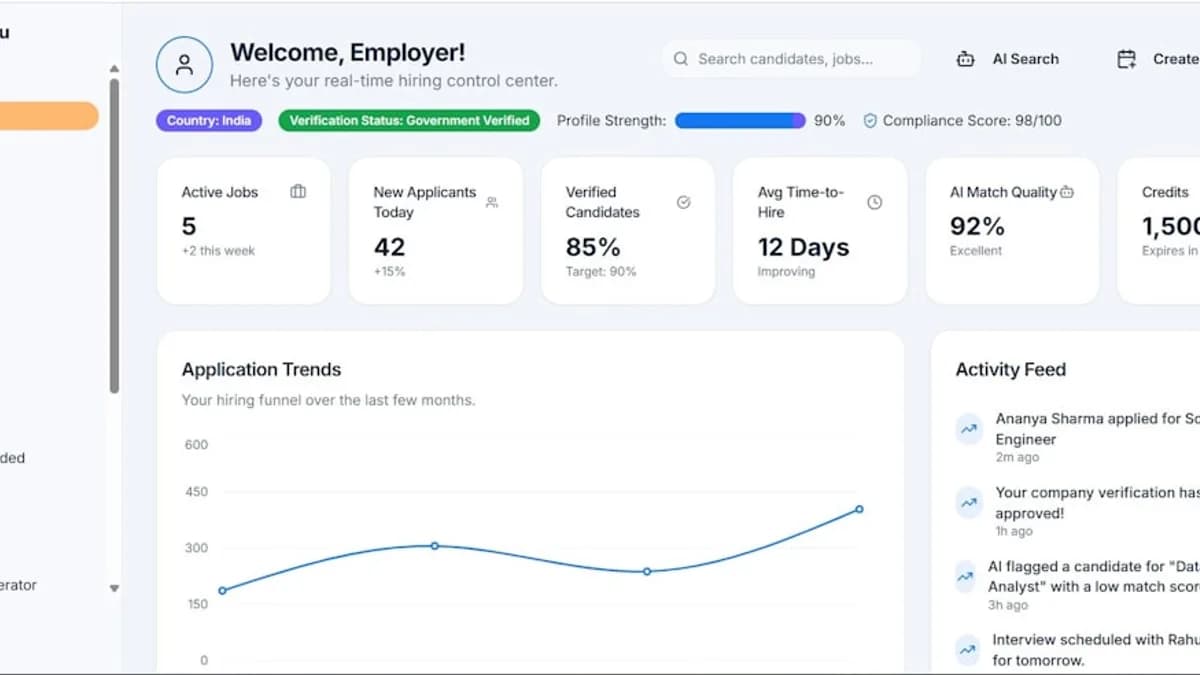
Choosing a data analytics platform that meets GDPR and CCPA requirements is a critical decision for any organization operating in regulated markets. Non-compliance can result in severe legal and financial consequences, not to mention loss of reputation and customer trust. This guide provides a step-by-step approach to evaluate data analytics platforms for GDPR compliance, using real-world examples and features based on the latest industry research as of 2026.
Overview of GDPR and CCPA Requirements for Analytics
Understanding the regulatory landscape is the first step when you need to evaluate data analytics platforms for GDPR compliance. The General Data Protection Regulation (GDPR) is a comprehensive law aimed at protecting personal data and privacy for individuals within the European Union (EU). The California Consumer Privacy Act (CCPA) provides similar protections for residents of California, USA.
Core Requirements for Analytics Platforms
GDPR Compliance in data analytics means platforms must facilitate:
- User Consent: Explicit, informed consent before collecting or processing personal data.
- Data Minimization: Only necessary data for specified purposes should be collected.
- Secure Data Handling: Robust security measures to protect against breaches or unauthorized access.
- Right to Access and Erasure: Users must be able to access their data and request its deletion.
- Cross-Border Transfers: Data leaving the EU must have adequate safeguards.
CCPA Compliance closely mirrors these principles, focusing on transparency, consumer rights, and secure handling of personal information.
Key Insight:
"Failure to comply with GDPR can result in severe consequences, including fines of up to €20 million or 4% of global annual revenue, whichever is higher. Beyond financial penalties, non-compliance damages a company's reputation, erodes customer trust, and can lead to operational disruptions."
— 5 Best GDPR Compliant Analytics Tools in 2026
Common Compliance Challenges in Data Analytics Platforms
Many organizations struggle with compliance due to the inherent complexity of data analytics systems. Key challenges include:
- Obtaining and Managing Consent: Ensuring all analytics tracking is preceded by valid user consent.
- Data Over-Collection: Platforms may collect more data than necessary, violating the data minimization principle.
- Data Transfer Risks: Use of cloud-based analytics can involve cross-border data transfers, which require special safeguards under GDPR.
- Lack of Transparency: Difficulty in tracing how data flows through multiple integrations and storage systems.
- Inadequate Tools for Data Subject Requests: Not all platforms provide easy mechanisms for users to access or delete their data.
- Misconfigured Analytics Solutions: Even platforms with compliance-ready features (like Google Analytics 4) require careful configuration and regular audits.
Expert Warning:
"Google Analytics 4 (GA4) is designed with enhanced privacy controls that can support GDPR compliance, but it is not automatically GDPR-compliant. Compliance largely depends on how businesses configure and use the platform."
— 5 Best GDPR Compliant Analytics Tools in 2026
Key Features to Look for in Compliance Evaluation
When evaluating data analytics platforms for GDPR and CCPA compliance, focus on these essential features:
| Feature | Importance for GDPR/CCPA | Example from Source Data |
|---|---|---|
| Consent Management | Legal requirement | Explicit consent before tracking (GA4 Consent Mode) |
| Data Minimization Controls | Prevents over-collection | Ability to limit data fields sent to analytics |
| Data Retention Settings | Supports right to erasure, limits exposure | Customizable data retention in GA4 |
| Access and Deletion Tools | Enables user rights | Tools to manage user data requests (GA4) |
| Encryption & Secure Storage | Protects against breaches | Secure data handling as a core requirement (Improvado) |
| Audit Trails & Data Lineage | Ensures transparency and traceability | Real-time compliance tracking (Improvado) |
| Cross-Border Transfer Safeguards | Required for EU data leaving the EU | Standard Contractual Clauses for GA4 data transfers |
| Integration & Harmonization | Reduces risk in complex environments | 500+ integrations with harmonization (Improvado) |
| Vendor Transparency | Proves ongoing commitment to compliance | Certifications and documentation |
Data Encryption and Access Controls
Encryption and access controls are foundational to GDPR and CCPA compliance. Both regulations require organizations to protect personal data against unauthorized access, loss, or disclosure.
What to Look For
- Encryption at Rest and in Transit: Ensures data cannot be read if intercepted or stolen.
- Role-Based Access Controls (RBAC): Restricts access to personal data only to authorized users.
- Secure Data Storage: Platforms should support secure connections to data warehouses and other storage solutions.
Example:
Improvado emphasizes secure data handling, providing enterprise-grade storage solutions and data warehouse management.
Actionable Tip:
"Implementing robust security measures to protect user data from breaches or unauthorized access" is a non-negotiable for GDPR compliance in analytics platforms.
Audit Trails and Data Lineage Capabilities
Audit trails and data lineage features help organizations track how data moves through their analytics ecosystem—crucial for demonstrating compliance during audits.
Core Capabilities
- Comprehensive Logging: Records all data access, modifications, and transfers.
- Real-Time Compliance Monitoring: Detects anomalies, unauthorized access, or policy violations as they happen.
- Automated Alerts: Notifies administrators of suspicious or non-compliant activities.
Example:
Improvado offers real-time performance tracking, campaign safety, and compliance monitoring. It issues alerts for anomalies or metric drips, helping teams respond quickly to potential compliance issues.
Key Insight:
"Improvado provides a robust solution for campaign performance, brand safety, and data compliance tracking. It monitors adherence to pre-defined rules, paces metrics, and issues alerts for any anomalies, problems, or metrics drips."
Consent Management and Data Subject Rights
Both GDPR and CCPA require organizations to give users control over their data. This involves:
- Obtaining Explicit User Consent: Before any tracking or data collection.
- Consent Mode Configuration: Ability to adjust what data is collected based on user opt-in/out.
- Support for Data Subject Requests: Mechanisms for users to access, modify, or delete their data.
Example: Google Analytics 4
| Consent Feature | Available in GA4? | Details |
|---|---|---|
| Consent Mode | Yes | Adjusts tracking based on user consent |
| IP Anonymization | Automatic | Reduces risk of collecting PII |
| Access/Deletion Requests | Supported | Provides tools to manage user data requests |
| Data Retention Controls | Customizable | Aligns with GDPR requirements |
Implementation Steps for GA4:
- Obtain User Consent: Use a compliant cookie consent banner.
- Configure Consent Mode: Adjust analytics tracking per user preferences.
- Avoid Sending PII: Never send emails, names, or similar identifiers.
- Regular Audits: Review new tracking elements for compliance.
- Review Data Transfers: Use Standard Contractual Clauses for EU-US transfers.
Critical Warning:
"While GA4 offers tools to facilitate GDPR compliance, recent rulings in some EU countries have questioned the legality of data transfers to the U.S. under GDPR. Businesses should evaluate their specific data use cases, implement appropriate safeguards, and consult legal experts when necessary."
Vendor Transparency and Certification Checks
Transparency is key when selecting analytics vendors. You must be able to verify their compliance claims and ongoing efforts.
What to Ask Vendors
- Certifications: Look for proof of audits, such as ISO 27001 or similar data security certifications.
- Documentation: Ask for clear, up-to-date privacy policies, data processing agreements, and compliance roadmaps.
- Support for Data Subject Rights: Confirm platform capabilities for handling access, deletion, and consent withdrawal requests.
- Data Transfer Safeguards: Ensure mechanisms (like Standard Contractual Clauses) are in place for cross-border transfers.
Vendor Due Diligence:
"It is the image user's responsibility to ensure that any use of this image complies with any relevant licenses for all software contained within."
— datadog/agent - Docker Image
Case Studies of Compliance Implementation
Case: Improvado for GDPR-Compliant Marketing Analytics
Improvado is a privacy-focused analytics solution enabling brands to aggregate, store, and analyze data across channels and regions, while ensuring full GDPR compliance.
Notable Features:
- Data Integration: Connects to over 500+ marketing and sales platforms, supporting both online and offline data sources.
- Data Harmonization: Automated deduplication, cleansing, and mapping for analysis-ready datasets.
- Flexible Storage: Loads data into the storage or BI solution of your choice, with enterprise-grade management options.
- Pre-Built Dashboards: For instant analysis of marketing attribution, paid search, and more.
- Real-Time Compliance Tracking: Monitors data flows and issues alerts for compliance anomalies.
Case: Google Analytics 4 (GA4)
GA4 is widely used but requires careful configuration to be GDPR-compliant:
- IP Anonymization is enabled by default.
- Data Retention is customizable.
- Consent Mode allows data collection to adapt to user consent status.
- Compliance risks: Recent EU rulings have challenged the legality of cross-Atlantic data transfers.
| Platform | GDPR Features | Compliance Limitations |
|---|---|---|
| Improvado | Consent, minimization, real-time monitoring | No major limitations reported in source data |
| GA4 | Consent mode, IP anonymization, data control | Data transfer to US may violate EU rulings |
Checklist for Platform Evaluation
Use this checklist to systematically evaluate data analytics platforms for GDPR and CCPA compliance:
Consent Management
- Obtain explicit user consent before data collection.
- Ability to honor consent withdrawal.
Data Minimization
- Limit collection to strictly necessary data fields.
Secure Data Handling
- Encryption at rest and in transit.
- Secure storage options.
User Rights Support
- Tools for user data access, rectification, and deletion requests.
Data Retention Controls
- Customizable retention periods to minimize exposure.
Audit Trails and Monitoring
- Real-time tracking of data access and modifications.
- Automated alerts for policy breaches.
Cross-Border Data Transfer Safeguards
- SCCs or other mechanisms for non-EU data transfers.
Vendor Transparency
- Certifications, documentation, and clear privacy policies.
| Evaluation Item | Improvado | GA4 |
|---|---|---|
| Explicit Consent Management | Yes | Yes |
| Data Minimization Controls | Yes | Yes |
| Encryption & Secure Storage | Yes | Not specified in source |
| User Rights Support | Yes | Yes |
| Audit Trails & Real-Time Alerts | Yes | Not specified in source |
| Cross-Border Safeguards | Not specified | Requires SCCs |
| Certifications | Not specified | Not specified |
Conclusion and Best Practices
To evaluate data analytics platforms for GDPR compliance in 2026, organizations must prioritize privacy by design. While platforms like Improvado and Google Analytics 4 offer tools to support compliance, the ultimate responsibility lies with how these tools are configured and used.
Best Practices
- Always obtain explicit user consent before tracking or data collection.
- Regularly audit platform configurations and data flows for compliance.
- Limit data collection to what is strictly necessary for your business purposes.
- Ensure robust encryption and secure storage at all stages of data processing.
- Monitor data access and modifications in real-time to quickly address policy breaches.
- Stay updated on regulatory changes and consult legal experts when needed.
Bottom Line:
Not all analytics platforms are equally equipped for GDPR and CCPA compliance. Evaluate features such as consent management, data minimization, secure storage, auditability, and vendor transparency. Tools like Improvado stand out for their comprehensive, privacy-centric approach, while GA4 requires careful configuration and ongoing vigilance for cross-border data transfer compliance.
FAQ: Evaluating Data Analytics Platforms for GDPR and CCPA Compliance
Q1: Is Google Analytics 4 automatically GDPR compliant?
A1: No, GA4 is not automatically GDPR compliant. Compliance depends on proper configuration, including obtaining explicit user consent, enabling IP anonymization, and limiting data collection. [Source: Improvado]
Q2: What are the consequences of non-compliance with GDPR in analytics?
A2: Non-compliance can lead to fines of up to €20 million or 4% of global revenue, as well as reputational damage and operational disruptions. [Source: Improvado]
Q3: How does Improvado support GDPR compliance?
A3: Improvado offers privacy-focused data integration, automated harmonization, secure storage, real-time compliance monitoring, and alerting for anomalies. [Source: Improvado]
Q4: What technical controls are required for GDPR compliance in analytics?
A4: Essential controls include encryption, role-based access, customizable data retention, comprehensive audit trails, and automated alerts for abnormal activities. [Source: Improvado]
Q5: Are cross-border data transfers allowed under GDPR?
A5: Yes, but only with appropriate safeguards, such as Standard Contractual Clauses, especially when transferring data from the EU to non-EU countries. [Source: Improvado]
Q6: What features should I prioritize in my analytics platform evaluation?
A6: Focus on consent management, data minimization, secure storage, user rights support, audit trails, and vendor transparency/documentation. [Source: Improvado]
The bottom line:
Evaluating data analytics platforms for GDPR compliance is a multi-faceted process. The right platform will provide robust tools for consent, minimization, security, transparency, and compliance monitoring. However, achieving and maintaining compliance is an ongoing responsibility—regular audits, staff training, and staying ahead of regulatory changes are essential for sustainable, privacy-centric analytics in 2026 and beyond.