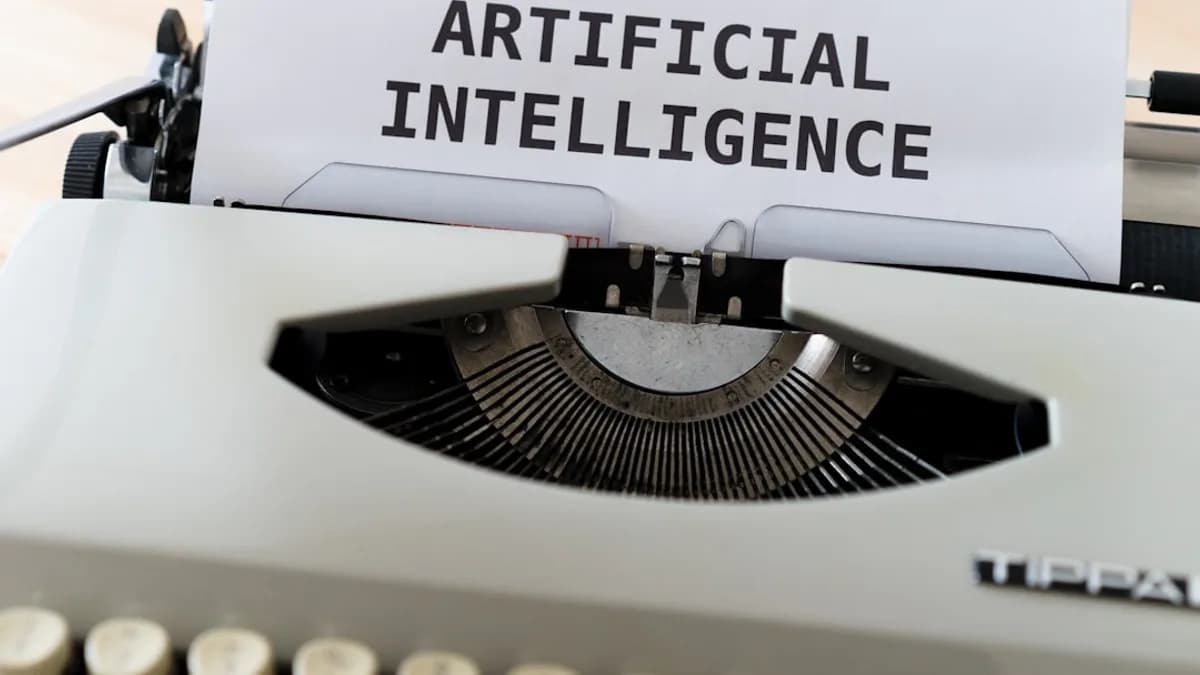
Academic writing in 2026 remains a challenging, detail-oriented endeavor—especially as research expectations and publication standards grow ever more demanding. From the laborious literature review to the painstaking citation formatting and the imperative to maintain originality, researchers face pressure at every step. Fortunately, the rise of AI writing tools for academic research is fundamentally transforming the scholarly workflow. In this comprehensive guide, we analyze the best AI tools, their features, and practical strategies for integrating them into your research process, all based on the latest real-world evaluations and expert insights.
Challenges in Academic Writing
Academic writing is rigorous, requiring not only mastery of complex subject matter but also strict adherence to formatting, citation, and ethical guidelines. Researchers and students encounter several persistent hurdles:
- Literature Overload: Sifting through thousands of publications to find relevant, high-quality papers.
- Clarity and Precision: Writing in formal, academic language that conveys arguments clearly.
- Citation Management: Ensuring correct citation formats and avoiding accidental plagiarism.
- Time Constraints: Balancing research, writing, and other academic responsibilities.
“The mountain of literature to review, the pressure to write with clarity, and the tedious task of formatting citations can be overwhelming.”
— Journal Impact Factor, 2025
AI writing tools for academic research aim to address these challenges by automating repetitive tasks, enhancing writing quality, and streamlining the research process.
How AI Writing Tools Support Academic Research
AI writing tools for academic research are no longer just fancy grammar checkers. They function as intelligent assistants, supporting key phases of academic work:
- Literature Discovery & Review: Automating searches, summarizing papers, and extracting structured data (e.g., Elicit, Paperpal).
- Drafting Manuscripts: Providing language refinement, paraphrasing, and context-aware suggestions (e.g., Paperpal, Jenni AI).
- Citation & Reference Management: Automatically generating accurate citations in thousands of styles (e.g., Paperpal, Jenni AI).
- Transcription & Summarization: Converting audio/video interviews or lectures into searchable, summarized text (e.g., SpeakNotes).
- Plagiarism and Submission Readiness: Checking for originality and compliance with journal requirements.
By reducing manual effort and minimizing the risk of errors, these tools enable researchers to focus on critical thinking and original analysis.
Features to Consider for Academic Use
Not all AI writing tools are equally suited for scholarly work. When selecting a solution, pay attention to features specifically tailored for academic research:
| Feature | Why It Matters for Academics |
|---|---|
| Academic Language Support | Ensures corrections and suggestions match formal academic tone. |
| Research Integration | Ability to find, cite, and organize scholarly articles. |
| Citation Generation | Accurate, multi-style citation formatting (APA, MLA, etc.). |
| Plagiarism Detection | Prevents accidental reuse and maintains originality. |
| Summarization & Paraphrasing | Supports literature review and avoiding redundancy. |
| Workflow Integrations | Compatibility with tools like Zotero, Notion, Obsidian, or reference managers. |
| Multilingual Capabilities | Supports researchers working in or translating between multiple languages. |
Additional Considerations
- Accuracy & Reliability: Does the tool hallucinate or invent sources?
- Ease of Use: Is the interface suitable for non-technical users?
- Pricing and Value: Are free plans sufficient, or do paid tiers offer essential features?
- Academic Integrity: Does the tool support responsible usage and compliance with institutional guidelines?
Top AI Writing Tools for Academic Researchers in 2026
A number of platforms are purpose-built to streamline academic research and writing. Based on independent reviews and direct feature comparisons, here are the most recommended options:
| Tool | Best For | Key Features | Free Plan | Paid Plans | Limitations |
|---|---|---|---|---|---|
| Paperpal | End-to-end writing, editing, citation | Academic-specific language; 250M+ articles; plagiarism and AI detection; 10,000+ citation styles | Yes (limited) | From $25/month; annual $139 | Free tier strict; slow on large docs |
| Jenni AI | Drafting, overcoming writer’s block | AI autocomplete; in-text citation; research library; outline builder | Yes (200 AI words/day) | $12/month (annual) | No built-in plagiarism checker; may invent sources |
| SpeakNotes | Transcription, summarization | Audio/video transcription; intelligent summarization; integration with Notion, Obsidian | Yes (restricted) | $24.99/month; $149.99/year | Free plan limits file length |
| Elicit | Literature review, evidence synthesis | Literature search; structured data extraction; CSV, RIS, BIB export | Yes (limited credits) | $12/month | Mainly for review, not drafting |
| R Discovery | Literature search, staying updated | Personalized alerts; audio narration; translation | Yes | [Not detailed] | No writing tools, only discovery |
| Consensus | Evidence-based answers | Citation-backed responses; quick summaries | Yes | [Not detailed] | Less suited for in-depth study |
| Research Rabbit | Visual literature exploration | Citation maps; co-author networks | Yes | [Not detailed] | Less focus on structured synthesis |
Feature Comparison Table
| Tool | Academic Language | Citation Management | Plagiarism Check | Literature Review | Summarization | Integrations |
|---|---|---|---|---|---|---|
| Paperpal | Yes | Yes | Yes | Yes | Yes | Yes (PDF, reference) |
| Jenni AI | Yes | Yes | No | Yes | Yes | Yes (uploads) |
| SpeakNotes | N/A | N/A | N/A | Yes (via transcript) | Yes | Notion, Obsidian |
| Elicit | N/A | Yes (export) | N/A | Yes | Yes | Zotero, Mendeley |
“For serious researchers and students who want a single, powerful tool to manage everything from research to submission, Paperpal is the clear winner. Its academic-specific intelligence sets it apart from more generalist tools.” — Journal Impact Factor
Using AI for Literature Review and Summarization
Conducting a thorough literature review is foundational to academic research, but it can be time-consuming. AI tools now automate many steps:
Elicit: AI-Powered Literature Review
- Automates Evidence Synthesis: Searches databases, screens papers, extracts structured data into tables.
- Reduces Hallucination: Provides sentence-level citations and direct quotes.
- Exports for Reference Managers: Outputs to CSV, RIS, BIB for seamless workflow with Zotero, Mendeley.
- Best For: Systematic reviews, scoping reviews, and building structured data tables.
SpeakNotes: Transcribing and Summarizing Audio Content
- High-Accuracy Transcription: Converts lectures, interviews, and meetings into text in over 50 languages.
- Instant Summarization: Generates study guides, bulleted key takeaways, and flash cards.
- Workflow Integration: Syncs notes into Notion or Obsidian for easy reference.
Practical Tip:
Use SpeakNotes’ YouTube link feature to transcribe and summarize academic talks, building a searchable text database from video resources.
Paperpal’s Research and Summarization Tools
- Chat PDF: Ask questions, extract insights, and compare findings across documents.
- Summarization: Quickly condense long papers or sections for faster reading.
Citation and Reference Management with AI
Accurate citation is critical for academic integrity and publication acceptance.
Paperpal
- Cite Tool: Formats references in over 10,000 citation styles.
- Research Integration: Finds references from a verified database of 250M+ articles.
- Submission Checks: Ensures all citations are present and formatted correctly.
Jenni AI
- In-Text Citations: Assists with citing sources in over 1,700 styles based on uploaded PDFs and current research.
- Research Library: Organize and chat with your PDFs to extract citation information.
Elicit
- Structured Export: Generates citation data ready for reference managers (CSV, RIS, BIB).
Key Insight:
“AI citation tools can sometimes invent sources or present inaccuracies. Always verify AI-generated information.”
— Journal Impact Factor
Ethical Considerations and Plagiarism Checks
The increased use of AI in academic writing raises several ethical issues:
- Academic Integrity: Submitting AI-generated work as your own is considered misconduct.
- Disclosure: Many universities and publishers now require you to disclose if AI tools were used.
- Plagiarism Detection: Tools like Paperpal integrate plagiarism checkers (partnered with Turnitin) and AI detection.
- Verification: AI can fabricate or “hallucinate” sources; user verification is essential.
“The key is to use AI responsibly. Use it for brainstorming, summarizing, and editing, but never let it replace your own intellectual engagement.” — Journal Impact Factor
Best Practices
- Use AI for Support: Brainstorming, summarizing, and editing.
- Never Submit AI-Generated Content Uncritically: Always review, verify, and revise.
- Check Institutional Policies: Stay updated on disclosure and acceptable use guidelines.
Integrating AI Tools with Research Workflows
Seamless integration is crucial for efficiency. Here’s how top AI writing tools for academic research fit into modern workflows:
| Workflow Stage | Recommended Tools | Integration Features |
|---|---|---|
| Literature Discovery | R Discovery, Elicit | Personalized alerts, CSV/RIS/BIB export |
| Manuscript Drafting | Paperpal, Jenni AI | Drafting, editing, citation, paraphrasing |
| Note Taking | SpeakNotes | Transcription, summarization, Notion/Obsidian sync |
| Reference Management | Paperpal, Elicit | Citation export, manager integration |
| Submission Readiness | Paperpal | AI/plagiarism detection, journal checks |
Example Workflow
- Discover Papers: Use R Discovery or Elicit to find relevant articles.
- Extract & Summarize: Employ Elicit for structured data or SpeakNotes for audio content.
- Draft Manuscript: Write and refine using Paperpal or Jenni AI.
- Manage References: Organize and format citations via Paperpal or export from Elicit.
- Check for Plagiarism & Readiness: Run checks with Paperpal before submission.
User Tips for Maximizing AI Assistance
To get the most from AI writing tools for academic research:
- Free Tier: Test platforms like Paperpal, Jenni AI, and SpeakNotes with their free plans before committing to paid options.
- Verify Outputs: Always cross-check citations, paraphrases, and summaries.
- Use Workflow Integrations: Sync notes and transcripts with Notion or Obsidian for centralized knowledge management.
- Leverage Summarization: Use Elicit or SpeakNotes to condense large volumes of information.
- Customize Language Settings: For non-native English speakers, tools like Paperpal offer tailored language refinement.
- Stay Updated: Check for new features and institutional guidelines, as AI tools evolve rapidly.
FAQ
Q1: Are AI writing tools allowed in academic research?
A: Most universities and publishers permit AI writing tools for support (brainstorming, summarizing, editing) but require disclosure of their use. Submitting unedited AI-generated work is typically considered misconduct.
Q2: Which AI tool is best for literature review in 2026?
A: Elicit is highly recommended for systematic literature reviews, evidence synthesis, and structured data extraction, offering CSV/RIS/BIB export for reference managers.
Q3: How accurate are AI citation generators?
A: Tools like Paperpal and Jenni AI support thousands of citation styles and pull from verified databases, but users must always verify citations as AI can occasionally invent or misattribute sources.
Q4: Can AI tools check for plagiarism?
A: Paperpal integrates plagiarism checks (partnered with Turnitin) and AI detection, making it suitable for ensuring originality and submission readiness.
Q5: Is there a free AI tool for academic transcription?
A: SpeakNotes offers a free tier with limited transcription length and summarization features; paid plans unlock unlimited transcription and advanced outputs.
Q6: How do AI tools integrate with reference managers?
A: Elicit and Paperpal export citations in formats compatible with Zotero, Mendeley, and other managers, streamlining the referencing process.
Conclusion: Enhancing Research Productivity with AI
The landscape of academic research in 2026 has been revolutionized by AI writing tools for academic research. From accelerating literature reviews and automating transcription to refining manuscripts and managing citations, these platforms save researchers countless hours and elevate the quality of scholarly work. The most effective tools—Paperpal, Elicit, SpeakNotes, and Jenni AI—combine academic-specific intelligence, robust integrations, and ethical safeguards, ensuring that AI augments, rather than replaces, critical scholarly engagement.
“With increasing adoption of AI tools for academic research, many tasks that were once labor-intensive can now be completed more swiftly and effortlessly. This shift has transformed what was a largely manual process into a quicker, more efficient one, enabling researchers to dedicate more time to ideating and less to repetitive activities.” — Paperpal Blog, 2026
By choosing the right tools, verifying outputs, and adhering to ethical guidelines, researchers can harness the full potential of AI—making academic writing more efficient, accurate, and impactful than ever before.