Introduction to YouTube’s AI Deepfake Detection for Celebrities
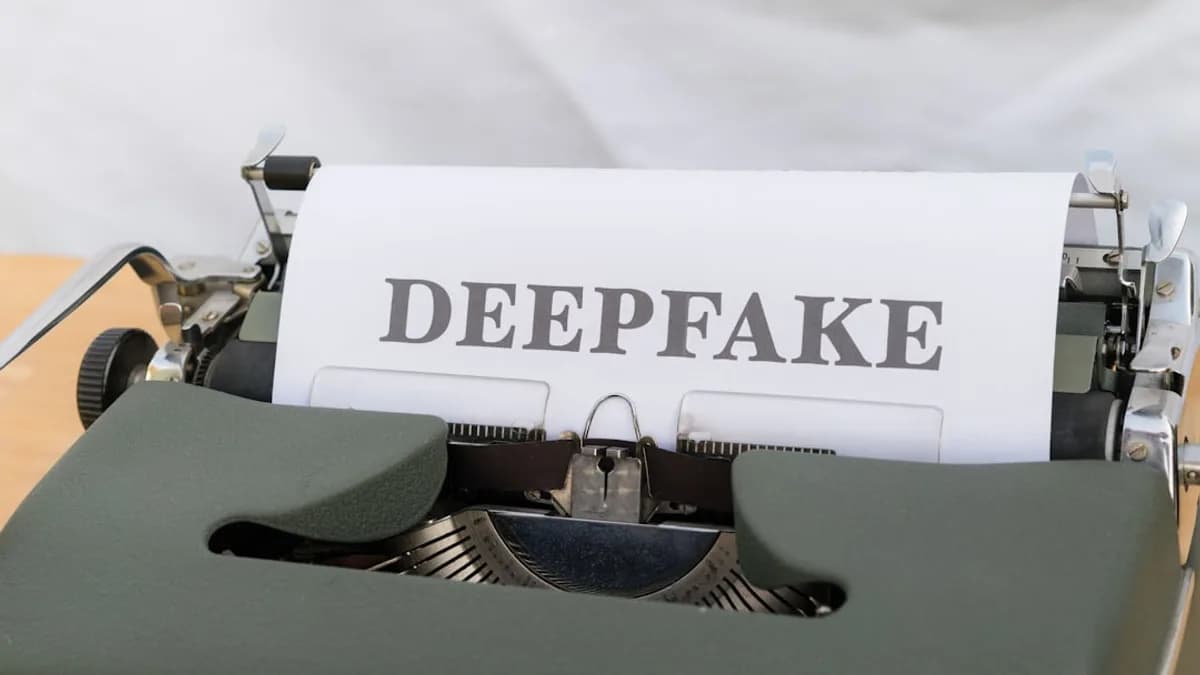
YouTube is rolling out a new tool that helps celebrities find and ask for the removal of AI deepfake videos made about them. This matters because deepfakes can trick people, damage reputations, and spread false stories fast. Not long ago, YouTube started testing this feature with content creators. Then, they expanded it to politicians and journalists in March. Now, big names in Hollywood and other famous faces get access too [Source: The Verge].
AI deepfakes have become a big headache for public figures. They can make it look like someone said or did something they never did. With more people using AI to make convincing videos, YouTube’s tool aims to give celebrities a way to fight back. It’s a big step as social media companies try to keep up with AI’s rapid growth. The goal is simple: help famous people keep better control over how they appear online.
Understanding YouTube’s Likeness Detection Tool for AI Deepfakes
YouTube’s likeness detection tool works by scanning videos uploaded to its platform for signs of AI manipulation. It uses machine learning to spot videos where a person’s face or voice has been faked using AI. The system looks for clues like unnatural movements, odd voice patterns, or mismatches between audio and visuals. When the system finds a possible deepfake, it flags it for review.
A flagged video might show a celebrity in a strange situation, saying things they never said, or acting in ways that don’t match their real behavior. The detection tool tries to tell the difference between real videos and deepfakes by checking for digital fingerprints and comparing them with known images or recordings of the person.
But the tool isn’t perfect. It can miss some deepfakes, especially as creators get better at hiding their tracks. Also, it only works for public figures who sign up for the program. If a flagged video breaks YouTube’s privacy rules, it may be taken down. But not every flagged video will be removed — YouTube reviews each request carefully and weighs it against its privacy policy [Source: The Verge].
This tool is a start, but celebrities still need to watch their online presence closely. It doesn’t catch everything, and sometimes real videos get flagged by mistake. Still, the tool helps make the fight against deepfakes a bit easier.
Step-by-Step Guide for Celebrities to Enroll in YouTube’s Deepfake Monitoring Program
If you’re a celebrity or well-known public figure, you can now sign up for YouTube’s deepfake monitoring program. Here’s how you get started:
1. Check Eligibility:
You must be a public figure. This usually means you’re famous in entertainment, sports, politics, journalism, or another field with a big audience. YouTube may ask for proof of your identity and status.
2. Apply or Register:
Go to YouTube’s privacy tools page. Find the section for likeness detection or deepfake monitoring. Fill out the form with your name, links to your official channels, and contact info. If you have a manager or agent, they can help you with this step.
3. Verification:
YouTube will check your application. They may ask for extra details to confirm you’re really the person you claim to be. This can take a few days.
4. Setting Up Notifications:
Once approved, you’ll get access to the monitoring dashboard. Here, you can set up alerts. Choose how often you want to get notifications — daily, weekly, or as soon as a flagged video pops up.
5. Monitoring Content:
The dashboard shows videos flagged as possible deepfakes. You can review each one. If you see something wrong, you can start the removal process.
Tips:
- Keep your contact info updated so you don’t miss alerts.
- Share access with your PR team or agent if you want help managing your likeness.
This setup lets you stay on top of AI content about you, so you’re not caught off guard when a fake video appears.
How to Request Removal of AI Deepfake Videos on YouTube
Once you spot a flagged deepfake video about yourself, you can ask YouTube to take it down. Here’s how the takedown process works:
1. Identify the Video:
Find the video in your dashboard. Make sure it’s a deepfake — check for signs like odd voice, weird movement, or things you never said or did.
2. Submit a Takedown Request:
Click on the video and fill out the removal form. Give clear reasons why it’s a deepfake and how it harms your privacy or reputation.
3. Add Evidence:
Upload proof to help YouTube decide. This can be:
- Official photos, interviews, or videos showing your real face and voice.
- Statements from your PR team or manager explaining the differences.
- Expert reports if you have them.
4. YouTube’s Evaluation:
YouTube reviews your request based on its privacy rules. They check if the video uses your likeness in a way that breaks their policy. Not every request is approved. For example, satire or parody videos may stay up if they don’t cross privacy lines [Source: The Verge].
5. Outcome:
If YouTube agrees, the video will be removed. If not, they’ll tell you why and let you appeal if needed.
Tips for Success:
- Be clear and detailed in your request.
- Point out anything that proves the video is fake.
- Respond fast to alerts so videos don’t spread.
This process isn’t instant, but it gives celebrities a way to push back against AI fakes on YouTube.
Best Practices for Managing Your Digital Likeness and Protecting Your Reputation
Even with YouTube’s tool, celebrities should keep a close eye on their online image. Here are some smart steps to follow:
Monitor Everywhere:
Check other platforms besides YouTube, like TikTok, Instagram, and Twitter. Set up Google Alerts for your name to spot new content fast.
Talk to Your Fans:
Use your official channels to clear up confusion. If a deepfake spreads, post a real video or statement to explain what’s true and what’s fake.
Get Legal Help:
Work with a lawyer who understands digital media and privacy. They can help you handle tough cases and write formal takedown letters.
Hire Professional Services:
Consider using a reputation management company. They can track your likeness across the web, spot deepfakes, and help fix false stories.
Stay Informed:
Learn about new AI tools and risks. The more you know, the better you can protect yourself.
These steps help you keep your reputation strong and stay ahead of new threats from AI deepfakes.
Implications of YouTube’s AI Deepfake Detection for the Entertainment Industry
YouTube’s deepfake detection tool could change how celebrities handle AI content. Now, stars have more control and can push back when fakes pop up. Before, many had no way to stop false videos from spreading fast. This tool gives them a chance to catch deepfakes early and ask for removal.
For AI content creators, the tool sets clearer rules. It means they need to be careful about making videos using real people’s faces or voices. Some creators may have to label their work as parody or satire to avoid takedowns.
In the bigger picture, this move may push other platforms to build similar tools. As AI gets better at making fakes, social media companies will need stronger ways to spot and manage them. We might see more partnerships between tech firms, legal teams, and celebrities to fight digital impersonation.
Looking ahead, YouTube may expand the tool to cover more people or add features like real-time alerts, better detection, or ways for regular users to spot deepfakes. As the entertainment industry faces new AI challenges, these tools will help keep the balance between creative freedom and protecting real identities.
Conclusion: Empowering Celebrities to Combat AI Deepfakes on YouTube
YouTube’s new deepfake detection program offers celebrities a way to track and fight AI fakes that use their faces and voices. While the tool isn’t perfect, it’s a big step forward. It helps public figures keep a closer watch on their digital likeness and ask for removal when needed [Source: The Verge].
Celebrities should use this tool—and others—to protect their image. Staying alert, talking to fans, and getting legal support can help stop false stories from spreading. As AI keeps growing, so will these problems. But with smarter tools and proactive steps, famous people can keep their reputations safe and show others how to handle digital risks.
The fight against deepfakes is just starting. As more platforms follow YouTube’s lead, public figures will get more ways to control their online image and stay ahead of AI threats.
Why It Matters
- AI deepfakes can seriously harm celebrities by spreading false information and damaging reputations.
- YouTube's new tool empowers public figures to protect their likeness and control how they appear online.
- This move signals that social media platforms are taking AI risks more seriously and working to combat misuse.