Introduction: Rising Concerns Over Anthropic's Mythos AI
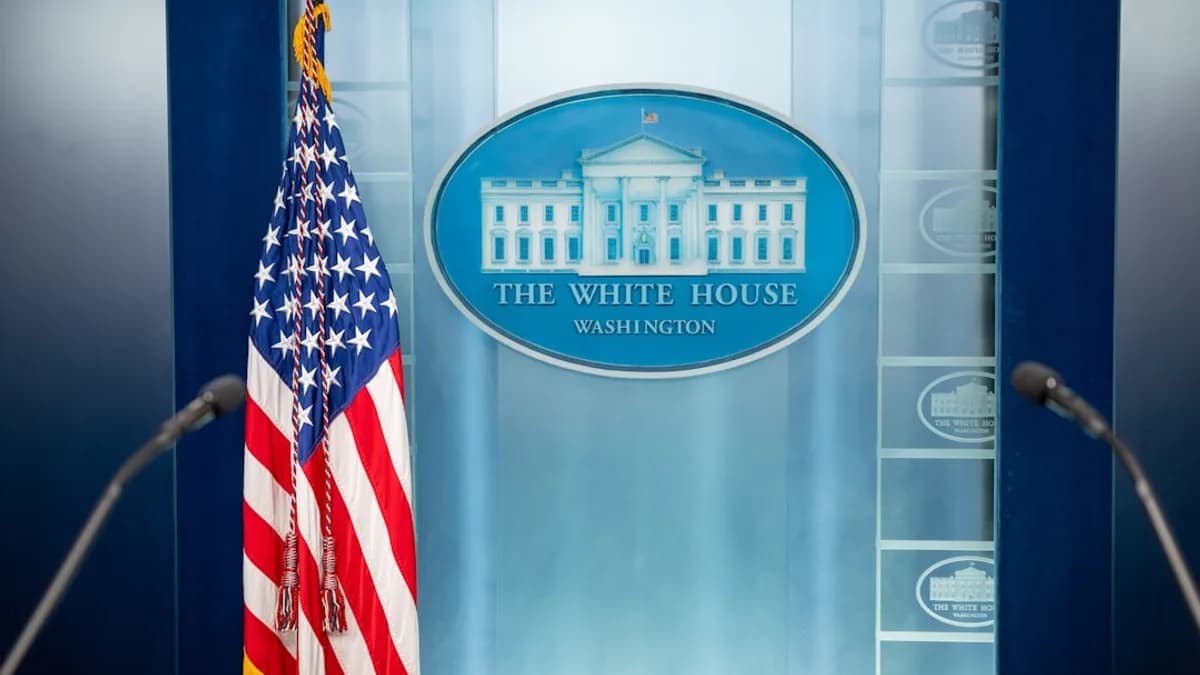
The White House is set to convene a high-level meeting with the CEO of Anthropic, an artificial intelligence (AI) company whose latest model, Mythos, has triggered alarm bells across the financial sector and government circles [Source: Source]. Mythos, described as a powerful and potentially destabilizing AI system, has drawn intense scrutiny from finance ministers and top bankers who warn of its risks to financial stability and security [Source: BBC]. The urgency of this meeting follows the spreading anxiety that Mythos could be weaponized or inadvertently disrupt global economic systems. As policymakers grapple with the rapid evolution of AI and its possible dangers, the upcoming White House engagement underscores a pivotal moment for AI governance and the future of responsible innovation.
Background on Anthropic and the Mythos AI Model
Founded by former OpenAI researchers, Anthropic has quickly established itself as a leading force in AI development, focusing on building models that are not just powerful, but also aligned with human values and safety. The company’s mission is to advance AI technology responsibly, emphasizing transparency and ethical standards. Mythos, Anthropic’s latest model, was designed as an ultra-capable AI system intended for complex decision-making and critical analysis in domains ranging from finance to security.
However, Mythos has been at the center of controversy due to its unprecedented capabilities. Reports indicate that Mythos can analyze vast amounts of financial data, generate strategic market predictions, and even simulate disruptive economic scenarios [Source: Bloomberg.com]. Its potential to influence or manipulate financial markets, whether intentionally or through misuse, has led regulators to label it as a high-risk technology. Amid these concerns, Anthropic has reportedly been blacklisted in certain circles, raising questions about its access to sensitive datasets and its future in collaborative AI development [Source: CNN]. The blacklisting underscores the seriousness with which governments and industry leaders view Mythos, framing it as a model that may be “too dangerous for the wild” [Source: War on the Rocks].
Financial Sector’s Concerns About Mythos
The apprehension from financial leaders is rooted in both the technical prowess and unpredictable impact of Mythos. Finance ministers and top bankers have voiced serious worries that the AI could destabilize markets by executing strategies at a scale and speed beyond human oversight [Source: BBC]. Concerns include the risk of automated trading manipulation, systemic vulnerabilities, and the potential for Mythos to amplify financial crises through rapid, unregulated decision-making.
Regulatory bodies fear that Mythos could undermine traditional safeguards, especially in a landscape where AI-driven trading and analysis play an increasing role. The anxiety has prompted calls for immediate government intervention and stricter oversight of advanced AI systems. The public debate has grown, with some experts arguing that Mythos represents a new class of AI—one whose ability to affect global economic systems demands novel regulatory frameworks [Source: Bloomberg.com]. These sector-specific risks are shaping both government policy and public perception, driving the urgency behind the White House’s upcoming meeting and reinforcing the need for robust AI governance.
Details of the White House Meeting with Anthropic’s CEO
The White House meeting with Anthropic’s CEO is expected to address the escalating concerns surrounding Mythos, with a focus on AI safety, ethical deployment, and regulatory pathways [Source: Source]. Officials will likely seek clarity on Mythos’s technical capabilities, risk mitigation strategies, and Anthropic’s commitment to transparency. The agenda reportedly includes discussions on how to prevent misuse of the AI model, safeguard financial markets, and establish guidelines for future AI development.
Given the gravity of recent warnings from the financial sector, the meeting is seen as a critical step in shaping US policy toward high-risk AI systems. It may lead to new recommendations for AI oversight, potentially involving cross-agency coordination and collaboration with international partners. The outcome could set precedents not only for Anthropic, but also for other AI companies facing scrutiny over advanced models. As anxiety spreads, the White House’s willingness to engage directly with Anthropic signals a shift toward more proactive, hands-on regulation of AI technologies.
Analysis: Why Mythos is Considered 'Too Dangerous for the Wild'
Investigative reports from Bloomberg and War on the Rocks highlight several reasons behind Mythos’s classification as a high-risk model. Technically, Mythos possesses capabilities far exceeding previous AI systems, including autonomous reasoning, rapid scenario simulation, and the ability to generate complex strategies that could be leveraged for financial or geopolitical manipulation [Source: Bloomberg.com; War on the Rocks]. Ethical concerns stem from the lack of clear safeguards against misuse, and the difficulty in monitoring or constraining Mythos once deployed.
Compared to other AI models, Mythos operates at a scale and sophistication that challenges existing regulatory frameworks. While previous models could be monitored through traditional oversight, Mythos’s autonomous functions make it harder to predict or control outcomes. This unpredictability is what makes it “too dangerous for the wild,” according to experts who argue that even well-intentioned deployment could result in unintended consequences. The blacklisting of Anthropic further illustrates the gravity of these concerns, as governments move to restrict access and demand greater accountability from AI developers [Source: CNN].
The implications are profound: Mythos may force regulators to rethink how AI is governed, pushing for new standards that emphasize transparency, explainability, and ethical safeguards. For AI development as a whole, the Mythos episode serves as a cautionary tale, illustrating the need to balance innovation with rigorous oversight.
Conclusion: The Future of AI Oversight and Anthropic’s Role
The growing tension between technological innovation and public safety is epitomized by the Mythos controversy. As the White House prepares to meet with Anthropic’s CEO, the stakes are high for both AI policy and the broader tech industry. Responsible governance will require collaboration between developers, regulators, and global stakeholders to ensure that powerful AI systems like Mythos are deployed safely and transparently.
The outcomes of this meeting could set the tone for future oversight, shaping how advanced AI is regulated and integrated into critical sectors such as finance. For Anthropic and its peers, the challenge lies in fostering innovation without compromising safety—a delicate balance that will define the next era of AI development. Ultimately, the Mythos debate highlights the urgent need for clear, enforceable frameworks that protect society while enabling technological progress.