Introduction: Overview of the Controversy
Former President Donald Trump has once again captured headlines after sharing an AI-generated image depicting himself in a Jesus-like pose, a move that comes amid an escalating feud with Pope Leo. The image, which Trump posted to his social media accounts, shows him with features and attire reminiscent of traditional depictions of Jesus Christ. This act has sparked strong reactions from both religious communities and the broader public, further intensifying the ongoing dispute between Trump and the leader of the Catholic Church. Media outlets and commentators have weighed in, debating the appropriateness of the image, as well as its potential impact on Trump's political standing and his relationship with religious voters [Source: Source].
Details of the AI Image and Trump's Explanation
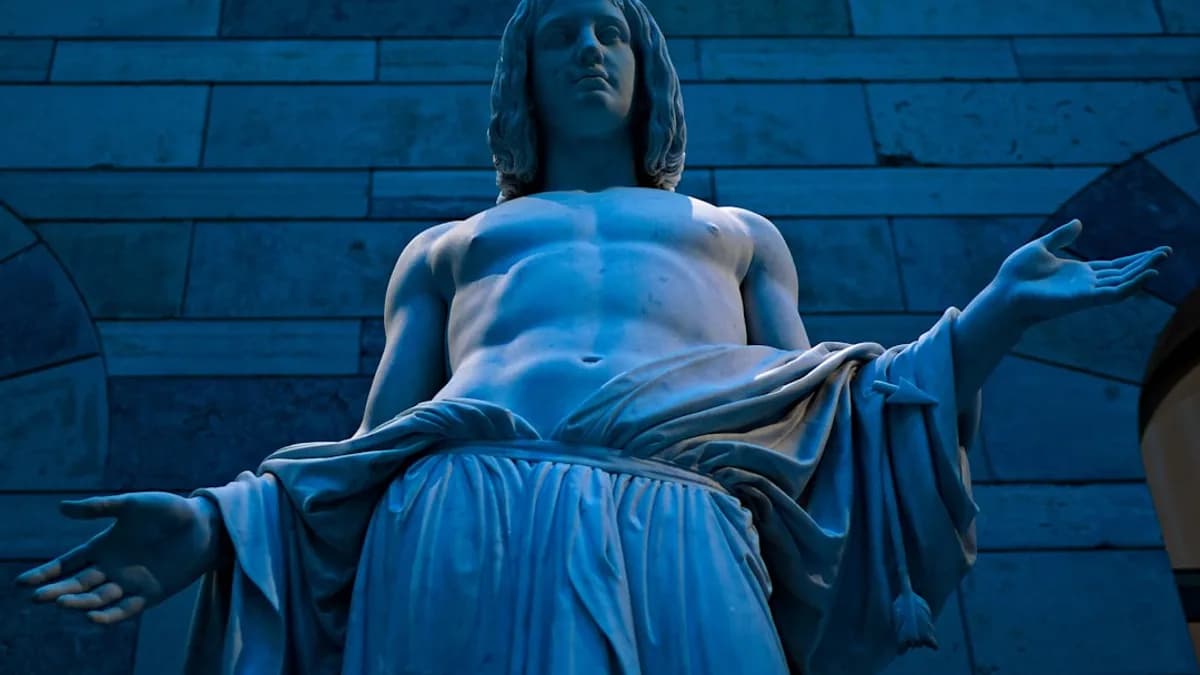
The AI-generated image in question portrays Donald Trump in a manner that closely mirrors classic artistic representations of Jesus. The image features Trump with a serene expression, long flowing hair, and a robe, evoking the iconic imagery seen in churches and religious art. The symbolism was immediately apparent to viewers, many of whom interpreted the post as Trump positioning himself as a Christ-like figure—a move that some found offensive, while others saw it as typical of Trump’s penchant for provocative self-promotion.
When pressed about the image, Trump offered a surprising explanation. He claimed that he believed the image showed him as a doctor, not as Jesus. "I thought it was me as a doctor," Trump said, attempting to downplay the religious connotations of the post. However, this explanation was met with skepticism from both critics and supporters, many of whom found it difficult to reconcile his statement with the clear visual cues present in the image.
Public response to Trump's explanation has been mixed. Some of his supporters dismissed the controversy, arguing that critics were reading too much into a meme and that the post was meant to be humorous or symbolic rather than blasphemous. Others, including many within religious communities, expressed concern about the apparent trivialization of religious symbols for political messaging. The incident has reignited debates about the use of AI-generated content in politics and the ethical considerations around manipulating religious imagery for personal or political gain [Source: Source].
The Feud Between Trump and Pope Leo
The controversy over the AI image is the latest flashpoint in a growing feud between Donald Trump and Pope Leo. The origins of their dispute trace back to a series of comments made by both figures regarding moral leadership, political responsibility, and the role of religion in public life. Tensions escalated when Pope Leo openly criticized some of Trump's policies and rhetoric, suggesting that they were incompatible with Christian teaching.
In response, Trump has been outspoken and unapologetic. He has repeatedly refused to apologize to Pope Leo, insisting that his actions and statements are justified. "I won't apologize," Trump declared, doubling down on his position and framing the dispute as a matter of principle rather than personal animosity. He has also accused the Pope of meddling in American politics and misrepresenting his intentions [Source: Source].
The feud has had a noticeable impact on both leaders' public images. For Trump, the spat has energized his base, many of whom view the conflict as evidence of his willingness to stand up to powerful institutions. For Pope Leo, the dispute has highlighted the Vatican’s concerns about the intersection of faith and politics in the United States. Both sides have used the controversy to reinforce their respective narratives, but it remains unclear whether this will ultimately benefit or harm their standing with the public.
Political Implications: Catholic Swing Voters and the Pope Spat
The timing of the Trump-Pope feud is significant, given the crucial role that Catholic voters play in key swing states during U.S. elections. Catholics represent a sizable and diverse voting bloc, one that has often been pivotal in deciding the outcome of presidential races. The ongoing spat with Pope Leo has the potential to influence Catholic voter sentiment, particularly among those who look to the Vatican for moral guidance.
Political analysts have noted that public disagreements with religious leaders can carry risks for candidates seeking broad support. While some Catholic voters may be sympathetic to Trump’s defiance, others could view the dispute as disrespectful or divisive. Axios reports that the feud could alienate moderate Catholic voters, especially in battleground states where margins are slim and religious identity remains a key factor in voter decision-making [Source: Source].
Experts caution that Trump’s handling of the situation could have long-term electoral consequences. If the controversy deepens, it may prompt Catholic leaders and organizations to become more vocal in their criticisms, potentially swaying undecided voters. On the other hand, Trump’s core supporters may rally behind him, perceiving the feud as part of a broader struggle against elite institutions. Ultimately, the outcome will depend on how both sides manage the narrative in the months ahead.
Fact-Checking Trump's Claims About Pope Leo and Nuclear Weapons
The controversy reached a new level when Trump claimed that Pope Leo supports the development of nuclear weapons in Iran. This assertion was quickly scrutinized by fact-checkers, with PBS conducting a comprehensive review of the available evidence. According to their findings, there is no credible support for Trump’s claim; in fact, Pope Leo has consistently advocated for nuclear disarmament and diplomatic solutions in international conflicts [Source: Source].
The spread of misinformation has been a recurring theme in the Trump-Pope feud, with both sides accusing each other of distorting the facts. The episode underscores the challenges facing journalists and the public in an era where AI-generated content and viral social media posts can rapidly shape political narratives, often without regard for accuracy. Misinformation not only complicates the feud but also threatens to undermine public trust in both political and religious institutions.
Conclusion: Broader Impact and Future Developments
The latest chapter in the ongoing feud between Donald Trump and Pope Leo, marked by the controversial AI-generated image, highlights the complex interplay of politics, religion, and technology in contemporary discourse. As both figures continue to shape public opinion, the potential fallout among Catholic voters and the broader electorate remains uncertain. The incident also raises important questions about the ethical use of AI imagery and the dangers of misinformation in political communication.
Looking ahead, it is likely that the Trump-Pope conflict will persist, with each new development attracting intense media scrutiny and public debate. How both sides choose to respond—and how voters ultimately interpret these events—could have lasting implications for the American political and religious landscape [Source: Source].