Introduction to SpaceX’s Potential Acquisition of Cursor
SpaceX just struck a deal to maybe buy Cursor, a coding startup, for $60 billion. This could be one of the biggest tech deals ever, if it goes through later this year [Source: Google News]. Cursor builds tools that use artificial intelligence to help programmers write code faster and smarter. In the tech world, startups like Cursor are hot because they help push AI forward.
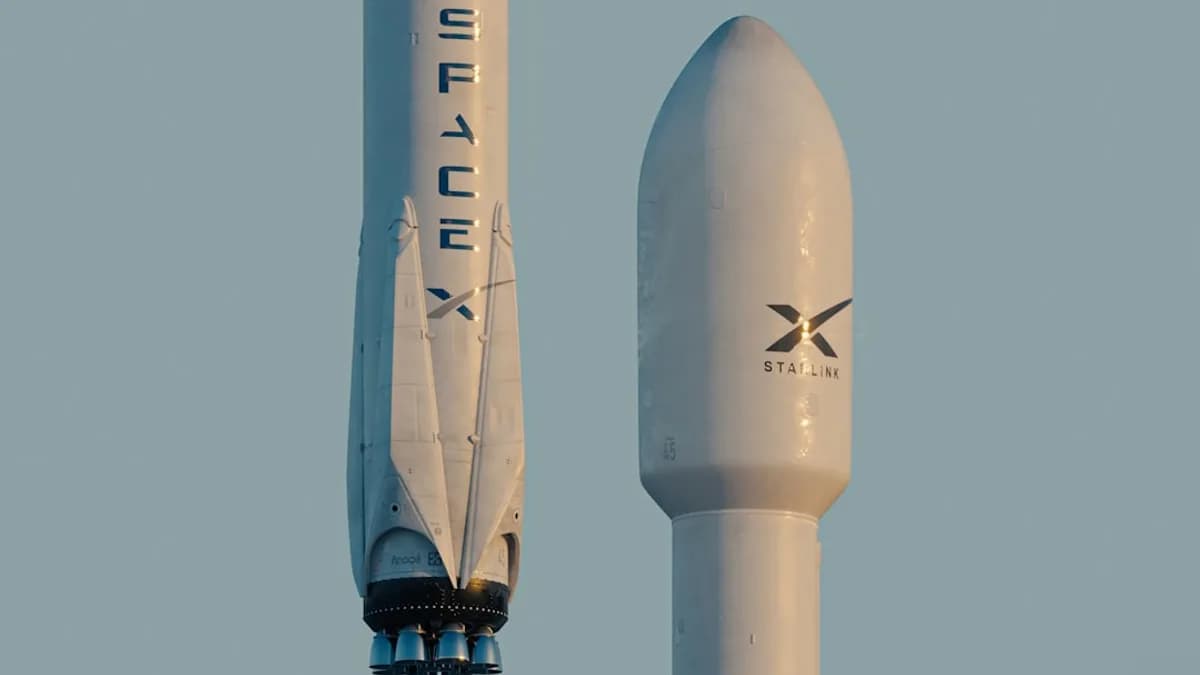
SpaceX is famous for rockets and space travel. But they also need lots of software to run their missions. Buying a company like Cursor could help SpaceX speed up their coding and make their tech even stronger. The $60 billion price tag is huge. It shows how much big companies are willing to pay for top AI talent and tools. If SpaceX closes this deal, it could change the way tech companies buy startups and invest in AI.
Understanding the Terms of SpaceX’s Deal with Cursor
SpaceX’s deal with Cursor has two main parts. First, SpaceX gets the right to buy Cursor for $60 billion later this year. Second, SpaceX can pay $10 billion now for “our work together,” which means paying for Cursor’s help and tools without buying the whole company yet [Source: Google News]. So, SpaceX can choose: buy Cursor now, or just use its tech and pay less.
This kind of “option to buy” deal lets SpaceX test Cursor’s tools before making a big move. It’s a bit like renting a car before buying it. If Cursor’s tools work well, SpaceX can go all-in and buy the company. If not, they can walk away after paying for the work.
Structuring the deal this way makes sense for both sides. SpaceX gets to see if Cursor’s AI really helps their team. Cursor gets a big payout, even if SpaceX doesn’t buy them. This kind of flexible deal is becoming more common as tech companies try to lower risks and make smarter bets. With so much money on the line, both sides want to be sure before making a final decision.
How to Evaluate a High-Value Tech Acquisition Deal
When a big company like SpaceX looks to buy a startup for billions, there are some key things to check. First, look at the startup’s technology. Is it really unique? Does it solve a big problem? Cursor’s AI coding tools claim to help programmers write better code, faster. If that’s true, it could save SpaceX millions in labor and mistakes.
Second, check the startup’s market position. Is Cursor ahead of rivals like GitHub Copilot or OpenAI Codex? Does it have loyal customers? Strong patents? If Cursor leads the pack, it’s worth more.
Third, think about growth potential. Can Cursor’s tech scale up? Will SpaceX’s use make it even better? The best deals are when a big company can help a small one grow much faster.
Risks also matter. Sometimes, startups promise too much. Their tech may not work as well as hoped. There’s also culture clash — SpaceX and Cursor may work in very different ways. If SpaceX pushes too hard, Cursor’s best people could leave.
Benefits are big, though. If the deal goes right, SpaceX could get a big edge in AI and coding. Cursor could get more resources, reach, and money to grow faster. For SpaceX, this isn’t just about buying software. It’s about winning the race to build smarter rockets, satellites, and systems.
When looking at deals like this, compare them to others. Microsoft bought LinkedIn for $26 billion. Facebook bought WhatsApp for $19 billion. This deal, at $60 billion, would set a new record. It shows how important AI coding is becoming to tech giants.
How SpaceX Could Integrate Cursor’s AI Coding Technology
If SpaceX buys Cursor, there’s a lot they can do with its AI. First, they could use Cursor’s tools to help their engineers write code for rockets, satellites, and Starlink. AI coding can catch bugs, suggest fixes, and speed up testing. That means safer launches and fewer delays.
For example, SpaceX could use Cursor’s AI to build software for flight controls or satellite networks. AI-driven coding automation also helps with things like data analysis and mission planning. SpaceX’s teams could spend less time debugging and more time innovating.
Here’s how SpaceX might make the most of Cursor’s tech:
Roll out Cursor’s tools internally. Start by training SpaceX’s engineers to use the AI tools on small projects. See how well they work before scaling up.
Pair Cursor’s AI with SpaceX’s own data. Use real launch data to help the AI learn and get smarter. This creates custom tools that fit SpaceX’s needs exactly.
Boost collaboration. Cursor’s tools could help SpaceX teams work together across sites. AI can help merge code from different groups, spot conflicts, and suggest solutions.
Automate routine tasks. Let AI handle boring jobs like code reviews, testing, and bug fixes. Engineers can focus on big problems instead.
Drive innovation. With more free time and smarter tools, SpaceX could try new ideas faster. This could lead to breakthroughs in space software.
If SpaceX pulls this off, they could set a new standard for tech and aerospace. Other companies may follow their lead, using AI coding to push boundaries.
How to Navigate the Legal and Financial Complexities in Mega Tech Deals
Buying a company for $60 billion is not simple. There are many legal hurdles. First, both sides need lawyers to check the terms and protect their interests. Contracts must spell out what happens if the deal falls through or if problems arise.
Regulatory approval is also key. Governments may step in to review big deals, especially if they worry about monopolies or national security. For deals involving space and AI, rules can be strict.
Financial structuring matters, too. SpaceX may pay in cash, stock, or a mix. Each method has pros and cons. Paying in cash is fast, but costly. Paying in stock can give Cursor’s team a stake in SpaceX’s future.
Due diligence is crucial. SpaceX will want to check Cursor’s books, tech, and staff. They’ll look for hidden debts, weak patents, or legal risks. This can take months. If problems show up, the deal could change or fall apart.
Big deals often use outside experts. Accountants, engineers, and industry consultants help spot risks and value the company. With so much money at stake, mistakes can be costly.
How to Monitor and Analyze the Impact of SpaceX’s Acquisition on the Tech Industry
After the deal, watch for signs of change. First, see if SpaceX rolls out Cursor’s tools across its projects. Look for news about faster launches, fewer bugs, or new software features.
Follow how competitors react. If SpaceX gets a big boost, rivals like Blue Origin or Boeing may rush to buy or build their own AI coding tools. This could spark a wave of new deals and investments.
Startup valuations could rise. If Cursor is worth $60 billion, other coding startups may see their prices jump. Investors will look for the next big AI player.
Track industry trends with tools like Crunchbase, PitchBook, and Google News. These sites show mergers, deals, and funding rounds. Watch for job listings, patent filings, and product launches from SpaceX and Cursor.
Check for innovation. Are new products coming out faster? Are bugs dropping? Is SpaceX launching more missions? These signs show if the deal is working.
Regulators may also set new rules for AI and coding. Keep an eye on government statements and hearings. Big deals often push lawmakers to update laws and oversight.
Conclusion: Key Takeaways for Tech Professionals and Investors
Big tech deals like SpaceX and Cursor show how fast the AI world is moving. When a company is willing to pay $60 billion for coding tools, it means AI is now a top priority for industries beyond software [Source: Google News].
For tech professionals, this deal is a sign to learn more about AI coding. For investors, it’s a reminder to watch startup valuations and look for the next breakout company.
If you work in aerospace, software, or AI, stay alert. The tools and teams behind Cursor could set new standards for coding, automation, and innovation. Keep tracking news and industry moves. The next big deal could change your work, your company, or your investments.
As SpaceX decides whether to buy Cursor, everyone in tech should pay attention. Deals this big don’t happen every day. They shape how technology, money, and talent flow for years to come.
Why It Matters
- A $60 billion deal would be one of the largest tech acquisitions ever, signaling the value of AI in the industry.
- The flexible structure lets SpaceX test Cursor's technology before committing fully, reducing risk.
- This deal reflects a trend of tech giants investing heavily in AI to maintain competitive advantage.