Why Silicon Valley’s Dark-Money Campaign Distorts the AI-China Narrative
Silicon Valley billionaires are quietly paying to shape how Americans see Chinese AI. A nonprofit called Build American AI, with ties to OpenAI, Andreessen Horowitz, and a powerful super PAC, is funding a campaign to make people fear Chinese artificial intelligence. The group is spending big money to push a message: that U.S. AI companies must win against China, or America will fall behind. They don’t want you to know who’s behind this push or what they have to gain. According to Wired, this campaign uses “dark money”—funds that hide their sources from the public.
This is not just a clever PR move. It’s a calculated effort to manipulate the debate about AI and national security. When tech giants and investors secretly bankroll fear campaigns, they tilt the playing field. They drown out honest voices and turn the public conversation into a tool for their own gain. The real danger isn’t just what China is doing with AI. It’s the way powerful Americans are trying to control the story, without telling us who is pulling the strings. If we let a handful of billionaires steer the debate, we risk making policy decisions based more on hype and fear than on facts.
How Paid Influencers Are Shaping Public Fear Around Chinese AI Innovations
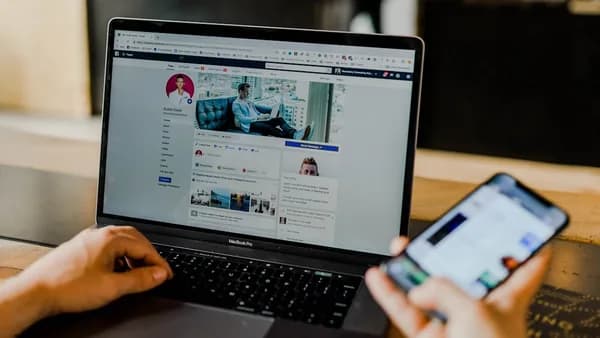
The campaign goes beyond slick press releases. It uses TikTok and other social media influencers—people with huge followings who speak in a friend’s voice—to spread messages that sound organic but are actually paid for by Build American AI. These influencers tell their followers that China’s AI is dangerous and that only American tech companies can keep us safe. They rarely, if ever, mention who is paying them. They use sharp language, scary stats, and dramatic stories to grab attention and stir fear.
This strategy works because most people trust influencers more than politicians or companies. When someone you follow online warns you about a threat, it feels personal. But this trust is being twisted. Instead of sharing real concerns or facts, influencers push a narrative built for someone else’s profit. There is little open discussion about what China is actually doing with AI, or how real the risks are. Instead, the message is simple and scary: be afraid, and support American AI at all costs.
This tactic shapes how voters and lawmakers see the world. Fear pushes people to accept new laws, bigger budgets, or even bans on foreign technology—without real debate or facts. We saw this with past scares over Russian tech, or even with the “Red Scare” of the 1950s. When fear rules, reason gets left behind.
The Hidden Motives Behind Silicon Valley’s Push for American AI Dominance
Why are tech billionaires and venture capitalists spending so much to paint Chinese AI as an urgent threat? The answer is simple: money and power. OpenAI, Andreessen Horowitz, and other backers have billions invested in U.S. artificial intelligence. If they can convince the public and the government that only American companies should lead, they protect their business from competition—both at home and abroad.
By framing Chinese AI as a national security risk, these firms push for more government support, fewer rules, and weaker challengers. It’s the oldest trick in the book: wrap your business interests in the flag and call it patriotism. But the truth is, U.S. tech giants want to keep their lead and their profits. They don’t want global rivals, even if those rivals might spark faster progress or better products.
This approach also hurts the global AI community. When one country’s companies block others out, science slows down. Some of the best research in AI comes from global teamwork—from labs in China, the U.S., Europe, and beyond sharing their findings. Walling off innovation behind fear and politics keeps everyone from moving forward. The more energy we spend fighting over who “wins” AI, the less we focus on making AI safe, fair, and useful for everyone.
Addressing the Counterargument: The Need for Vigilance Against Legitimate AI Security Risks
Of course, not all concerns about Chinese AI are fake. The Chinese government has a track record of using technology to track people and limit free speech. It’s smart to ask tough questions about how any country uses AI—especially in areas like surveillance, military, or social control. But we need to base those questions on facts, not feelings or secret money.
Real security means looking at evidence, sharing what we find, and having open debates about risks. When dark-money campaigns stir up panic without proof, they make it harder to have honest conversations. They also damage trust between countries, making it harder to work together on big challenges—like making sure AI doesn’t spiral out of control.
Demanding Transparency and Ethical Engagement in AI Policy Advocacy
It’s time for a change. Americans deserve to know who is paying for the messages they see about AI and China. Every campaign, ad, or influencer post should clearly say where the money comes from. Policymakers and the media must be alert to hidden interests. They should ask hard questions before taking action based on fear-fed narratives.
We also need a better way to talk about AI risks and opportunities. That means listening to independent experts, sharing data, and working with other countries when it makes sense. Instead of fighting over who owns AI, let’s focus on making AI safe, fair, and honest.
If we let secret money and hype set the rules, we all lose. But if we demand transparency, debate based on facts, and true teamwork, we can build a future where AI helps everyone—not just a handful of billionaires. The next time you see a scary story about Chinese AI, ask: Who paid for this message? And who stands to gain? Only by shining a light on dark money can we keep AI policy honest and fair—for America and for the world.
Why It Matters
- Secret funding of influencer campaigns can manipulate public opinion on critical tech issues like AI and national security.
- Lack of transparency about who is behind AI-related messaging undermines honest debate and informed policy decisions.
- The involvement of powerful Silicon Valley figures raises concerns about private interests steering public discourse for their own benefit.