Elon Musk and Sam Altman Face Off in High-Stakes AI Lawsuit in Oakland
Two billionaires who helped launch the AI arms race now face each other from across a courtroom. Elon Musk’s lawsuit against OpenAI and CEO Sam Altman kicked off last week in Oakland, California, laying bare a feud that’s been simmering since ChatGPT’s viral debut. Musk claims he bankrolled OpenAI’s early ambitions with tens of millions of dollars, only to see the company pivot to a profit-driven model that, he argues, betrays its founding mission. Altman, flanked by a team of high-powered attorneys, countered that Musk walked away years before OpenAI’s current breakthroughs, and his contributions—while sizable—didn’t buy him perpetual influence.
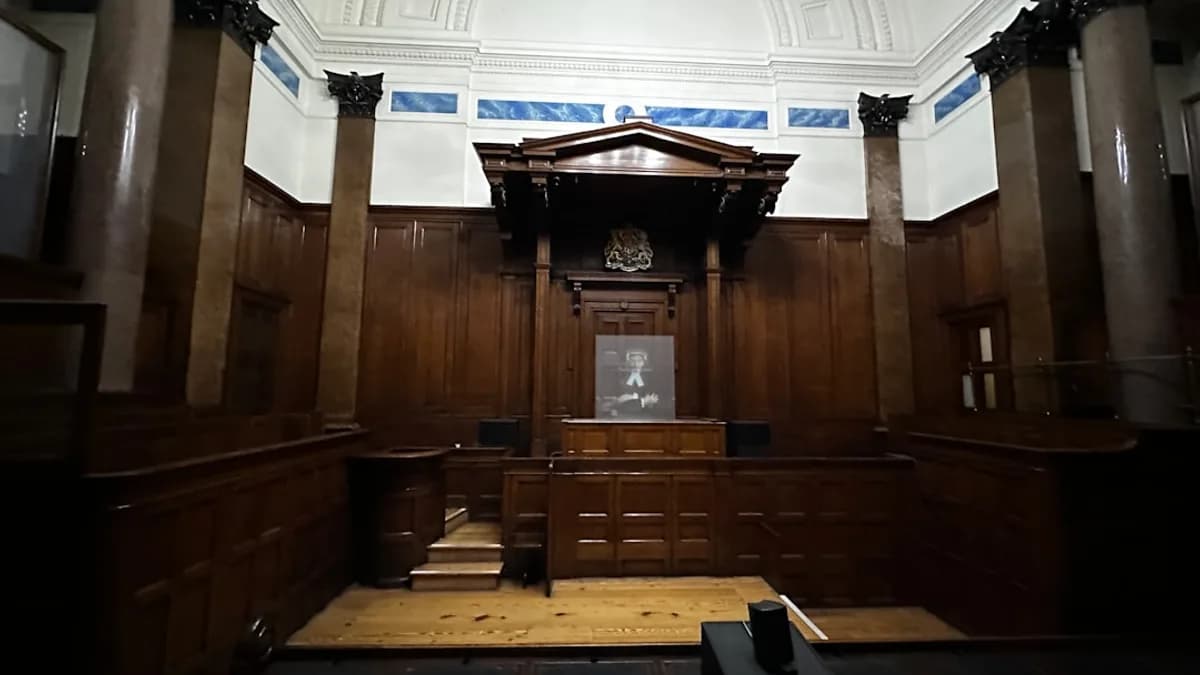
The trial’s first week brought high tension and few wasted words, according to MIT Technology Review. Musk, rarely one to cede the spotlight, watched as former OpenAI insiders were grilled about shifting governance structures and the company’s cap table. Courtroom observers described an atmosphere thick with both legal strategy and personal animosity—Altman’s team bristling at Musk’s insinuations of betrayal, Musk’s lawyers hammering home the claim that OpenAI’s transformation violated its founding principles.
Testimony from OpenAI’s earliest engineers revealed conflicting narratives about the company’s original intent. Musk’s camp pressed for emails and board minutes suggesting profit was never meant to be central. Altman’s side pointed to 2018 and 2019 transition documents, showing that the nonprofit’s governance model simply couldn’t keep pace with the capital needed for advanced AI research. The judge, keenly aware of the trial’s stakes, kept proceedings brisk and admonished both sides to stick to evidence, not grandstanding.
Immediate Repercussions of the Musk-Altman Trial on the AI Industry
The lawsuit is already shaking the AI sector. OpenAI, now valued north of $80 billion, faces mounting scrutiny from both investors and regulators. After news of the trial’s opening arguments, several venture funds reportedly asked OpenAI for clarification on the legal risks, and at least one major institutional investor paused plans to increase its stake pending the trial’s outcome. While OpenAI’s day-to-day operations continue, some insiders say the mood has shifted: a sense of siege, and real concern that the company’s crown-jewel partnerships—especially with Microsoft—could be affected if the legal fight drags on.
AI researchers and entrepreneurs are watching for broader fallout. Industry figures like Andrew Ng and Fei-Fei Li have warned privately that the spectacle risks politicizing open-source AI and deepening splits between public-good and commercial models. Several rivals, including Anthropic and Cohere, have seized the moment to tout their own “mission-first” governance, hoping to attract both talent and capital unsettled by OpenAI’s drama.
There’s also a chill across collaborative AI research. The lawsuit’s discovery phase is unearthing internal documents, some of which could reveal how much proprietary tech and strategy flows between labs—even those with supposedly adversarial relationships. For startups and researchers who rely on cross-institutional partnerships, the trial signals a new era of caution and legal vetting. If Musk prevails, some expect a cascade of lawsuits as other early funders revisit their own deals with AI labs.
What to Expect Next in the Musk vs. Altman Legal Battle Over AI Control
The coming weeks will test both sides’ resolve. The judge set May 15 as the next major hearing, where OpenAI’s lawyers will argue for dismissal of Musk’s central claim: that the company’s nonprofit roots legally bind its current for-profit structure. If the case survives that challenge, expect subpoenas for more early board members and, potentially, depositions from Microsoft executives involved in OpenAI’s multi-billion dollar funding rounds.
A ruling in Musk’s favor could force OpenAI to revisit its core structure, possibly spinning off sections or revising its profit-sharing mechanism. Legal analysts say even a partial win for Musk might embolden other stakeholders to demand a voice in AI governance—a wild card for both startups and incumbents. If OpenAI prevails, the company’s model of “capped-profit” AI research could become the new industry norm, giving cover to other labs that want to balance open science with the need for private capital.
This trial is more than a billionaire spat—it’s a stress test for the contracts and social compacts underpinning AI’s rapid ascent. If the court’s ruling draws hard lines around nonprofit and for-profit transitions, it could reshape the incentives for researchers, investors, and founders in ways that echo for years. One thing’s clear: whatever the verdict, the rules of engagement for the next phase of AI development are being rewritten in Oakland.
The Stakes
- The trial highlights the growing tension between nonprofit and profit motives in AI development.
- Its outcome could shape how AI companies structure governance and funding going forward.
- It underscores the influence and rivalry of tech leaders in steering the future of artificial intelligence.