
Introduction: The Rise of AI Clones in Corporate Leadership
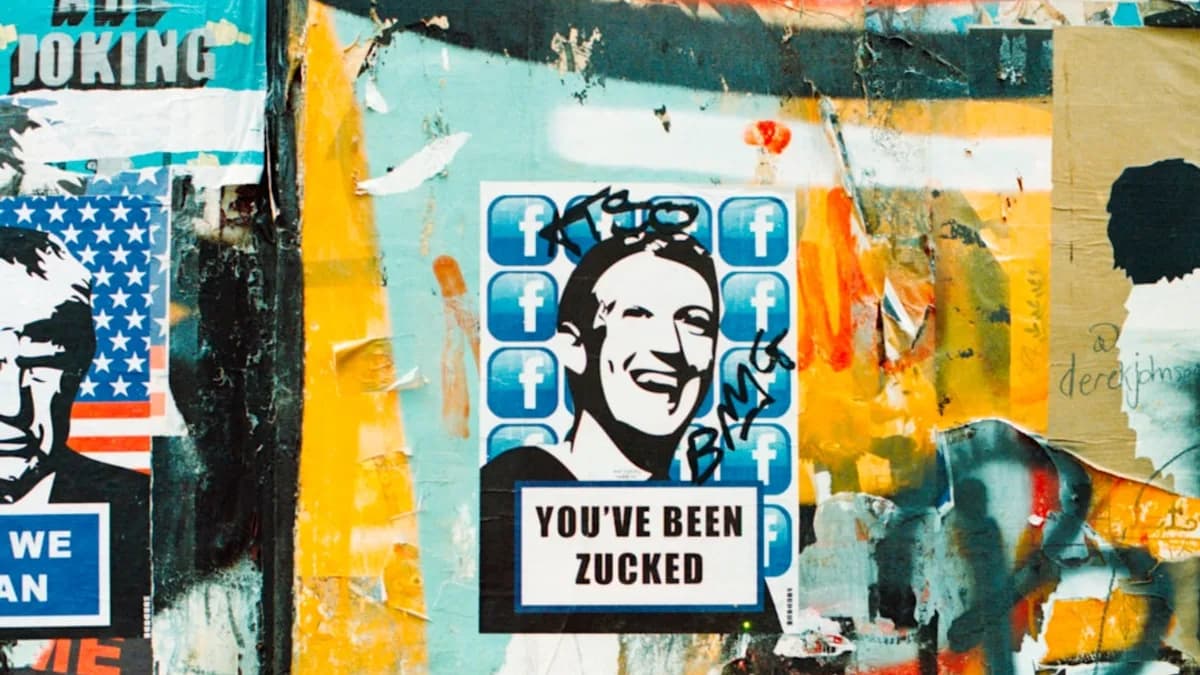
The idea of a CEO delegating their presence to an artificial intelligence avatar may sound like science fiction, but it’s quickly becoming reality. According to a recent report from the Financial Times, Meta CEO Mark Zuckerberg is experimenting with an AI clone of himself that could soon attend meetings, offer feedback, and interact with employees on his behalf [Source: Source]. This digital doppelganger is being trained not only on Zuckerberg’s image and voice but also his mannerisms, tone, and public statements, in an effort to make interactions feel as authentic as possible. Meta’s experiment isn’t just about saving time; it’s also about scaling leadership in new ways. If successful, the company may allow other creators and executives to make their own AI avatars, potentially ushering in a new era of virtual leadership. As we stand on the threshold of this technological shift, it’s worth exploring what AI clones could mean for workplace culture, leadership, and the future of work.
The Potential Benefits of AI Clones in the Workplace
At first glance, the prospect of an AI clone representing a CEO in meetings presents significant advantages. Corporate leaders often face overwhelming demands on their time, with countless meetings, feedback sessions, and routine communications. An AI avatar could efficiently handle these repetitive tasks, freeing up the real leader to focus on strategic decision-making, innovation, and personal interactions that require a human touch. For a company as large and globally dispersed as Meta, the ability to scale leadership presence across time zones is invaluable. An AI clone could effectively “attend” meetings in multiple locations, providing timely responses and feedback without the logistical challenges of travel or scheduling conflicts [Source: Source].
Consistency is another potential benefit. AI avatars, trained meticulously on a leader’s communication style, can deliver uniform messaging and reinforce company values. This could help maintain organizational culture, especially as remote work and distributed teams become the norm. Employees would receive the same guidance and feedback from the AI as they would from the real executive, reducing the risk of mixed signals or miscommunication. Moreover, if the experiment with Zuckerberg’s AI clone succeeds, Meta may soon empower other creators and executives to craft their own avatars, democratizing leadership presence and making it more accessible to teams that rarely interact with senior management. For companies navigating rapid growth or global expansion, AI clones could be a powerful tool for bridging distances and fostering engagement.
Ethical and Practical Concerns Surrounding AI Leadership Avatars
Despite the alluring promise of efficiency, the rise of AI leadership avatars raises serious ethical and practical concerns. Authenticity is the first casualty in this digital transformation. No matter how advanced the technology, an AI clone cannot replicate the complexity of human intuition, empathy, or spontaneous interaction. Employees may struggle to connect with a digital facsimile, sensing the absence of genuine leadership and emotional intelligence. This risk grows as AI avatars are used more frequently, potentially eroding trust and undermining the sense of community within an organization.
Privacy and consent are also thorny issues. Training an AI on a person’s likeness, voice, and mannerisms involves collecting and processing vast amounts of personal data. Even with the explicit permission of the individual, questions arise about how this data is stored, who has access to it, and how it might be used in the future. If Meta expands the program to creators and executives, the stakes will rise: will employees feel pressured to create AI clones of themselves, and what safeguards will prevent misuse? The line between voluntary participation and coercion could become blurry, especially in high-stakes corporate environments.
Another practical concern is the risk of over-reliance on AI. While avatars can provide consistent messaging, they may also lack the flexibility to handle nuanced situations or unexpected challenges. AI’s limitations in understanding context, emotion, and cultural sensitivity could lead to miscommunication or even conflict. Empathy, a hallmark of effective leadership, is notoriously difficult to program into machines. If an AI clone delivers critical feedback or addresses sensitive topics, the absence of human warmth could have unintended consequences, impacting morale and engagement. As companies embrace AI avatars, they must be vigilant about maintaining a balance between technological innovation and the irreplaceable value of real human interaction.
Impact on Employee Experience and Corporate Culture
The introduction of AI clones into leadership roles will inevitably reshape the employee experience. For some, interacting with a digital version of the CEO may feel novel or even exciting, especially if the avatar is convincingly lifelike. But for others, it could create a sense of distance and detachment. Workplace culture thrives on authentic relationships, informal conversations, and shared experiences—elements that are difficult for AI to replicate. Employees may question whether the feedback or guidance they receive from an avatar truly reflects the leader’s intentions, or if it’s simply a programmed response.
Trust is another critical factor. Leadership is not just about disseminating information; it’s about inspiring confidence, demonstrating accountability, and fostering a sense of belonging. If employees perceive that interactions are mediated by AI, they may wonder about the authenticity of the leadership behind the avatar. This could lead to skepticism, reduced engagement, or even resistance to change. On the other hand, if AI avatars are positioned as supportive tools rather than replacements, they could enhance accessibility and make leadership feel more present in remote or distributed teams.
The challenge lies in finding the right balance. AI clones have the potential to streamline communication and reinforce company culture, but they must be deployed thoughtfully, with attention to employee well-being and organizational values. Otherwise, the risk is that technology will create more barriers than it breaks down.
Broader Implications for the Future of Work and Leadership
Looking beyond Meta, the advent of AI clones has profound implications for the future of work and leadership. As technology evolves, the traditional role of the executive could be redefined. Leaders may spend less time on routine tasks and more on strategic thinking, while AI avatars handle day-to-day interactions. This could lead to a shift in how organizations structure their leadership teams, emphasizing vision and innovation over operational presence.
Moreover, the democratization of AI avatars could make leadership more accessible. Creators, entrepreneurs, and executives who lack the resources or time to engage with every team member might use AI clones to extend their reach. This could foster diversity and inclusion, allowing voices from different backgrounds to be heard across global organizations. However, it also raises questions about accountability—if an AI avatar makes a mistake or delivers the wrong message, who is responsible?
As with any transformative technology, the integration of AI clones into the workplace demands careful consideration. Companies must prioritize transparency, consent, and ethical use, ensuring that innovation does not come at the expense of human values. Training and education will be essential, helping employees understand the limitations and strengths of AI avatars. Ultimately, the goal should be to enhance—not replace—the human elements that make leadership effective.
Conclusion: Navigating the Promise and Perils of AI Clones in Leadership
Mark Zuckerberg’s experiment with an AI clone is a bold step toward reshaping corporate leadership, offering tantalizing possibilities for efficiency, scalability, and accessibility [Source: Source]. Yet, the risks are equally significant, from ethical dilemmas to potential impacts on trust and authenticity in the workplace. As Meta and other organizations explore AI avatars, it’s crucial to keep employee well-being and organizational values front and center. The path forward should be marked by transparency, consent, and ongoing dialogue—ensuring that technology serves as a tool for connection, not a substitute for genuine leadership. In this era of rapid innovation, cautious optimism and thoughtful integration will be key to navigating the promise and perils of AI clones in the workplace.