Introduction: Understanding the Growing Resistance to AI
Not everyone is happy about the rise of artificial intelligence. Across cities and small towns, many people are pushing back against the future that big AI companies are building. Some are worried about losing their jobs. Others say their energy bills are getting too high because data centers use so much power. Parents and teachers are concerned about how chatbots affect teens’ mental health. Artists and writers fear their work will be copied without permission. Even soldiers and peace activists worry about how the military uses AI. This anti-AI movement is spreading fast and touching every part of life [Source: MIT Technology Review].
Talking about resistance isn’t just about complaints or fear. It’s about asking tough questions: Who is getting left behind? Who gets to decide how technology shapes our world? These questions matter because AI is moving into schools, hospitals, businesses—and even our homes. Understanding why people are resisting helps us see what’s at stake for everyone.
Economic Concerns: The Impact of AI on Jobs and Energy Costs
One big reason people are resisting AI is the fear of losing work. Machines and algorithms are starting to do jobs that humans used to do. For example, factories are using robots instead of workers to build cars and electronics. In offices, software can handle tasks like scheduling, data entry, and even customer service. This change is happening fast. Millions of jobs could disappear or change in the next decade, especially in fields like trucking, retail, and manufacturing.
It’s not only about jobs. The cost of running giant data centers that power AI is making electricity bills surge. These centers need huge amounts of power to train and run AI models. In places like Texas and Ireland, local communities have complained that their bills are getting higher because these centers are eating up so much energy [Source: MIT Technology Review]. Sometimes, power companies even have to build new plants just to keep up.
Some people worry this will hurt working-class families the most. Job losses can mean less money for groceries, rent, and school supplies. Higher energy costs can make it harder to pay for heating or air conditioning. When the benefits of AI mostly go to big companies, regular people can feel left out and pressured. History shows us that when new technology comes fast—like when factories got automated in the 1980s—it can take years for workers to find new jobs or learn new skills. The same thing could happen with AI, unless companies and governments step in to help.
Social and Ethical Challenges: Mental Health, Military Use, and Copyright Issues
AI isn’t just changing the economy. It’s affecting how people feel and relate to each other, especially teens. Chatbots and virtual assistants are popping up in messaging apps and games. Some teens spend hours talking to AI bots instead of real friends. Experts say this can hurt social skills and make young people feel lonely or anxious [Source: MIT Technology Review]. A chatbot might not understand emotions the way a human does. It can give bad advice or make someone feel worse.
The military is also getting involved with AI. Armies are testing AI systems to help plan missions, fly drones, or even pick targets. Some people say this could make wars more deadly, because machines don’t always follow rules or make moral choices. Others worry that mistakes could lead to innocent people getting hurt. There’s a big debate over whether computers should ever have the power to decide who lives or dies in war.
Artists, writers, and musicians have their own worries. AI can create pictures, stories, and songs by copying styles from real people. Sometimes, it uses their work without asking or paying. This raises questions about copyright—a law that protects people’s creations. If AI tools keep copying and remixing work, it could mean less income for creative workers. Some artists have started lawsuits, saying companies are stealing their work. Others demand better rules to protect their rights.
These social and ethical challenges show that AI isn’t just a technical problem. It’s about fairness, safety, and respect for people’s feelings and ideas. If we ignore these issues, we risk creating a world where technology hurts more than it helps.
Voices of Resistance: Who Is Speaking Out and Why It Matters
Resistance to AI comes from all kinds of people. Factory workers and truck drivers worry about losing their jobs. Parents and teachers speak up about how AI affects kids. Artists and musicians protest against copyright theft. Privacy activists push back on how AI tracks and stores personal data. Even some computer scientists call for slower, safer development.
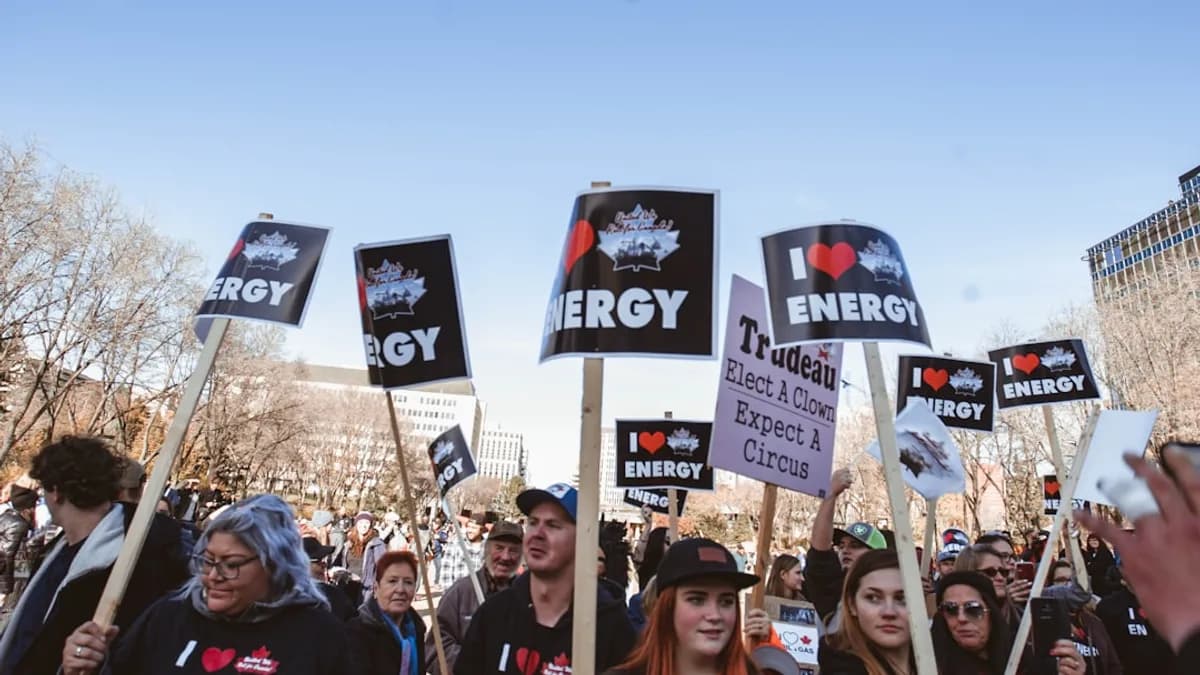
Grassroots movements are growing. In Ireland, neighbors have marched against new data centers. In the U.S., local groups demand limits on police use of AI-powered facial recognition. Online, communities share stories about bad chatbot advice or unfair AI hiring systems. These voices matter because they bring real-life stories into the debate.
Lawmakers and regulators are starting to listen. Some countries have set rules for how companies can use AI. Others are debating laws to protect jobs and privacy. Including diverse voices makes sure AI isn’t just shaped by tech giants, but by everyone affected.
The Future of AI: Balancing Innovation with Responsibility
AI can do amazing things. It can help doctors spot diseases, make cars safer, and bring information to people fast. But rushing ahead without thinking is risky. We need a more careful, human-centered approach. This means asking: How do we make sure AI doesn’t hurt jobs, mental health, or creativity?
Policy makers can help. They should set rules for how AI gets used, especially in sensitive areas like schools and hospitals. Governments can offer training programs for workers whose jobs are changing. They can help families pay energy bills if data centers drive up costs. Companies need to step up too. They should be clear about how their AI works, and fix problems when things go wrong.
Transparency matters. If people know how AI makes decisions, they can trust it more. Ethical standards should guide AI development, so it respects people’s privacy, rights, and safety. This isn’t just about slowing down—it’s about making sure AI benefits everyone, not just a few.
Looking at history, new technology always brings challenges. When cars were new, we got seat belts and traffic laws to keep people safe. The same should happen for AI. With fair rules and smart oversight, we can enjoy the benefits while protecting what matters most.
Conclusion: Embracing a Thoughtful Dialogue on AI’s Role in Society
People push back against AI because they care about their jobs, their health, and their rights. This resistance is not just noise—it’s a call for better rules, more fairness, and a voice in how technology shapes life [Source: MIT Technology Review]. Listening to these concerns can help us build smarter, safer AI.
Resistance makes companies and lawmakers pay attention. It sparks new ideas for how to make AI work for everyone. The movement reminds us that technology should serve people—not the other way around.
The conversation about AI isn’t ending soon. It will take strong voices and thoughtful debate to shape a future where AI helps, not harms. If we keep asking questions and demanding better, we can build a world where technology lifts us all.
Why It Matters
- AI's rapid expansion is causing widespread concerns about job displacement and economic insecurity.
- Rising energy consumption from data centers is affecting local communities' electricity bills and environmental sustainability.
- Resistance to AI highlights urgent ethical and social questions about technology's impact on education, creativity, and military use.