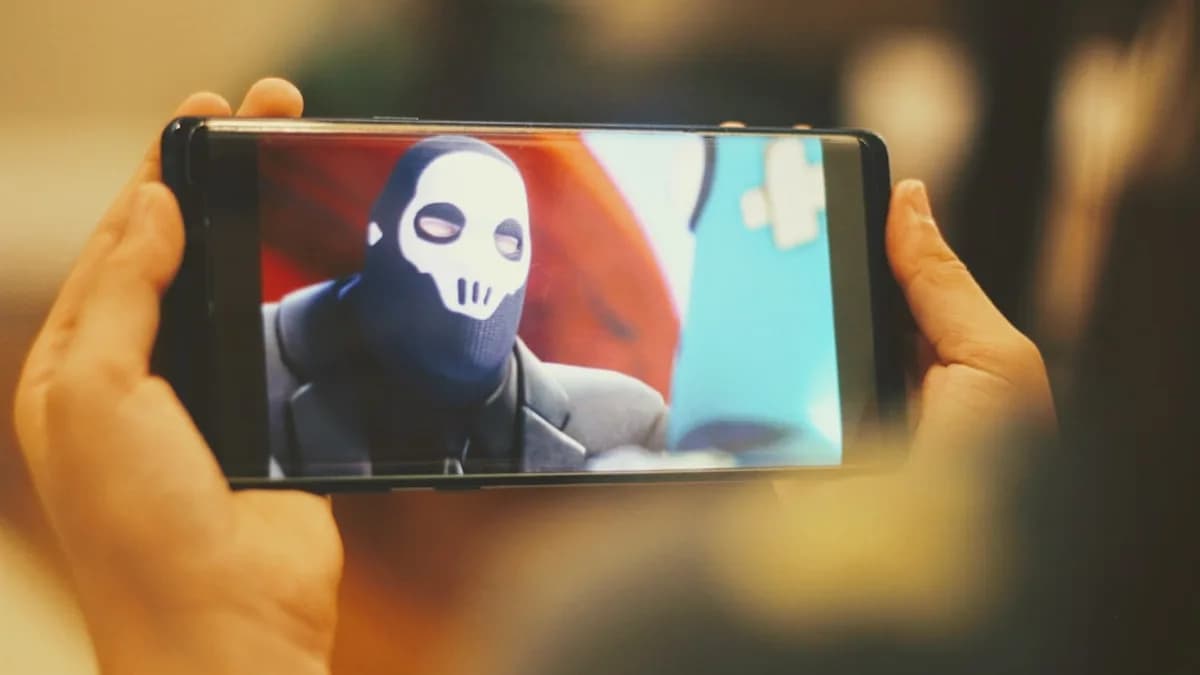
Introduction to Fortnite’s New AI-Powered Character Tool
Imagine dropping into a Fortnite island where the quest giver doesn’t just parrot canned lines, but actually responds to your questions in real time—adapting, improvising, and even surprising you. That’s the future Epic Games is promising with its latest update, which arms Fortnite creators with a tool to build AI-powered non-player characters (NPCs) that can hold unscripted conversations. The move follows last year’s buzzworthy experiment: an AI-powered Darth Vader who not only mimicked James Earl Jones’ iconic voice but also, inadvertently, let loose a profanity or two [Source: Source].
Now, Epic is taking things further, offering all creators a “conversations” tool that allows for dynamic, AI-driven NPCs. Rather than laboriously scripting every possible branch of dialogue, creators can define a character’s personality, knowledge, and behavior using simple prompts. The AI then takes over—generating dialogue on the fly and opening up new possibilities for interactive storytelling within Fortnite’s ever-expanding universe.
How the 'Conversations' Tool Transforms Fortnite NPCs
For years, game designers have wrestled with the limitations of traditional dialogue trees. Each possible player query and NPC response had to be meticulously scripted, leading to stilted exchanges and predictable outcomes. Epic’s new “conversations” tool disrupts this model by letting creators specify who their NPC is—how they think, what they know, and how they should behave—using plain language instructions. The AI then interprets these prompts, dynamically generating dialogue that feels natural and responsive.
To further personalize these digital denizens, creators can select from a range of AI-generated voices. This allows for a character’s tone and delivery to match their role—whether it’s a gruff quest giver, a whimsical narrator, or an enigmatic guide [Source: Source]. The result is a leap from static, linear conversations to truly interactive exchanges. Instead of clicking through a pre-set menu, players can ask unique questions, receive unscripted answers, and even engage in conversations that shift based on prior interactions.
This approach mirrors broader trends in AI-powered conversational systems, such as ChatGPT or in-game AI companions, which have steadily raised the bar for natural language interaction. In Fortnite, the “conversations” tool has the potential not only to streamline content creation for developers but also to make every player’s experience feel a little more unique and alive.
Creative Possibilities and Use Cases for AI Characters in Fortnite
The creative doors this opens for Fortnite’s vast community of creators are hard to overstate. AI-driven NPCs could serve as quest givers who adapt quests and hints based on players’ previous actions, narrators who react to unfolding events, or interactive guides who help new players learn the ropes on custom islands. Imagine a detective NPC who remembers what clues you’ve already found, or a shopkeeper who can recommend gear based on your play style.
This level of dynamic engagement stands to supercharge storytelling within Fortnite’s user-generated content ecosystem. Rather than relying on static expository text, creators can weave in reactive, context-aware NPCs that foster deeper immersion and agency. For instance, a horror map could feature an AI antagonist who taunts players in real time, while an educational island might include a historian NPC capable of fielding spontaneous questions about world events.
Crucially, these AI interactions can be personalized—responding to individual player choices and creating branching experiences without requiring creators to manually script every possibility. This is a powerful shift, potentially lowering the barrier for ambitious narrative-driven content and fostering a new wave of experimentation in Fortnite’s creative community.
Limitations and Ethical Considerations: Why Dating AI Characters Is Off-Limits
But with great creative power come significant boundaries. Epic Games is clear: developers may not use the “conversations” tool to create AI characters that engage in dating or romantic scenarios [Source: Source]. This restriction isn’t arbitrary. It’s a deliberate move to protect Fortnite’s diverse, primarily young player base from inappropriate or potentially exploitative interactions.
The ethical considerations here echo larger debates about AI companions and simulated relationships in digital spaces. Allowing for romantic or sexualized AI interactions—especially in a mainstream, all-ages platform like Fortnite—could open the door to abuse, blurred consent, or uncomfortable grey areas around player expectations and emotional attachment. Community guidelines and robust moderation become crucial as AI-driven NPCs grow more sophisticated.
There are also technical risks. Even with clear instructions, generative AI can sometimes produce unpredictable or inappropriate responses, as seen with last year’s Darth Vader incident. In a multiplayer environment where players of all ages interact, Epic must balance creative freedom with responsibility—ensuring that AI behavior remains aligned with community standards and does not veer into problematic territory.
Industry Context: AI Integration in Gaming and What Fortnite’s Move Means
Fortnite’s embrace of AI-powered NPCs situates it at the leading edge of a broader industry trend. Studios large and small are exploring how generative AI can create richer, more adaptive game worlds. From Bethesda’s experimentation with AI dialogue in The Elder Scrolls VI to indie projects leveraging GPT-based systems for emergent storytelling, the push is on to make non-player characters feel less robotic and more like living, breathing denizens of their worlds.
What sets Fortnite apart is its scale and user base. By democratizing access to generative AI tools, Epic is inviting millions of creators—not just professional studios—to reimagine what’s possible within their custom islands. This could spur a new wave of user-generated content, not unlike the transformation Minecraft underwent when modders gained access to powerful scripting tools.
The implications ripple beyond Fortnite. As player expectations around interactivity and immersion rise, AI-driven NPCs may become table stakes for competitive online games and virtual worlds. Studios will face new questions: How do you moderate AI-powered interactions at scale? What ethical guidelines are needed to prevent misuse? And how do you ensure that AI augments rather than replaces the artistry of hand-crafted game design?
There’s also a business angle. By enhancing engagement and player retention through more dynamic content, Epic can strengthen Fortnite’s position as a platform—not just a game. This aligns with broader moves in the industry toward user-generated content ecosystems, seen in Roblox and the emerging “metaverse” conversation. AI-powered NPCs could become a key differentiator, enticing both creators and players to invest more deeply in their virtual worlds.
Conclusion: The Future of AI Characters in Fortnite and Beyond
Epic’s “conversations” tool marks a watershed moment for Fortnite, equipping creators with the means to build richer, more interactive stories and experiences. The ability to define and voice AI-powered NPCs moves Fortnite closer to the vision of a truly living metaverse—one where every island can offer surprises, personality, and narrative depth.
Yet, as the boundaries of what’s possible expand, so too must the guardrails that protect players and uphold community values. Balancing creative empowerment with ethical use of AI will be a defining challenge—not just for Fortnite, but for the entire gaming industry.
Looking ahead, the evolution of AI-driven characters could transform not only how games are played, but how they are made. As tools become more accessible and AI grows more capable, expect a surge of experimentation—and a new era where virtual worlds feel more alive, responsive, and personal than ever before. For players and creators alike, the next chapter of Fortnite’s story is only just beginning.