Broadcom, Google, and Caterpillar Emerge as AI Industry Leaders in 2024
Broadcom, Google, and Caterpillar just landed on a must-watch list for AI dominance—three names not often grouped together, now leading a sector that’s rewriting the rules for tech and industry. The trio’s surge reflects a fundamental shift: artificial intelligence is no longer just a Silicon Valley story. Industrial and infrastructure giants are racing alongside software titans, each betting billions that AI’s next act will hit their bottom lines first.
This recognition follows a wave of strategic investments and product launches since late 2023. Broadcom’s market cap blasted past $600 billion in May, riding demand for AI chips that rival Nvidia’s, while Google’s parent Alphabet keeps pushing the envelope with Gemini and its custom TPUs. Caterpillar, best known for heavy machinery, has pivoted hard: its autonomous construction and mining vehicles now crunch real-time data to outpace rivals in infrastructure automation.
The AI spotlight isn’t just about buzz. According to Yahoo Finance, these three firms now set the pace for AI innovation, signaling to investors and competitors that the sector’s next wave of winners will come from unexpected corners.
How These Tech Giants Are Shaping the Future of Artificial Intelligence
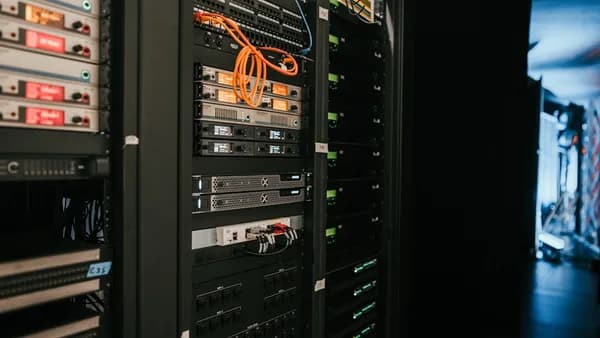
Broadcom’s AI playbook centers on custom silicon. As hyperscalers like Google and AWS battle for inference and training supremacy, Broadcom’s networking chips and ASICs have become the backbone for next-gen data centers. Its Tomahawk 5 switch and Jericho3-AI chip are engineered to shuttle massive AI workloads—at speeds of up to 51.2 Tbps—keeping cloud providers’ capital spending locked in. This has fueled Broadcom’s infrastructure software revenue, which jumped 7% year-over-year in Q1 2024.
Google, meanwhile, is all-in on model innovation. Gemini, its flagship generative AI, has started appearing in Search and Workspace, challenging OpenAI’s GPT-4 in both scale and versatility. Google’s custom TPUs are now in their fifth generation, giving the company a hardware edge: training Gemini Ultra reportedly costs up to 40% less than on public Nvidia clusters. The company’s AI-first strategy has already boosted ad targeting accuracy and slashed data center power use, with CEO Sundar Pichai claiming $3 billion in annual savings from AI-driven efficiency.
Caterpillar’s AI transformation is the sleeper story. Its autonomous haul trucks, operating in mines from Australia to Canada, have moved over 5 billion tons of material—without human drivers. The company’s VisionLink platform uses AI-driven predictive maintenance to cut downtime by 20%, a margin that’s moved the needle for customers facing supply chain shocks and labor shortages. In construction, Caterpillar’s smart excavators analyze sensor data on the fly, optimizing fuel use and route planning in real time.
The edge for all three isn’t just technology—it’s vertical integration. Broadcom bakes AI into hardware that cloud providers can’t easily swap out. Google owns the stack, from chipset to algorithm. Caterpillar’s real-time analytics lock in repeat revenue through maintenance contracts. These strategies wall off competitors and deepen customer dependence, a formula investors crave in an AI-fueled bull market.
What to Expect Next in the AI Race: Innovations and Market Implications
Broadcom’s next act will test whether its dominance can stretch beyond hyperscalers. Its planned acquisition of VMware is set to close this year, potentially creating an AI-driven hybrid cloud platform that could challenge AWS and Microsoft for enterprise mindshare. Analysts are watching for new chip launches at Computex and Broadcom’s developer events, where early leaks hint at a focus on AI inference at the edge.
Google is expected to double down on Gemini integration across its consumer products and cloud offerings. With I/O 2024 highlighting AI Agents and more multimodal capabilities, Alphabet is betting the farm that AI-native apps will drive the next wave of ad and cloud revenue. The real question: can it turn technical leadership into market share, as Microsoft’s OpenAI partnership keeps eating into search and enterprise deals?
Caterpillar’s pipeline is less flashy but arguably more disruptive. The company has teased fully autonomous job sites and expanded predictive analytics for fleet management. If these hit scale, Caterpillar could reshape infrastructure delivery—slashing project timelines and labor costs in a sector slow to digitize.
AI’s next hurdles are regulatory. The EU’s AI Act and U.S. rulemaking on autonomous systems will test how fast these firms can deploy outside the lab. Data privacy, model transparency, and liability for autonomous decisions remain live issues. Investors should watch for volatility as new rules hit, especially for Caterpillar’s global fleet and Google’s consumer-facing AI.
Bottom line: The AI arms race is broadening. Hardware, cloud, and heavy industry leaders are no longer siloed. Each is gunning to turn technical wins into defensible profit pools. For investors and rivals, the next six months will reveal whether these bets pay off—or if a new contender steals the crown.
The Bottom Line
- AI innovation is expanding beyond traditional tech, with industrial leaders now key players.
- Strategic investments by Broadcom, Google, and Caterpillar signal new opportunities and competition in AI.
- Investors and businesses must watch these unexpected AI frontrunners for market and technology shifts.