Why AI Surveillance Cameras Are Becoming Crucial in Combating Wildfires in the Western US
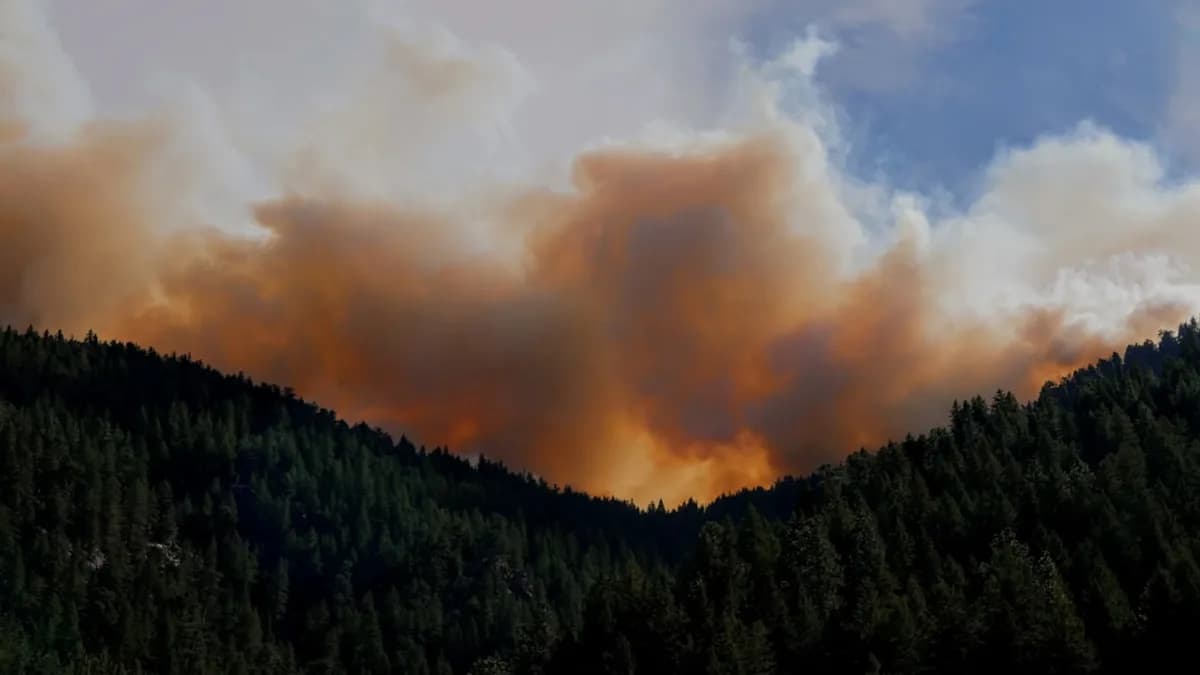
Wildfires are no longer a seasonal threat—they’re a year-round crisis, and the West is scrambling for answers. In Arizona, an AI camera flagged smoke in Coconino National Forest before anyone dialed 911. Firefighters contained the blaze at just 7 acres, a fraction of the infernos that have ravaged the region in recent years. Human eyes missed it, but algorithms caught the warning signs early. This isn’t an isolated win: states like Arizona, California, and Colorado are racing to blanket remote landscapes with AI-powered surveillance, betting that machines can outpace disaster.
The urgency is real. 2023 saw record-breaking heat and catastrophic snowpack failures across the West, drying out forests and priming them for ignition. Traditional detection depends on scattered lookout towers or chance sightings by hikers—an approach that collapses in sparsely populated terrain. As climate change fuels longer, hotter fire seasons, the window for containment shrinks. Human surveillance, hampered by geography and fatigue, can’t keep up.
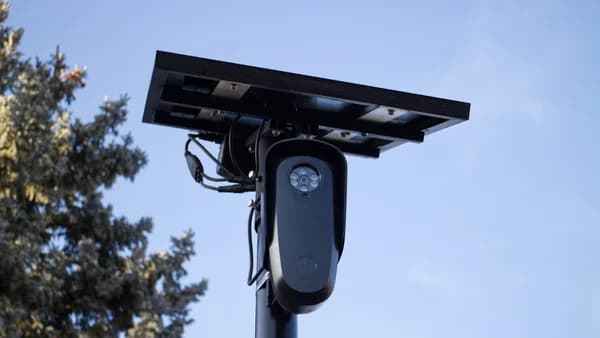
AI cameras don’t blink. They scan for smoke, track movement, and learn from each false alarm. When wildfire risk spikes, utilities and fire agencies need instant alerts—not hours-late 911 calls. Nearly 40 AI cameras are already live for Arizona Public Service, with plans to double that by summer’s end. California’s ALERTCalifornia network covers 1,240 points. Colorado’s Xcel Energy pushes for coverage in seven states. The technology’s not just a supplement—it’s rapidly becoming the frontline, as states seek to protect billions in property and lives threatened by the new normal, according to Fast Company Tech.
Quantifying the Impact: Data on AI-Enabled Wildfire Detection Effectiveness
Numbers don’t lie: AI wildfire detection is already outperforming the status quo. In Arizona, the technology shaved an average of 45 minutes off the time it takes to receive the first alert compared to traditional 911 calls. That’s a head start with teeth—fires contained before they can become headline disasters. California’s ALERTCalifornia cameras, now numbering over 1,240, have repeatedly enabled responses before the public noticed smoke, often extinguishing fires without a single emergency call.
Pano AI, one of the sector’s frontrunners, reported its systems flagged 725 U.S. wildfires in 2023. Their cameras, deployed across 17 states and in countries like Australia and Canada, blend high-definition video with satellite data and AI-driven analysis. The company claims that in many cases, early detection prevented fires from ballooning to hundreds or thousands of acres. Arizona Public Service meteorologists echo this, citing faster response times and more effective containment.
But every advance comes at a price. Pano AI charges roughly $50,000 per camera annually, a figure that includes round-the-clock monitoring and risk analysis. For utilities and state agencies, these costs stack quickly—Arizona’s planned 71 cameras alone represent $3.5 million per year. The calculus isn’t trivial: upfront investment must justify savings on avoided property damage, firefighting costs, and insurance payouts. With U.S. wildfire damages routinely topping $10 billion annually, even modest improvements in early detection can make the math work.
Diverse Stakeholder Perspectives on AI Wildfire Detection Technology
Fire management officials are blunt: earlier detection means smaller fires, less risk, and fewer resources spent battling runaway blazes. John Truett, Arizona’s fire management officer, says AI allows rapid deployment of aircraft and personnel, keeping incidents contained and manageable. Brent Pascua, Cal Fire battalion chief, highlights the tech’s value in remote areas—fires often snuffed out before a single 911 call is placed.
Tech providers like Pano AI see surging demand as proof that the sector’s ripe for innovation. Arvind Satyam, Pano's chief commercial officer, argues their visual intelligence gives agencies a critical advantage—minutes matter, and so does actionable data. But they admit the challenge: price, integration, and reliability.
Researchers aren’t sold on hype alone. Patrick Roberts at RAND flags false alarms as a costly drag: AI may misidentify clouds or dust as smoke, forcing unnecessary mobilizations. Even when detection is accurate, decision-making remains human. Should agencies send help immediately, monitor, or launch evacuations? AI flags risk, but people must parse context and act.
Utilities weigh cost against reliability. Xcel Energy’s push to install cameras in seven states is driven by the need to protect infrastructure and reduce liability. Community stakeholders question whether AI will be trusted—will alerts disrupt daily life, or offer real safety? Integration with existing emergency systems is critical; a misfire could erode public confidence and spark regulatory scrutiny.
Tracing the Evolution of Wildfire Detection: From Human Watchtowers to AI Cameras
Wildfire detection once depended on lonely lookout towers and vigilant rangers. The first fire lookout in the U.S. dates back to the early 1900s, with hundreds built as the Forest Service tried to spot smoke before it spread. By the late 20th century, 911 call systems and aerial patrols supplemented these eyes-on-the-ground. But coverage gaps persisted—vast forests and deserts are hard to monitor, and human error is inevitable.
AI cameras mark a leap forward. Unlike static towers, they offer automated, 24/7 surveillance across thousands of square miles. California’s ALERTCalifornia network, launched in 2022, represents a milestone: real-time feeds analyzed by algorithms, not just humans. Pano AI’s commercial deployments now span continents, signaling global momentum.
The shift didn’t happen in a vacuum. Climate change accelerated the need for faster, smarter detection. More extreme weather, longer droughts, and unpredictable fire behavior forced agencies to rethink strategies. As sensors and AI algorithms matured, states moved to scale up deployment—matching technology to a crisis that shows no sign of slowing.
What AI Wildfire Detection Means for Firefighting Strategies and Public Safety
Early detection isn’t just a technical achievement—it reshapes firefighting itself. When AI cameras spot smoke minutes or hours ahead of humans, agencies can dispatch crews and aircraft before flames leap into treetops. Containment lines are drawn faster, and resources are allocated with precision. Last year’s Diamond Fire in Arizona is proof: a blaze caught before it could become catastrophic.
AI technology isn’t a replacement for human expertise—it’s a force multiplier. Fire behavior is fickle, driven by wind, terrain, and weather. AI provides real-time situational awareness, but humans decide tactics, evacuation routes, and containment priorities. As Brent Pascua of Cal Fire notes, algorithms inform, but don’t command.
Rural communities stand to benefit most. In remote areas, fires may smolder unseen for hours; with AI, detection is constant, not dependent on chance. The result: improved safety, fewer large-scale evacuations, and reduced property loss. Agencies are also using AI data to inform infrastructure protection—shutting down power lines, rerouting traffic, and targeting vulnerable zones.
The implications extend beyond containment. AI can drive faster, more targeted evacuation planning, support environmental monitoring (smoke and air quality), and help prevent secondary disasters like mudslides post-fire. Public safety is no longer a waiting game; it’s a coordinated response, powered by real-time intelligence.
Beyond Detection: Expanding AI’s Role in Wildfire Management and Environmental Protection
AI is already stretching beyond smoke detection. Researchers are deploying machine learning to identify hotspots for vegetation thinning and prescribed burns—critical tools for reducing fuel loads and preventing mega-fires. Systems can pinpoint areas where “cool fires” should be set, optimizing land management and minimizing risk.
Air quality monitoring is another frontier. AI sensors, far more sensitive than household detectors, track smoke plumes and pollution in real time. Professor Chaowei “Phil” Yang’s team at George Mason University, in collaboration with NASA and California State University, is building an AI-powered system to forecast fire spread and smoke impact. Real-time maps will allow agencies to issue targeted evacuation orders, close schools and roads, and send early air quality warnings. The project aims to be operational within three years.
Integration is key. AI data feeds into public safety alerts, infrastructure management, and environmental policy. As agencies refine their workflows, expect tighter links between detection and response—automated alerts triggering action across multiple domains.
Looking ahead, AI wildfire detection may become part of broader climate resilience strategies. By combining sensor data, predictive analytics, and risk modeling, states can anticipate threats and allocate resources proactively. The technology’s reach will extend into weather forecasting, insurance underwriting, and community planning, forging a new paradigm for environmental protection.
Forecasting the Future: How AI Will Transform Wildfire Detection and Response in the Next Decade
AI wildfire detection is just getting started. Expect camera networks to multiply, covering not only forests but also urban-wildland interfaces and critical infrastructure corridors. Algorithms will improve, learning from past mistakes and reducing false alarms. Cost pressures will force vendors to innovate—cheaper sensors, smarter analytics, and more seamless integration with public safety systems.
Decision-support will be the next battleground. The goal isn’t just to spot fires, but to recommend optimal responses, balancing risk, resources, and community impact. Early pilots in California and Arizona suggest that AI-enabled workflows can cut response times, but agencies need tools that translate alerts into actionable plans—evacuation, containment, or monitoring.
The lines between detection, prediction, and active firefighting will blur. AI will not only flag risk but forecast fire behavior, recommend suppression tactics, and monitor environmental fallout. Robots and drones may one day act on AI guidance, deploying to hotspots or starting controlled burns.
Within a decade, expect AI to be embedded in comprehensive wildfire management systems nationwide. Rural and urban communities alike will rely on automated surveillance, real-time alerts, and predictive intelligence. The stakes are enormous—billions in property, thousands of lives, and the health of Western forests hinge on staying ahead of the flames. The future isn’t just AI-assisted; it’s AI-driven, and the race to deploy is on.